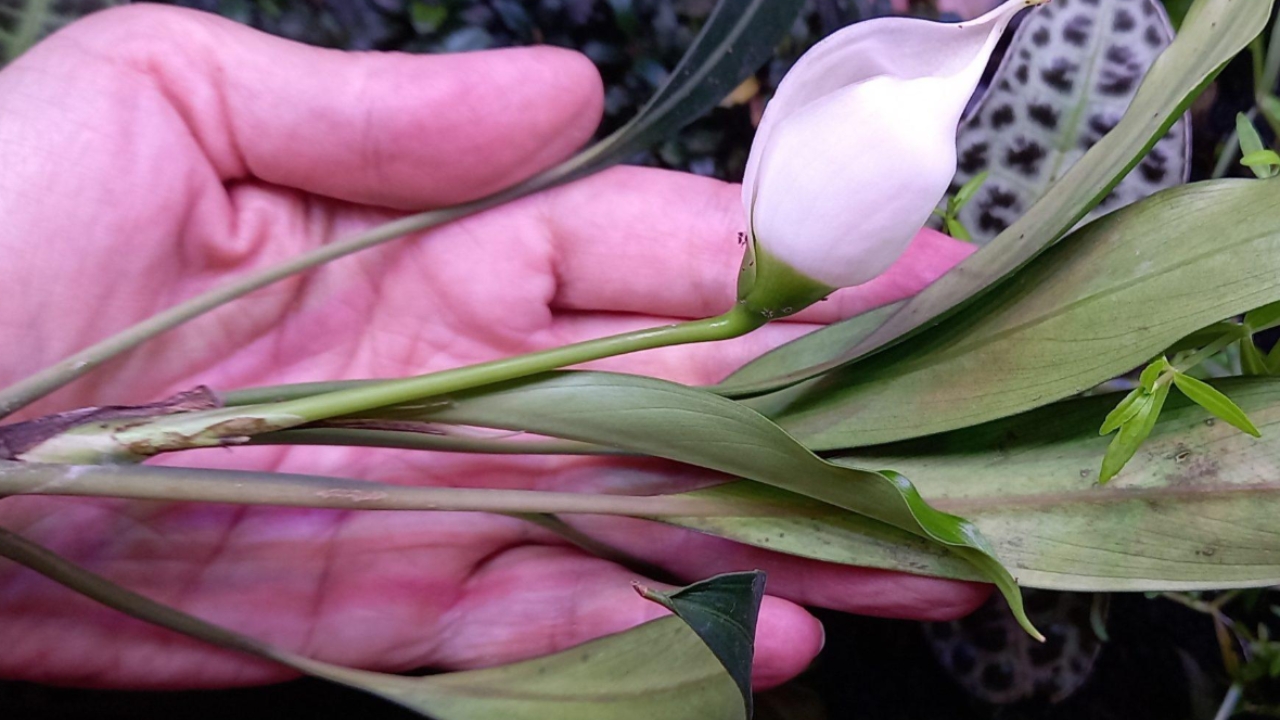
Naiadia, commonly associated with aquatic or semi-aquatic plant varieties, is a fascinating addition to water gardens, aquariums, and natural ponds. Known for its delicate structure and vibrant green foliage, this plant thrives in water-based environments and is valued for both its aesthetic appeal and ecological benefits. Whether you are a beginner hobbyist or an experienced gardener, growing Naiadia can be a rewarding experience when you understand its specific care requirements and natural habitat.
These plants are often appreciated for their ability to oxygenate water, provide shelter for aquatic life, and contribute to a balanced ecosystem. With the right approach, Naiadia can grow vigorously and enhance the beauty of any aquatic setup.
Understanding the Natural Habitat of Naiadia
To grow Naiadia successfully, it is essential to replicate its natural environment as closely as possible. Naiadia species are typically found in freshwater bodies such as ponds, lakes, and slow-moving streams. They prefer clean, nutrient-rich water and environments where sunlight can penetrate easily.
In the wild, Naiadia grows submerged or partially floating, adapting to varying water depths. This flexibility makes it suitable for both aquariums and outdoor water gardens. Understanding this natural adaptability helps gardeners create ideal conditions that encourage healthy growth and long-term sustainability.
Ideal Growing Conditions
Creating the right conditions is the foundation of successful Naiadia cultivation. These plants thrive in water temperatures ranging from 18 to 28 degrees Celsius, making them suitable for most tropical and subtropical climates. Consistent temperature levels are important, as sudden fluctuations can stress the plant.
Lighting is another crucial factor. Naiadia prefers moderate to bright light, whether natural sunlight or artificial aquarium lighting. Insufficient light can lead to weak, leggy growth, while excessive direct sunlight may cause algae problems in the water.
Water quality should be maintained carefully. Naiadia grows best in slightly alkaline to neutral pH levels, ideally between 6.5 and 7.5. Regular monitoring and occasional water changes help maintain optimal conditions and prevent the buildup of harmful substances.
Soil and Substrate Requirements
Although Naiadia is primarily aquatic, the type of substrate used can influence its growth. In aquariums or containers, a fine gravel or sandy substrate works well. This allows the plant to anchor itself while still absorbing nutrients from the water column.
In outdoor ponds, Naiadia can grow freely without needing a planted base. However, adding nutrient-rich aquatic soil can enhance growth and encourage stronger root development. The key is to avoid overly compacted substrates, which may restrict root expansion and limit nutrient absorption.
Watering and Nutrient Needs
Since Naiadia lives in water, traditional watering is not required, but maintaining proper water levels is essential. The plant should remain fully or partially submerged at all times. Evaporation in outdoor setups should be monitored, especially during hot weather, to ensure the plant does not dry out.
Nutrient availability plays a significant role in Naiadia’s health. While it can absorb nutrients directly from the water, supplementing with aquatic plant fertilizers can promote lush growth. Liquid fertilizers are particularly effective, as they disperse evenly in the water and are easily absorbed.
However, over-fertilization should be avoided, as it can lead to excessive algae growth and disrupt the aquatic ecosystem. A balanced approach ensures that Naiadia receives adequate nutrition without compromising water quality.
Propagation Techniques
One of the most appealing aspects of Naiadia is how সহজ it is to propagate. The most common method is through stem cuttings. Healthy stems can be trimmed and replanted directly into the substrate or left floating in the water, where they will eventually develop roots.
To propagate successfully, select strong, disease-free stems and cut them just below a node. Place the cuttings in a well-lit area with stable water conditions. Within a few days to weeks, new roots will begin to form, and the plant will establish itself.
Another natural propagation method occurs when fragments break off and drift in the water. These fragments can grow into new plants under favorable conditions, making Naiadia a fast-spreading species in suitable environments.
Pruning and Maintenance
Regular maintenance is important to keep Naiadia healthy and visually appealing. As the plant grows, it can become dense and may require occasional thinning. Pruning helps improve water circulation, prevent overcrowding, and encourage new growth.
Trim excess or damaged stems using clean, sharp tools to avoid introducing infections. Removing decaying plant material is also crucial, as it can affect water quality and lead to unwanted algae blooms.
In aquariums, maintaining a balance between plant growth and available space ensures that Naiadia does not overshadow other aquatic species. Routine observation helps identify any issues early and keeps the plant thriving.
Common Problems and Solutions
Like any plant, Naiadia can face a range of challenges. One of the most common issues is algae growth, which competes for nutrients and light. This is often caused by excessive light or nutrient imbalance. Adjusting lighting duration and reducing fertilizer levels can help control algae.
Yellowing leaves may indicate nutrient deficiencies, particularly a lack of essential minerals like nitrogen or iron. Adding appropriate aquatic fertilizers can restore the plant’s health.
Poor growth or wilting may result from inadequate lighting or unstable water conditions. Ensuring consistent care and monitoring environmental factors can prevent most problems before they become severe.
Pests are generally less common in aquatic setups, but occasional infestations can occur. Introducing natural predators or manually removing pests can effectively manage the situation without harming the plant.
Benefits of Growing Naiadia
Growing Naiadia offers several ecological and aesthetic advantages. In aquariums, it helps oxygenate the water, improving conditions for fish and other aquatic life. It also provides shelter and breeding grounds for small organisms, contributing to a balanced ecosystem.
In outdoor ponds, Naiadia enhances water clarity by absorbing excess nutrients that might otherwise promote algae growth. Its graceful, flowing appearance adds a natural and calming element to any water feature.
Additionally, Naiadia is relatively low-maintenance once established, making it an excellent choice for gardeners looking for an easy yet rewarding aquatic plant.
Tips for Successful Cultivation
Consistency is key when growing Naiadia. Maintaining stable water conditions, providing adequate lighting, and monitoring nutrient levels will ensure steady growth. Avoid overcrowding by regularly pruning and propagating the plant as needed.
It is also beneficial to observe how the plant responds to its environment. Small adjustments in light, temperature, or nutrients can make a significant difference in overall health.
For beginners, starting with a small number of plants and gradually expanding is a practical approach. This allows you to learn the plant’s behavior and adapt your care routine accordingly.
Conclusion
Naiadia is a versatile and attractive aquatic plant that can transform both indoor and outdoor water environments. With its easy propagation, minimal maintenance requirements, and ecological benefits, it is an excellent choice for gardeners of all skill levels.
By understanding its natural habitat and providing the right conditions, you can enjoy healthy, thriving Naiadia plants that enhance the beauty and balance of your aquatic space. With patience and consistent care, this plant can become a long-lasting and valuable part of your gardening journey.
