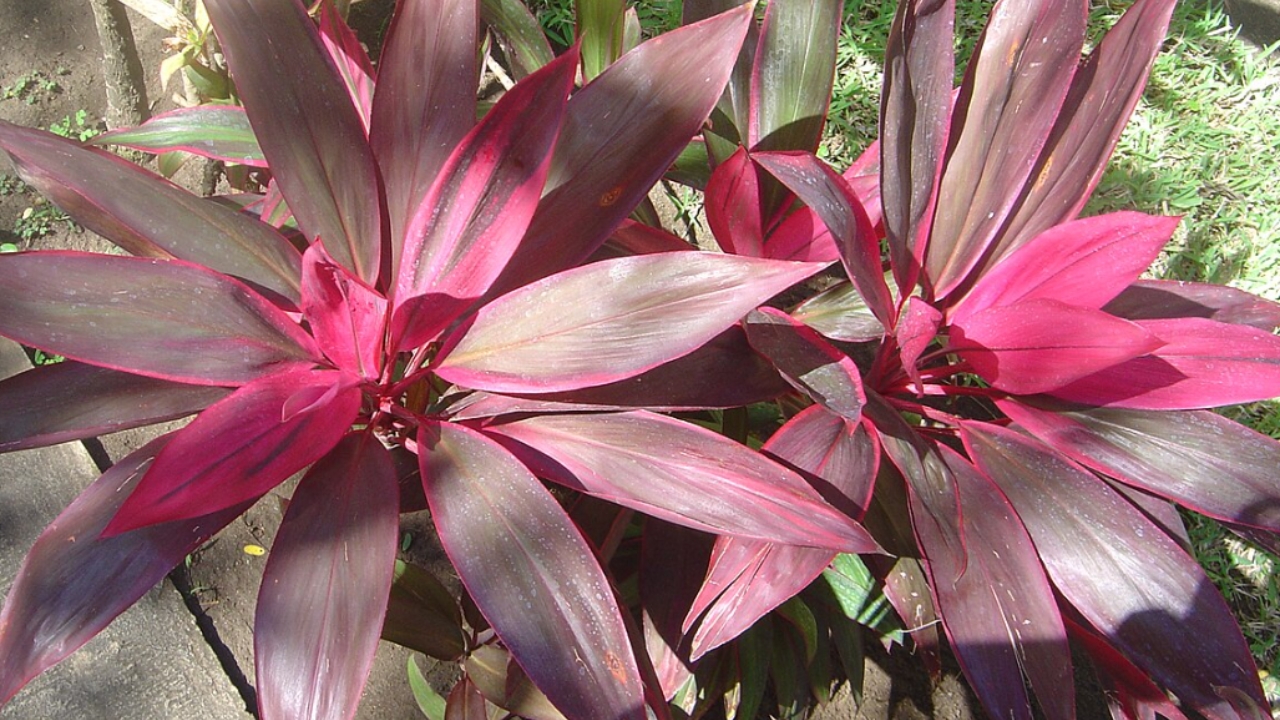
Cordyline plants are admired for their dramatic tropical foliage, colorful leaves, and architectural shape that instantly brighten indoor spaces and gardens. Whether grown as a houseplant or as part of an outdoor landscape, cordylines are surprisingly versatile and easy to maintain when their basic needs are understood. Their sword-like leaves come in shades of green, red, pink, burgundy, purple, and even striped combinations, making them a favorite among gardeners who want bold visual impact with relatively little effort.
Native to tropical regions of Southeast Asia, the Pacific Islands, Australia, and New Zealand, cordylines thrive in warm, humid conditions. Some varieties are compact and perfect for containers indoors, while others can grow into small tree-like specimens outdoors in frost-free climates. With proper care, these plants can remain healthy and vibrant for many years.
Choosing the Right Cordyline Variety
There are many different types of cordylines, each offering unique colors and growth habits. One of the most popular varieties is Cordyline fruticosa, often called the Ti plant. This variety is known for its vivid foliage in shades of pink, red, and purple and is commonly grown indoors or in tropical gardens.
Cordyline australis is another well-known species, recognized for its taller growth and palm-like appearance. It is more tolerant of cooler weather and is often used in outdoor landscapes. Compact cultivars are ideal for small apartments or tabletops, while larger varieties make excellent statement plants for patios and garden borders.
When selecting a cordyline, consider the amount of available light, indoor or outdoor growing conditions, and the mature size of the plant. Healthy specimens should have vibrant leaves, sturdy stems, and no signs of yellowing or pests.
Ideal Growing Conditions
Cordylines thrive in warm temperatures and bright environments. Most varieties prefer temperatures between 18°C and 29°C. They dislike sudden cold drafts and can suffer damage if exposed to temperatures below 10°C for extended periods.
Humidity is another important factor. Since cordylines originate from tropical climates, they appreciate moderate to high humidity levels. Indoor plants often benefit from occasional misting or placement near a humidifier, especially during dry winter months.
Good airflow is also essential. Stagnant air can encourage fungal diseases, while proper ventilation helps maintain healthy foliage. Outdoor plants should be positioned in sheltered locations where strong winds will not tear or damage the leaves.
Light Requirements
Proper lighting is one of the most important aspects of cordyline care. These plants prefer bright, indirect light for the best leaf color and healthy growth. Varieties with colorful foliage usually need more light to maintain their vibrant shades.
Indoor cordylines grow well near east-facing or south-facing windows where they receive filtered sunlight throughout the day. Direct harsh afternoon sun can scorch the leaves, especially in hot climates, so protection from intense rays is important.
Outdoor cordylines can tolerate partial sun, but excessive exposure may fade or burn delicate foliage. If leaves begin losing their color or becoming pale, the plant may need more light. Conversely, brown patches or crispy edges can indicate too much direct sunlight.
Best Soil for Cordyline Plants
Cordylines prefer loose, fertile, and well-draining soil. A rich potting mix containing peat moss, compost, coco coir, or perlite works very well for container-grown plants. Good drainage is critical because waterlogged soil can quickly lead to root rot.
For outdoor planting, amend heavy clay soil with organic matter to improve drainage and aeration. Slightly acidic to neutral soil with a pH between 6.0 and 6.5 is ideal.
Using containers with drainage holes helps prevent excess water accumulation. Repotting every two or three years refreshes the soil and gives expanding roots more room to grow.
Watering Cordyline Properly
Consistent watering is important for healthy cordyline growth, but overwatering is one of the most common mistakes. The soil should remain lightly moist but never soggy.
During active growth in spring and summer, water the plant whenever the top inch of soil feels dry. Indoor plants usually need watering once or twice a week depending on humidity and temperature. Outdoor plants may require more frequent watering during hot weather.
In winter, reduce watering because growth slows significantly. Allowing the soil to dry slightly between waterings helps prevent fungal problems and root damage.
Brown leaf tips often indicate underwatering or low humidity, while yellowing leaves may suggest excessive moisture around the roots.
Fertilizing for Healthy Foliage
Cordylines benefit from regular feeding during the growing season. A balanced liquid fertilizer applied every four to six weeks in spring and summer supports lush foliage and vibrant coloration.
Avoid excessive fertilizer because too much can burn the roots and damage the leaves. Slow-release fertilizers are also effective for outdoor specimens and provide nutrients over a longer period.
Plants grown in nutrient-poor soil may develop pale leaves or slower growth. Adding compost or organic matter can naturally improve soil fertility and support healthier development.
Fertilizing should generally be reduced or stopped during winter when the plant enters a slower growth phase.
Pruning and Maintenance
Cordylines require minimal pruning, but occasional maintenance keeps them attractive and healthy. Remove dead, damaged, or yellowing leaves regularly to encourage fresh growth and improve airflow around the plant.
Tall or leggy plants can be cut back to promote branching and a fuller appearance. New shoots often emerge from the stem after pruning. Sterilized pruning tools help prevent the spread of disease.
Outdoor cordylines may occasionally lose lower leaves naturally as they mature, creating a trunk-like appearance. This is normal and part of the plant’s growth habit.
Cleaning the leaves with a damp cloth also helps remove dust and improves the plant’s ability to absorb light indoors.
Propagating Cordyline Plants
Cordylines can be propagated through stem cuttings, division, or seeds, although stem cuttings are the easiest and fastest method for most gardeners.
To propagate from cuttings, select a healthy stem and cut a section several inches long. Place the cutting in moist potting mix or water until roots develop. Warm temperatures and humidity improve success rates.
Division works well for mature plants producing multiple stems or offsets. Carefully separate the root sections and replant them individually.
Seed propagation is slower and less common but may be useful for certain species. Fresh seeds typically germinate best in warm, moist conditions.
Common Problems and Solutions
Although cordylines are relatively hardy, they can experience a few common issues. Brown leaf tips are frequently caused by low humidity, inconsistent watering, fluoride in tap water, or excessive fertilizer buildup. Using filtered water and maintaining stable moisture levels often solves the problem.
Yellow leaves usually indicate overwatering or poor drainage. If root rot develops, affected roots should be removed and the plant repotted into fresh, well-draining soil.
Pests such as spider mites, mealybugs, aphids, and scale insects may occasionally appear, especially on indoor plants. Regular inspections help detect infestations early. Neem oil or insecticidal soap can effectively control most common pests.
Leaf discoloration may also occur if the plant receives too little light. Moving the plant to a brighter location often restores vibrant foliage color.
Growing Cordyline Indoors
Cordylines make excellent indoor plants because of their striking appearance and manageable care requirements. Bright indirect light, moderate watering, and stable temperatures are key to indoor success.
Avoid placing indoor cordylines near heating vents, air conditioners, or cold windows during winter. Sudden temperature fluctuations can stress the plant and damage the leaves.
Humidity trays, occasional misting, and grouping plants together can help maintain the tropical conditions cordylines prefer indoors.
Smaller varieties work beautifully on shelves, desks, or corners that need a colorful focal point. Larger specimens can become impressive statement plants in living rooms or entryways.
Growing Cordyline Outdoors
In warm climates, cordylines thrive outdoors year-round and add a tropical feel to gardens and patios. They are often planted as accent plants, borders, or container features around outdoor living spaces.
Outdoor cordylines perform best in partially shaded locations with protection from intense midday sun and strong winds. Mulching around the base helps retain soil moisture and regulate temperature.
In cooler climates, container-grown plants can be moved indoors before frost arrives. Frost damage can cause leaf burn or severe injury to tropical varieties.
Established outdoor plants are generally more drought-tolerant than young specimens, but regular watering during dry periods keeps foliage healthy and vibrant.
Conclusion
Cordylines are rewarding plants that combine bold tropical beauty with relatively simple care requirements. Their colorful foliage, adaptability, and elegant structure make them suitable for both beginners and experienced gardeners.
By providing bright indirect light, well-draining soil, moderate watering, and occasional feeding, cordylines can thrive indoors or outdoors for many years. Regular maintenance and attention to environmental conditions help prevent common problems and encourage lush, vibrant growth.
Whether used as a striking indoor centerpiece or a dramatic outdoor accent, cordylines bring color, texture, and tropical charm to nearly any space.
