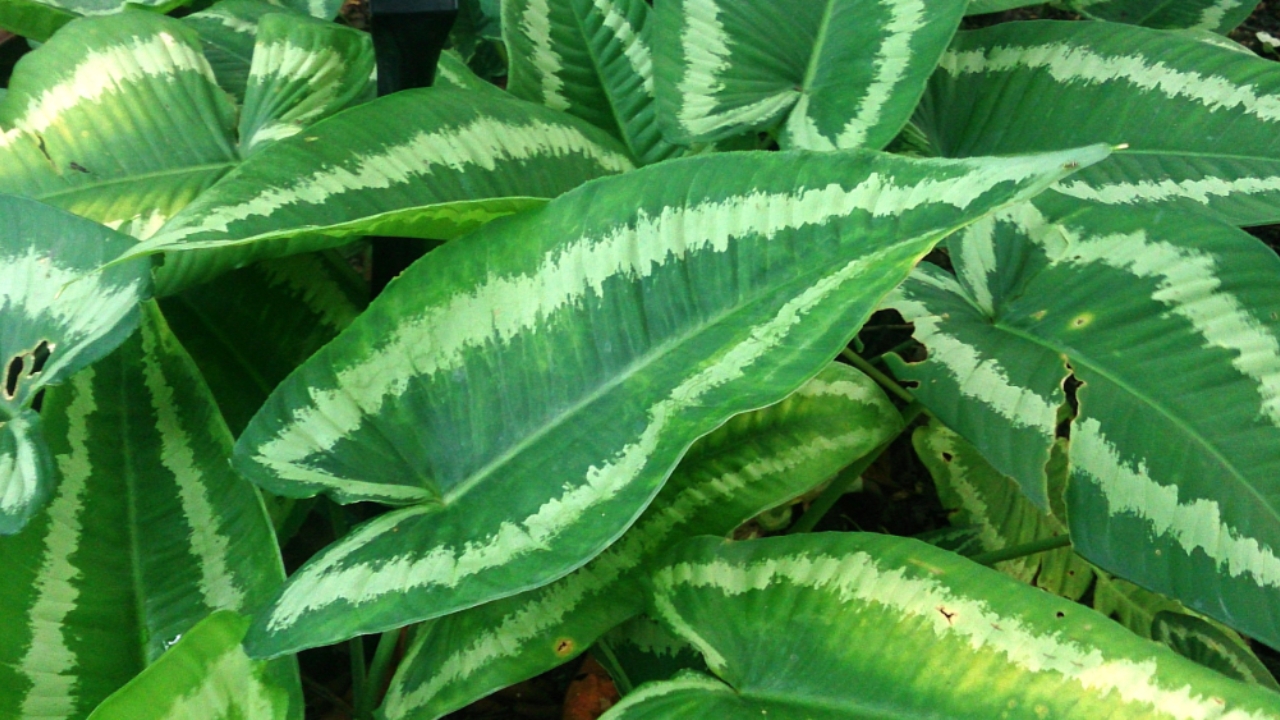
Schismatoglottideae is a fascinating group within the Araceae family, admired for its exotic foliage, tropical appearance, and adaptability to indoor and outdoor growing conditions. These plants are especially popular among collectors who appreciate unusual leaf textures, striking vein patterns, and compact growth habits. Native to humid tropical forests across Southeast Asia, members of this group thrive in shaded environments with warm temperatures and high humidity.
Although Schismatoglottideae plants may appear delicate, they can be surprisingly manageable once their natural habitat is understood. Their growth depends heavily on moisture balance, indirect light, airflow, and a nutrient-rich growing medium. Whether cultivated as indoor ornamental plants, greenhouse specimens, or tropical garden accents, they reward growers with lush foliage and steady growth when provided with proper care.
This guide covers everything needed to successfully grow Schismatoglottideae, including lighting, watering, soil selection, humidity management, feeding routines, propagation methods, pest prevention, and long-term cultivation strategies.
Understanding Schismatoglottideae Plants
Schismatoglottideae includes several genera of tropical aroids known for decorative foliage and compact forms. These plants naturally grow beneath dense rainforest canopies where filtered light, high humidity, and consistently moist soil create ideal conditions for healthy development.
Most species produce broad, textured leaves with unique coloration ranging from deep green to silver, metallic, or variegated patterns. Their stems often grow close to the ground, forming clumps or creeping rhizomes that spread gradually over time.
Because these plants evolved in stable tropical climates, they prefer environments that avoid sudden temperature fluctuations, direct sun exposure, and prolonged dryness. Their sensitivity to environmental stress makes consistency the key to successful cultivation.
Ideal Growing Conditions
Creating suitable growing conditions is the most important step in maintaining healthy Schismatoglottideae plants. Mimicking their rainforest habitat helps reduce stress and encourages vigorous foliage production.
Bright, indirect light is ideal for most species. Direct afternoon sun can scorch the leaves, while extremely low light may slow growth and dull leaf coloration. East-facing windows, shaded patios, or filtered greenhouse lighting work particularly well. If grown indoors under artificial lighting, full-spectrum grow lights positioned at a moderate distance can support steady growth.
Warm temperatures between 20°C and 30°C are generally preferred. These tropical plants dislike cold conditions and may suffer if temperatures fall below 15°C for extended periods. Consistent warmth encourages stronger roots and healthier foliage.
Humidity is equally important. Levels above 60% are ideal, especially for species with thinner or more delicate leaves. Dry air often causes crispy leaf edges, curling, or slowed growth. Humidifiers, pebble trays, misting, and grouping plants together can help maintain appropriate moisture levels in the surrounding air.
Air circulation should not be overlooked. While these plants enjoy humidity, stagnant air can increase the risk of fungal problems. Gentle airflow helps maintain healthy foliage without drying the plant excessively.
Choosing the Right Soil
Schismatoglottideae plants require a loose, airy, moisture-retentive soil mix that drains efficiently while still holding enough water for the roots.
A high-quality tropical aroid mix typically performs best. Combining coco peat, orchid bark, perlite, compost, and a small amount of charcoal creates an ideal balance between moisture retention and aeration. Heavy garden soil should be avoided because it compacts easily and increases the risk of root rot.
Good drainage is essential. Pots must contain drainage holes so excess water can escape freely. Containers made from terracotta dry faster and improve airflow around the roots, while plastic pots retain moisture longer and may work better in dry climates.
Repotting every one to two years helps refresh nutrients and prevent overcrowded roots. During repotting, damaged or rotting roots should be removed with sterile tools before placing the plant into fresh soil.
Watering Requirements
Proper watering is one of the most critical aspects of Schismatoglottideae care. These plants enjoy evenly moist soil but dislike waterlogged conditions.
The top layer of soil should be allowed to dry slightly before watering again. Completely dry soil can stress the plant, while constant saturation may suffocate roots and encourage fungal infections.
Watering frequency depends on temperature, humidity, pot size, and seasonal growth patterns. During warmer months, plants typically require more frequent watering because evaporation and active growth increase moisture demand. In cooler periods, watering should be reduced to avoid overwatering.
Using room-temperature water is preferable, as extremely cold water may shock tropical roots. Rainwater or filtered water can also help prevent mineral buildup on sensitive foliage.
Signs of overwatering include yellowing leaves, mushy stems, and foul-smelling soil. Underwatered plants may develop drooping leaves, dry edges, or stunted growth. Monitoring the plant closely allows growers to adjust watering habits before serious damage occurs.
Fertilizing for Healthy Growth
Schismatoglottideae plants benefit from regular feeding during active growth periods. Balanced nutrition supports stronger foliage, root development, and vibrant coloration.
A diluted balanced liquid fertilizer applied every two to four weeks during spring and summer generally provides excellent results. Slow-release fertilizers can also work effectively when used according to package recommendations.
Overfertilizing should be avoided because excessive salts may burn roots and damage leaves. Flushing the soil occasionally with clean water helps prevent nutrient accumulation.
During cooler months or periods of slower growth, feeding can be reduced or temporarily stopped. Plants naturally require fewer nutrients when growth activity decreases.
Organic options such as compost tea, seaweed extract, or worm castings can provide gentle nutrition while improving overall soil health.
Propagation Methods
Propagating Schismatoglottideae plants is relatively straightforward and allows growers to expand their collection or share plants with others.
Division is the most common propagation method. Mature plants often develop clumps or side shoots that can be separated during repotting. Each division should contain healthy roots and at least one growing point to ensure successful establishment.
After separation, the new divisions should be planted into fresh, moist soil and kept in warm, humid conditions while recovering. Avoid placing newly divided plants in strong light until they begin producing fresh growth.
Some creeping species can also be propagated through stem or rhizome cuttings. Sections containing nodes can be placed in moist sphagnum moss or airy propagation media until roots develop.
Maintaining high humidity during propagation greatly improves success rates. Covering cuttings loosely with a clear plastic dome or placing them inside a propagation box can help retain moisture while encouraging root formation.
Common Problems and Solutions
Like many tropical plants, Schismatoglottideae species can encounter several common growing issues if environmental conditions become unsuitable.
Yellow leaves are often associated with overwatering, poor drainage, or insufficient light. Checking soil moisture and improving drainage usually resolves the issue.
Brown leaf edges frequently indicate low humidity or inconsistent watering. Increasing air moisture and maintaining stable soil hydration can help restore healthy growth.
Pests such as spider mites, mealybugs, aphids, and fungus gnats occasionally affect indoor plants. Regular inspection of leaves and stems helps identify infestations early. Neem oil, insecticidal soap, and proper airflow are effective preventative measures.
Root rot remains one of the most serious threats. This condition usually develops when soil remains wet for extended periods without adequate oxygen around the roots. Fast-draining soil and careful watering practices are essential for prevention.
Fungal spotting may appear in environments with excessive moisture and poor ventilation. Removing affected leaves and improving airflow typically reduces further spread.
Indoor vs Outdoor Cultivation
Schismatoglottideae plants adapt well to indoor cultivation when humidity and lighting are properly managed. Their compact growth and ornamental foliage make them excellent choices for homes, offices, and terrariums.
Indoor plants often benefit from placement near bright windows with filtered light. Bathrooms and kitchens can be particularly suitable because naturally higher humidity supports healthier foliage.
Outdoor cultivation works best in tropical or subtropical climates where temperatures remain consistently warm. These plants perform beautifully in shaded garden beds, beneath trees, or within protected patios.
Outdoor growers should protect plants from intense sun, heavy winds, and cold weather. Mulching around the base helps retain soil moisture and regulate root temperatures.
Container-grown outdoor specimens can be moved indoors during colder seasons if necessary.
Long-Term Care and Maintenance
Maintaining Schismatoglottideae plants over the long term involves regular observation and seasonal adjustments. Healthy plants respond well to stable care routines and gradual environmental changes.
Cleaning leaves occasionally helps remove dust and improves photosynthesis. A soft damp cloth can gently wipe foliage without damaging delicate surfaces.
Pruning dead or damaged leaves encourages cleaner growth and reduces the risk of disease. Sterilized pruning tools should always be used to prevent spreading pathogens.
As plants mature, dividing overcrowded clumps rejuvenates growth and prevents root congestion. Repotting into fresh soil also replenishes nutrients and improves root health.
Monitoring humidity, watering patterns, and lighting throughout the year allows growers to adapt care as seasonal conditions change.
Conclusion
Growing Schismatoglottideae plants successfully requires understanding their tropical rainforest origins and recreating those conditions as closely as possible. With warm temperatures, filtered light, high humidity, airy soil, and careful watering, these remarkable plants can thrive for many years.
Their unique foliage, manageable size, and exotic appearance make them highly rewarding additions to indoor collections and tropical gardens alike. By maintaining consistent care routines and addressing issues early, growers can enjoy vigorous growth, healthy roots, and striking ornamental beauty throughout every season.
Whether you are an experienced aroid collector or a beginner exploring tropical houseplants for the first time, Schismatoglottideae offers a rewarding and visually captivating growing experience.
