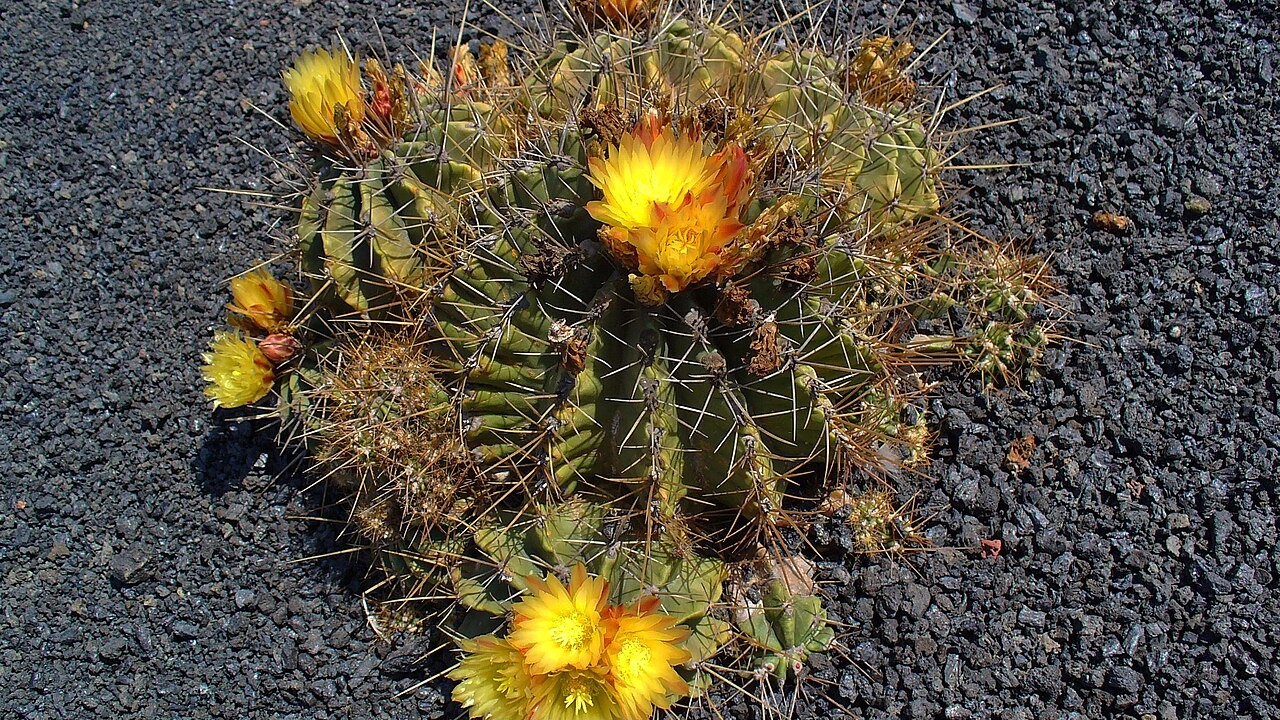
Ferocactus, commonly known as barrel cactus, is one of the most recognizable desert plants grown by succulent enthusiasts and indoor gardeners. Native to arid regions of Mexico and the southwestern United States, these cacti are admired for their rounded barrel-like shape, dramatic spines, and impressive resilience. The name “Ferocactus” comes from the Latin word “ferox,” meaning fierce, which perfectly describes the plant’s strong and often colorful spines.
Barrel cacti are slow-growing but highly rewarding plants that can thrive for decades when cared for properly. Their sculptural appearance makes them ideal for modern interiors, desert-themed gardens, patios, balconies, and sunny windowsills. Some mature specimens even produce vibrant flowers in shades of yellow, orange, red, or pink during the warmer months.
Growing Ferocactus successfully at home is relatively simple once you understand its natural habitat and basic needs. Like most desert cacti, it prefers bright sunlight, minimal watering, and fast-draining soil. Overwatering and poor drainage are the most common causes of failure, especially for beginners.
Choosing the Right Ferocactus Variety
There are many species within the Ferocactus genus, and each offers unique characteristics. Some remain compact and manageable for indoor growing, while others become large landscape specimens over time.
Ferocactus latispinus is popular for its broad, flattened reddish spines and relatively smaller size. Ferocactus glaucescens features a beautiful blue-green body with golden spines, making it a favorite among collectors. Ferocactus wislizeni, also called the fishhook barrel cactus, grows larger and develops curved spines that create a dramatic appearance.
When selecting a plant, look for one with firm flesh, healthy coloration, and no signs of rot or pest damage. Avoid cacti with soft spots, blackened areas, or shriveled stems. Smaller plants adapt more easily to indoor conditions and are often better choices for beginners.
Ideal Light Conditions for Healthy Growth
Light is one of the most important factors in growing a healthy barrel cactus. Ferocactus thrives in bright direct sunlight and requires several hours of strong light daily to maintain its compact shape and vibrant color.
Outdoor plants grow best in full sun locations where they receive at least six to eight hours of sunlight each day. Indoors, place the cactus near a south-facing or west-facing window where sunlight is strongest. If natural light is limited, supplemental grow lights can help maintain healthy growth.
Insufficient light causes stretching, weak growth, and pale coloration. A barrel cactus that begins leaning toward a light source or developing elongated sections is usually not receiving enough sun.
When moving a cactus outdoors after winter, acclimate it gradually to prevent sunburn. Sudden exposure to intense sunlight can damage the skin, leaving white or brown scars.
Best Soil for Ferocactus Plants
Proper soil is essential because Ferocactus roots are highly sensitive to excess moisture. The ideal soil should drain quickly while still allowing some airflow around the roots.
Commercial cactus or succulent potting mixes work well for most growers. However, improving drainage by adding coarse sand, pumice, perlite, or small gravel creates even better conditions. A gritty mix prevents water from sitting around the roots, reducing the risk of root rot.
Heavy garden soil or regular indoor potting soil is usually too dense for barrel cacti. These soils retain too much moisture and can quickly lead to fungal issues and plant decline.
If planting outdoors, choose sandy or rocky soil in a raised area where water drains easily after rain.
How Often to Water Barrel Cactus
Watering is the area where most people make mistakes with Ferocactus. These desert plants are adapted to long dry periods and store water inside their thick stems.
During spring and summer, water thoroughly only when the soil has dried out completely. Deep watering encourages healthier root development than frequent shallow watering. Depending on climate and temperature, this may mean watering every two to four weeks.
In fall and winter, reduce watering significantly. During the dormant season, the cactus requires very little moisture, especially indoors. Some growers water only once every six to eight weeks during winter.
Always allow excess water to drain fully from the pot. Never let the plant sit in standing water, as this can quickly cause root rot.
Wrinkling may indicate dehydration, but soft or mushy tissue is usually a sign of overwatering. Learning the difference is important for maintaining plant health.
Temperature and Humidity Requirements
Ferocactus enjoys warm temperatures and dry air. It performs best in temperatures between 65°F and 90°F during active growth periods.
Most species tolerate heat exceptionally well, making them ideal for sunny outdoor patios and desert-style landscapes. However, prolonged exposure to freezing temperatures can damage or kill the plant.
Indoor growers should protect barrel cacti from cold drafts, air conditioners, and damp conditions. While some mature species can tolerate brief light frost, container-grown plants are more vulnerable and should generally be kept above 40°F.
Humidity is rarely beneficial for Ferocactus. High humidity combined with poor airflow increases the risk of fungal disease. Dry indoor air is usually perfectly suitable for these cacti.
Choosing the Right Pot and Container
The container you choose plays a major role in successful cactus care. Clay or terracotta pots are often preferred because they allow excess moisture to evaporate more quickly than plastic containers.
Always use a pot with drainage holes. A decorative container without drainage can trap water and eventually lead to root problems.
Choose a pot that is only slightly larger than the cactus root system. Oversized containers hold excess moisture for longer periods, increasing the risk of rot.
For larger specimens, heavier pots provide stability and help prevent tipping, especially for top-heavy barrel cacti with dense spines.
Fertilizing Ferocactus Properly
Barrel cacti do not require heavy feeding, but occasional fertilizer can encourage healthier growth and flowering.
During spring and summer, apply a diluted cactus fertilizer once every four to six weeks. Use a balanced or low-nitrogen fertilizer specifically designed for succulents and cacti. Excess nitrogen can cause weak, unnatural growth.
Avoid fertilizing during winter dormancy. Feeding the plant when it is not actively growing can stress the roots and interfere with its natural resting cycle.
Overfertilization often results in overly soft tissue that becomes more susceptible to disease and damage.
Repotting a Barrel Cactus Safely
Ferocactus grows slowly and usually needs repotting only every two to four years. Repotting becomes necessary when the roots outgrow the container or the soil breaks down and loses drainage quality.
Because of the sharp spines, handling barrel cacti requires caution. Thick gloves, folded newspaper, or foam padding can help protect your hands while moving the plant.
Allow the cactus to remain dry for several days before repotting. Dry roots are less fragile and easier to handle. After repotting, wait about a week before watering to allow any damaged roots to heal.
Fresh soil improves drainage and provides a healthier growing environment for long-term development.
Common Problems and How to Prevent Them
The most common issue affecting Ferocactus is root rot caused by overwatering. Early signs include yellowing, softness, and an unpleasant odor near the base of the plant. Immediate action, including drying the roots and replacing wet soil, may save the cactus if caught early.
Pests such as mealybugs, spider mites, and scale insects occasionally appear, especially on indoor plants. Inspect the cactus regularly and treat infestations promptly using insecticidal soap, neem oil, or rubbing alcohol applied carefully with a cotton swab.
Sunburn can occur if a plant is moved suddenly from shade to intense sunlight. White or tan scars may develop on the surface. Gradual acclimation helps prevent this problem.
Poor airflow and excess humidity may encourage fungal growth. Keeping the plant in a well-ventilated area greatly reduces disease risk.
Encouraging Flowers on Barrel Cactus
Flowering is one of the most rewarding aspects of growing Ferocactus, although patience is required. Many species bloom only after reaching maturity, which can take several years.
Providing sufficient sunlight is essential for flower production. Mature plants grown outdoors in full sun are more likely to bloom than those kept in low indoor light.
A cool, dry winter resting period also encourages flowering during the following growing season. Reducing water and avoiding fertilizer in winter helps simulate the plant’s natural desert cycle.
Healthy mature barrel cacti often produce colorful blooms around the crown during spring or summer, creating a striking contrast against their spiny bodies.
Growing Ferocactus Outdoors and Indoors
Ferocactus adapts well to both indoor and outdoor environments when its basic needs are met. Outdoor cultivation is easiest in warm, dry climates with minimal frost. In rock gardens and xeriscapes, barrel cacti pair beautifully with agaves, aloes, and other drought-tolerant plants.
Indoor growers should focus primarily on maximizing sunlight and avoiding excess moisture. A bright window, proper soil, and careful watering routine are usually enough to keep the plant thriving.
Rotating the pot occasionally helps maintain balanced growth and prevents leaning. During warmer months, indoor plants can benefit from time outdoors in a sunny protected area.
Final Thoughts on Ferocactus Care
Ferocactus is an excellent choice for gardeners seeking a low-maintenance yet visually striking plant. Its bold form, impressive spines, and long lifespan make it a standout addition to any cactus collection or desert-inspired space.
Success with barrel cactus comes down to understanding its desert origins. Bright sunlight, excellent drainage, minimal watering, and warm conditions create the ideal environment for healthy growth. With proper care and patience, Ferocactus can thrive for decades, becoming even more beautiful as it matures.
