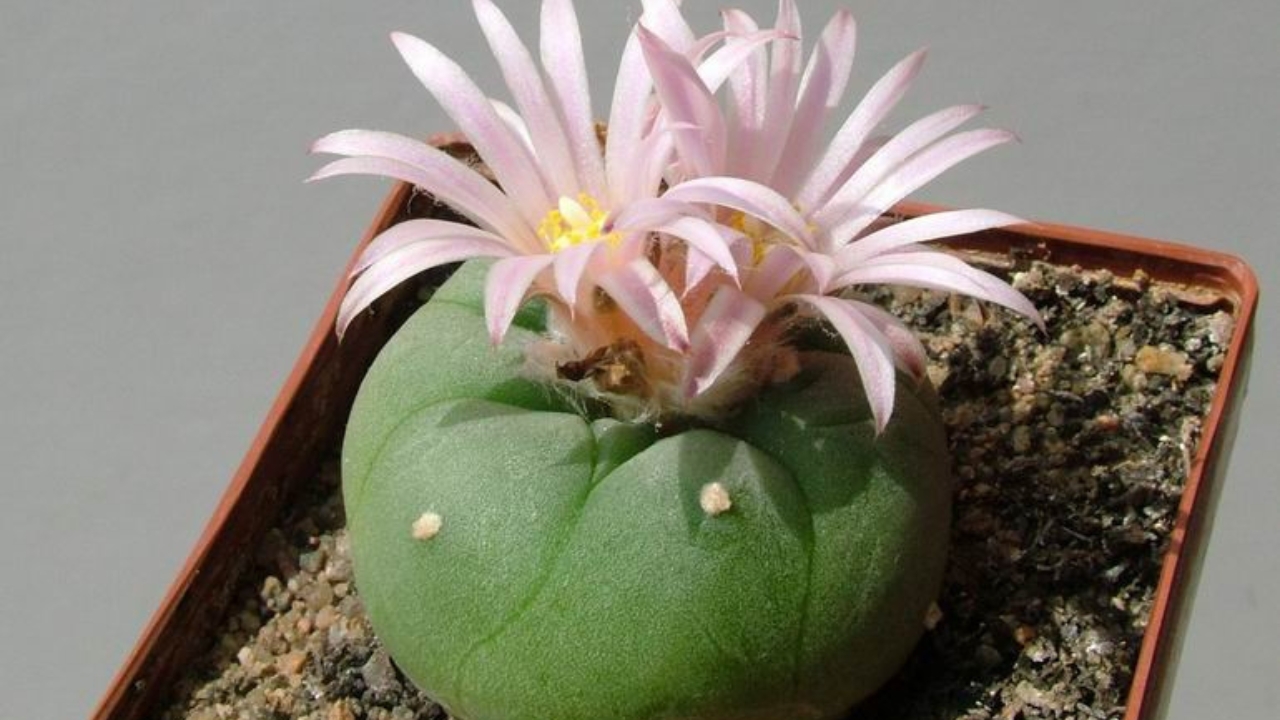
Lophophora is one of the most fascinating cactus genera in the world of rare and slow-growing succulents. Native to the arid regions of northern Mexico and parts of the southern United States, these compact spineless cacti are admired for their unusual appearance, remarkable resilience, and cultural significance. The genus is best known for Lophophora williamsii, commonly referred to as peyote, though several related species and varieties also attract collectors and botanical enthusiasts.
Unlike many desert cacti covered in sharp spines, Lophophora species have soft, rounded bodies with subtle ribbing and a smooth texture. Their understated beauty and extremely slow growth rate make them highly valued among cactus growers. These plants are often cultivated not only for ornamental purposes but also for conservation and botanical study.
Understanding the proper cultivation methods, care requirements, and identification features is essential for anyone interested in growing these rare cacti responsibly. With the right environment and patience, Lophophora can thrive for decades and become a prized part of a succulent collection.
Origins and Natural Habitat
Lophophora cacti naturally grow in dry limestone-rich deserts and rocky scrublands. Their habitat is characterized by intense sunlight, warm temperatures, sparse rainfall, and mineral-heavy soils with excellent drainage. In the wild, these cacti are often partially buried beneath gravel or protected by shrubs that provide occasional shade.
The harsh desert environment has shaped the unique appearance and survival mechanisms of the genus. Their flattened spherical bodies help conserve water, while deep taproots store moisture during prolonged droughts. Because rainfall in their native habitat can be unpredictable, Lophophora species have evolved to survive extended dry periods with minimal water.
Overharvesting and habitat destruction have reduced wild populations in several areas, making conservation increasingly important. Ethical cultivation from nursery-grown plants or seeds is strongly encouraged to protect natural populations.
Physical Characteristics and Identification
Lophophora cacti are relatively easy to distinguish from other desert cacti due to their smooth, spineless appearance. Mature plants typically develop rounded or slightly flattened bodies divided into soft ribs or segments. The color ranges from blue-green to gray-green depending on species, age, and growing conditions.
One of the most recognizable features is the presence of woolly tufts called areoles. These fuzzy patches appear along the ribs and produce flowers instead of spines. During the blooming season, Lophophora produces delicate flowers that are usually pink, white, or pale yellow. The flowers emerge from the crown and are often surprisingly large compared to the size of the plant.
The taproot is another defining characteristic. Healthy plants possess a thick underground root system that stores water and nutrients. This adaptation allows the cactus to survive prolonged drought and contributes to its slow but steady growth.
Several species and varieties exist within the genus, though identifying them precisely can sometimes be challenging because environmental conditions may influence shape and coloration.
Popular Species of Lophophora
Lophophora williamsii is the most widely known species and is recognized for its rounded blue-green body and soft rib structure. It is often solitary when young but may form clusters as it matures.
Lophophora diffusa differs slightly in shape and coloration, often appearing more yellow-green with less defined ribs. This species also tends to produce cream-colored flowers rather than pink blooms.
Some collectors cultivate regional varieties and hybrids that display subtle differences in size, flowering habits, or rib patterns. Because of the plant’s slow development, mature specimens with distinct characteristics can become highly prized among enthusiasts.
Ideal Growing Conditions
Creating the right environment is the key to successful Lophophora cultivation. These cacti prefer bright light but may benefit from some protection during extremely hot summer afternoons. In cultivation, filtered sunlight or partial shade often produces healthier growth and more natural coloration.
Temperature plays a major role in their development. Warm conditions between 20°C and 35°C are ideal during the active growing season. During winter dormancy, cooler temperatures combined with dry soil help prevent rot and encourage healthy growth cycles.
Air circulation is equally important. Stagnant humid environments can increase the risk of fungal infections and root problems. A dry, well-ventilated growing area closely mimics the cactus’s natural habitat and improves overall health.
Soil Requirements
Proper soil composition is one of the most important factors in Lophophora care. Standard potting mixes retain too much moisture and can quickly lead to root rot. Instead, growers typically use highly mineral-based cactus soil with exceptional drainage.
An effective mix often includes pumice, coarse sand, lava rock, limestone gravel, and a small amount of organic material. The goal is to create a loose substrate that dries rapidly after watering while still allowing roots to absorb nutrients.
Containers should also provide excellent drainage. Clay pots are commonly preferred because they allow moisture to evaporate more efficiently than plastic containers.
Watering Techniques
Watering should always be approached carefully with Lophophora cacti. Overwatering is the most common cause of plant failure. During the active growing season in spring and summer, watering should only occur when the soil has completely dried out.
A deep but infrequent watering schedule works best. The soil should be thoroughly soaked and then allowed to dry entirely before watering again. Depending on climate conditions, this may mean watering every two to four weeks.
During winter dormancy, watering should be drastically reduced or stopped altogether. Cool and wet conditions can rapidly cause root rot, especially in slow-growing species like Lophophora.
Wrinkling or slight softness may indicate dehydration, while yellowing or mushy tissue often signals excessive moisture.
Fertilization and Growth Rate
Lophophora cacti are extremely slow growers. Seedlings may take several years to reach even a few centimeters in diameter, while mature specimens can require decades to fully develop.
Because of their slow growth, fertilization should remain minimal. A diluted low-nitrogen cactus fertilizer can be applied occasionally during the growing season, usually once or twice a year. Excess fertilizer may lead to unnatural growth or weakened tissue.
Patience is essential when cultivating these plants. Their gradual development is part of their appeal and contributes to the unique character of mature specimens.
Propagation Methods
Lophophora can be propagated from seeds or offsets. Seed propagation is the most common and preferred method among growers because it preserves natural growth patterns and genetic diversity.
Fresh seeds germinate best in warm, humid conditions with indirect light. Seedlings are delicate during the first year and require careful moisture control to avoid fungal problems.
Some mature plants produce small offsets around the base that can be separated and rooted individually. However, many growers prefer allowing clusters to develop naturally for aesthetic reasons.
Grafting is another technique sometimes used to accelerate growth. In this process, a Lophophora scion is attached to a faster-growing cactus rootstock. While grafting can significantly increase growth speed, many collectors still favor own-root specimens because they maintain a more natural appearance.
Common Problems and Pests
Although relatively hardy, Lophophora cacti can encounter several cultivation issues. Root rot remains the most serious threat and usually results from excessive watering or poor drainage.
Mealybugs and spider mites are among the most common pests affecting cultivated plants. Regular inspection helps detect infestations early before serious damage occurs. Maintaining clean growing conditions and proper airflow significantly reduces pest problems.
Sunburn can also occur if plants are suddenly exposed to intense direct sunlight. Discolored patches or scarred tissue may develop when lighting changes too abruptly.
Healthy cultivation practices, including moderate watering and appropriate soil selection, are the best defenses against most issues.
Cultural and Historical Significance
Lophophora species have a long cultural history among Indigenous communities of North America, particularly in spiritual and ceremonial contexts. For centuries, peyote has been used in traditional religious practices by certain Native groups.
Because of its historical and ethnobotanical importance, the cactus occupies a unique place in both cultural and botanical studies. However, legal regulations surrounding cultivation and possession vary greatly between countries and regions. Anyone interested in growing or studying these plants should always research local laws carefully before obtaining specimens.
Conservation awareness is also increasingly important due to habitat loss and illegal harvesting pressures on wild populations.
Conclusion
Lophophora cacti are remarkable plants that combine beauty, resilience, and historical significance in a compact form. Their smooth spineless bodies, delicate flowers, and slow growth make them unlike most other desert cacti. Although they require patience and careful cultivation, the rewards of successfully growing these rare plants are considerable.
Providing proper soil, cautious watering, adequate light, and seasonal dormancy are the foundations of healthy Lophophora care. Whether cultivated for botanical interest, conservation, or ornamental appreciation, these cacti deserve thoughtful and responsible treatment.
For collectors willing to invest time and attention, Lophophora can become a long-lived and deeply rewarding addition to any cactus collection.
