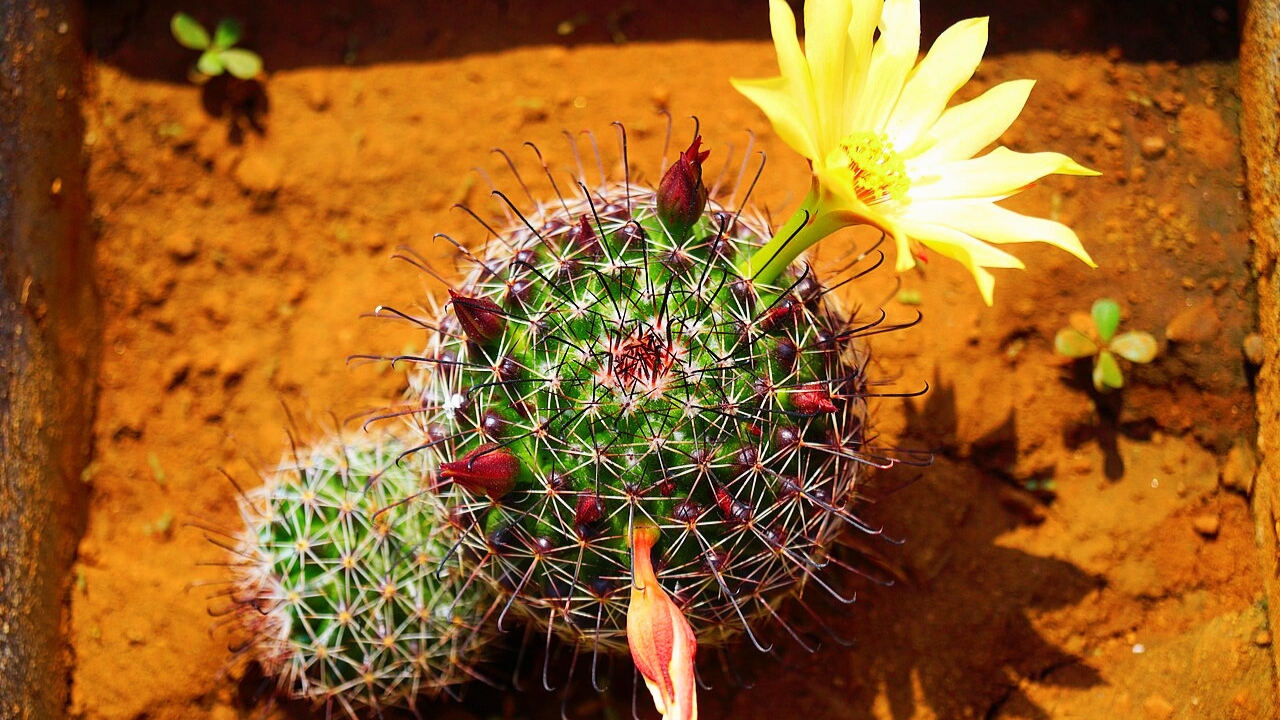
Mammillaria is one of the most popular and diverse cactus genera in the world, loved by collectors and beginner gardeners alike for its compact shape, unique textures, and colorful blooms. Native primarily to Mexico and parts of the southwestern United States, Mammillaria species thrive in dry desert climates and have adapted beautifully to indoor cultivation. With more than 200 recognized species, these cacti vary widely in size, spine patterns, and flowering habits, making them an exciting choice for succulent enthusiasts.
Unlike many columnar cacti, Mammillaria plants are usually round or short cylindrical in shape. Their name comes from the Latin word “mammilla,” meaning nipple or teat, referring to the small tubercles that cover the plant surface instead of traditional cactus ribs. These tubercles often grow in spirals and may produce soft white fuzz, sharp spines, or woolly clusters depending on the species.
One of the most charming characteristics of Mammillaria cacti is their flowering pattern. Many species produce a circular crown of flowers around the top of the plant, creating a halo-like effect. Flowers can appear in shades of pink, white, yellow, red, or cream, often blooming repeatedly when the plant receives proper care.
Popular Mammillaria Varieties
The Mammillaria genus includes an impressive range of varieties, each with distinct appearances and growth habits. Some species remain tiny and solitary, while others form large clumps over time.
Mammillaria elongata, commonly called the Ladyfinger Cactus, is among the easiest varieties to grow. It produces clusters of finger-like stems covered in golden or copper-colored spines. This species is ideal for hanging containers or shallow decorative pots because of its spreading habit.
Mammillaria hahniana, also known as the Old Lady Cactus, is another favorite among collectors. It features dense white hairs that give the plant a soft appearance, although sharp spines are hidden underneath. During spring and summer, it develops a ring of vibrant pink flowers that contrast beautifully against the white fuzz.
Mammillaria plumosa stands out because of its feather-like spines. Unlike the sharp needles found on most cacti, this variety has delicate white plumes that make the plant appear fluffy. It requires slightly more airflow and careful watering due to its dense covering.
Mammillaria spinosissima is recognized for its colorful spines and upright cylindrical growth. Depending on the cultivar, the spines may appear reddish, white, or golden. This cactus often flowers generously under bright conditions.
Mammillaria bocasana, sometimes called the Powder Puff Cactus, combines woolly hairs with hooked spines and produces attractive cream or pink blooms. It forms clusters readily and works well in small indoor cactus gardens.
Ideal Growing Conditions for Mammillaria
Providing the right environment is the key to maintaining healthy Mammillaria cacti. Although these plants are relatively low maintenance, they still require conditions similar to their natural desert habitat.
Bright light is essential for strong growth and flowering. Mammillaria cacti prefer at least four to six hours of sunlight daily. A south-facing or west-facing window indoors usually provides sufficient light. Outdoors, filtered morning sun or full sun works best in most climates. Insufficient light may cause elongated or pale growth, commonly known as etiolation.
Temperature also plays a major role in cactus health. Mammillaria species generally prefer warm daytime temperatures ranging between 70 and 90 degrees Fahrenheit. During winter, cooler nighttime temperatures encourage dormancy and improve flowering in the following season. Most species tolerate temperatures down to around 50 degrees Fahrenheit if kept dry, though frost protection is important.
Good airflow helps prevent fungal problems and rot. Whether grown indoors or outdoors, Mammillaria plants should never remain in stagnant, humid conditions for long periods.
Choosing the Right Soil and Pot
Proper soil is one of the most important factors in successful cactus care. Mammillaria cacti dislike moisture-retentive soil and can quickly develop root rot if water remains trapped around the roots.
A fast-draining cactus mix is ideal. Commercial cactus and succulent soil blends work well, especially when amended with additional mineral materials such as pumice, coarse sand, perlite, or small gravel. The goal is to create a gritty texture that dries rapidly after watering.
Clay or terracotta pots are highly recommended because they allow moisture to evaporate more efficiently than plastic containers. Pots should always include drainage holes to prevent standing water.
Container size matters too. Mammillaria cacti prefer slightly snug pots rather than oversized containers. Large pots hold excess moisture and increase the risk of root problems. When repotting, choose a container only slightly larger than the current root system.
Watering Mammillaria Correctly
Overwatering is the most common reason Mammillaria cacti fail. These desert plants are designed to survive long dry periods and store water within their stems.
During the active growing season in spring and summer, water thoroughly only when the soil becomes completely dry. Instead of giving small amounts frequently, it is better to soak the soil deeply and then allow it to dry entirely before watering again.
In autumn and winter, watering should be reduced significantly. Most Mammillaria species enter dormancy during cooler months and require very little moisture. In some cases, watering once every four to six weeks is sufficient indoors.
Signs of overwatering include mushy stems, black spots, yellowing tissue, and root rot. Underwatered plants may wrinkle slightly, but they usually recover quickly after proper watering.
Humidity should also remain low whenever possible. Excess moisture in the air can contribute to fungal diseases, especially in woolly species.
Fertilizing for Healthy Growth
Although Mammillaria cacti are not heavy feeders, occasional fertilization supports stronger growth and more abundant flowering.
A diluted cactus fertilizer applied once monthly during spring and summer is usually enough. Fertilizers lower in nitrogen and higher in phosphorus and potassium are generally preferred because they encourage blooms rather than excessive soft growth.
Avoid fertilizing during winter dormancy. Feeding inactive plants can weaken their natural growth cycle and lead to unhealthy development.
Organic options such as compost tea or diluted worm castings can also be used sparingly, though synthetic cactus fertilizers remain the most common choice for container-grown specimens.
Flowering Tips for Mammillaria Cactus
One of the biggest reasons people grow Mammillaria cacti is their beautiful flowers. While many species bloom readily, certain care practices can improve flowering consistency.
Adequate sunlight is the first requirement. Plants grown in dim indoor conditions rarely flower well. If natural light is limited, supplemental grow lights may help encourage blooming.
Winter dormancy is equally important. Many Mammillaria species need a cool, dry rest period during winter to trigger flower production in spring. Keeping the cactus slightly cooler and reducing watering allows the plant to reset its natural cycle.
Mature plants bloom more reliably than young seedlings. Some species flower within a few years, while others take longer depending on growing conditions and genetics.
Avoid excessive nitrogen fertilizer, as this often encourages green growth at the expense of flowers.
When conditions are ideal, Mammillaria flowers may appear in rings near the crown of the plant and remain open for several days. Some species even produce bright decorative fruits after flowering.
Propagation Methods
Mammillaria cacti are relatively easy to propagate, making them excellent plants for expanding a collection.
Offsets, also called pups, are the simplest propagation method. Many species naturally produce clusters around the base of the main plant. These offsets can be gently removed with clean tools and allowed to dry for several days before planting in dry cactus soil.
Seed propagation is another option, especially for rare species. Fresh seeds germinate best in warm temperatures with bright indirect light. Seedlings should remain lightly moist until established but never soaked.
Patience is important when growing Mammillaria from seed because growth may initially be slow. However, watching young plants mature into flowering specimens can be highly rewarding.
Common Problems and Solutions
Despite their resilience, Mammillaria cacti can still encounter several common issues.
Root rot is the most serious problem and is usually caused by poor drainage or overwatering. Preventative care is far easier than treatment. Always use well-draining soil and avoid watering wet soil repeatedly.
Mealybugs sometimes hide among woolly growth or around the roots. These pests can weaken the plant over time if untreated. Cotton swabs dipped in rubbing alcohol often help remove visible infestations.
Spider mites may appear in hot, dry indoor environments. Fine webbing or discoloration can indicate their presence. Improving airflow and occasional rinsing can help reduce outbreaks.
Sunburn occasionally occurs when indoor-grown plants are moved suddenly into intense outdoor sunlight. Gradual acclimation helps prevent white or brown scorch marks.
Etiolation, or stretched growth, signals inadequate light. Relocating the cactus to a brighter area usually corrects future growth, though distorted sections remain permanently altered.
Why Mammillaria Is Perfect for Indoor Gardens
Mammillaria cacti remain popular because they combine beauty, compact growth, and relatively simple care requirements. Their manageable size makes them ideal for windowsills, office desks, shelves, and small container gardens.
Many species stay attractive year-round, even when not flowering. The intricate spine arrangements, fuzzy textures, and geometric forms create visual interest in modern interior spaces.
These cacti are also excellent for beginners learning succulent care because they tolerate occasional neglect better than many houseplants. With proper sunlight, careful watering, and well-draining soil, Mammillaria plants can thrive for decades and bloom repeatedly.
For collectors, the wide range of species offers endless variety. From soft feathered textures to dramatic spines and colorful blooms, Mammillaria cacti provide a fascinating blend of resilience and ornamental appeal that continues to attract plant lovers around the world.
