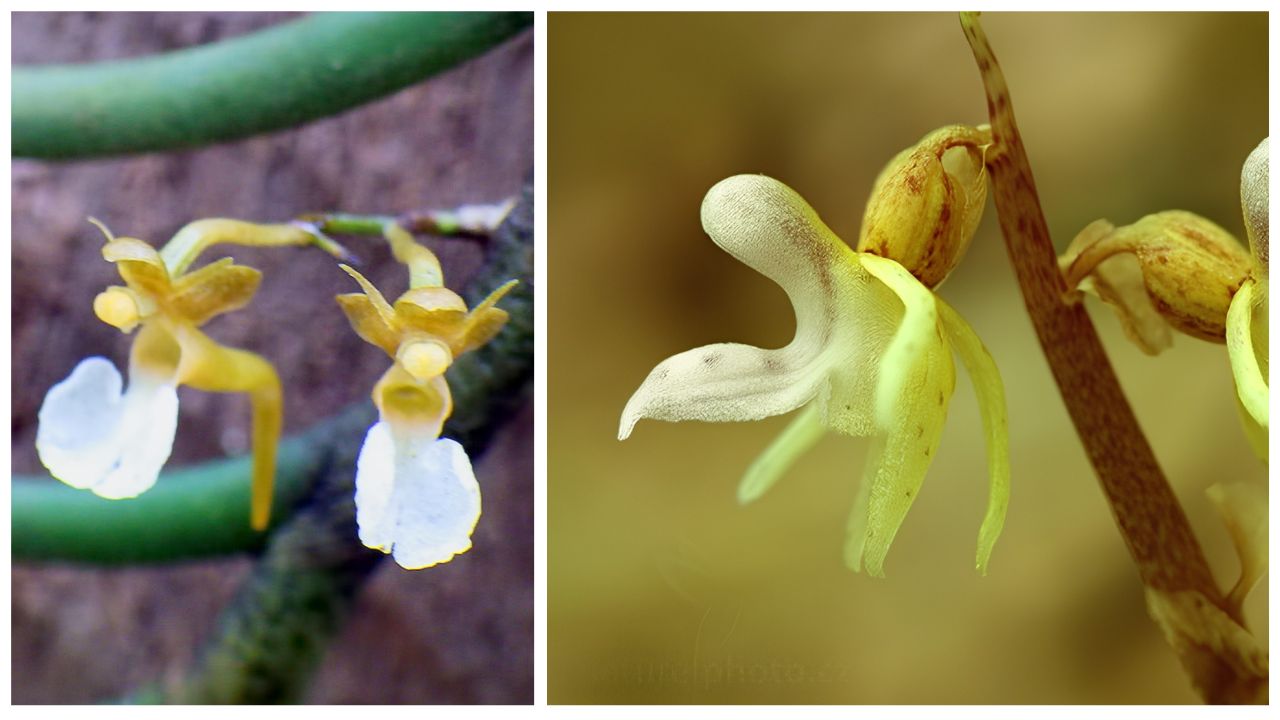
Nephrangis is a distinctive plant that can make an interesting addition to a collection when its growing conditions are matched carefully to its natural preferences. Like many unusual tropical and subtropical plants, it generally performs best when moisture, temperature, light, and air movement remain reasonably stable. Rather than treating it like an ordinary houseplant, it is helpful to think about creating a small, balanced growing environment where the plant can develop steadily without experiencing extremes.
Before planting Nephrangis, choose a location with suitable light, good drainage, and protection from sudden temperature changes. Understanding these basic requirements from the beginning makes ongoing care much easier. A healthy plant should have firm growth, good color, and a consistent pattern of new development. Slow growth is not necessarily a problem, particularly when environmental conditions change, but persistent yellowing, wilting, or deterioration usually indicates that something in the growing setup needs attention.
Choosing the Right Location
Light is one of the most important factors when growing Nephrangis successfully. A bright location with filtered or indirect light is generally a good starting point. Strong direct sunlight, particularly through hot glass during the afternoon, can cause leaf scorching and excessive moisture loss. On the other hand, a very dark position can result in weak, stretched growth and poor overall development.
An east-facing window can provide gentle morning light, while a bright position farther away from a stronger south- or west-facing window can work well when direct rays are intense. If natural light is limited, a suitable grow light can provide additional illumination. Keep artificial lighting at a reasonable distance and give the plant a consistent day and night cycle rather than leaving the light on continuously.
Preparing the Ideal Growing Medium
A suitable growing medium should provide both moisture retention and excellent drainage. Nephrangis should not be placed in heavy soil that remains saturated for long periods because poorly drained conditions can reduce oxygen around the roots and encourage root problems.
A loose, porous mixture containing quality organic material along with components that improve drainage can create a more suitable root environment. The exact mixture can be adjusted according to the plant’s response and the conditions in your home. In humid surroundings, use a more open mix that dries somewhat faster. In a dry indoor environment, a mixture with slightly greater moisture-holding capacity may be appropriate.
Always use a container with drainage holes. Decorative pots without drainage should only be used as outer containers, with the plant kept in a properly draining inner pot.
Planting Nephrangis Correctly
When planting Nephrangis, handle the roots and growing point gently. Place enough prepared medium into the container to position the plant at approximately the same depth at which it was previously growing. Avoid burying the central growth area too deeply, as excessive moisture around sensitive plant tissue can increase the possibility of rot.
After positioning the plant, gradually fill around the roots with the growing medium. Press it gently into place without compacting it heavily. Water lightly after planting to settle the medium around the roots, then allow excess water to drain completely.
Do not immediately place a newly planted specimen in harsh sunlight. Give it a stable environment with moderate light while it adjusts to its new container.
Watering Nephrangis for Healthy Growth
Watering should be based on the condition of the growing medium rather than following a rigid calendar. Check the surface and the moisture deeper in the pot before watering. When the medium has begun to dry appropriately, water thoroughly enough to moisten the root zone, allowing excess water to escape through the drainage holes.
Avoid keeping the plant constantly soaked. At the same time, allowing the roots to become completely dry for extended periods can create unnecessary stress. The correct balance depends on temperature, humidity, pot size, airflow, and the type of growing medium being used.
During periods of active growth, Nephrangis may require more frequent watering. Cooler or darker periods generally reduce water consumption. Always empty standing water from an outer container or saucer after watering.
Maintaining Humidity and Air Movement
Consistent humidity can be especially helpful for plants that originate from naturally humid environments. If indoor air is very dry, leaf edges may become damaged and growth can become less vigorous.
A humidifier can provide a more reliable solution than repeatedly misting the leaves. Grouping plants together can also create a slightly more humid microenvironment. However, humidity should not be increased without adequate air circulation.
Good airflow helps prevent stagnant, excessively wet conditions around foliage and the growing medium. Gentle air movement is preferable to a strong fan blowing continuously and directly onto the plant. The goal is a stable environment where moisture does not remain trapped around leaves for prolonged periods.
Feeding Nephrangis During the Growing Season
Nephrangis benefits from access to nutrients during active growth, but excessive fertilization can be more damaging than modest feeding. A balanced fertilizer suitable for the plant’s growing conditions can be applied at an appropriately diluted strength.
Feed only when the plant is actively growing. If growth slows considerably because of low temperatures or reduced light, reduce or pause fertilization. Applying strong fertilizer to a stressed or dry plant can damage the roots.
Periodic watering with plain water can also help prevent excessive fertilizer salts from accumulating in the growing medium. Healthy feeding should support steady development rather than forcing rapid growth.
Pruning and Routine Maintenance
Regular maintenance is relatively simple. Remove dead, severely damaged, or diseased plant material with clean tools. Avoid unnecessary pruning of healthy growth because every healthy leaf contributes to the plant’s ability to produce energy.
Wipe away dust when necessary, particularly if the plant is grown indoors. Clean foliage can receive light more efficiently and is easier to inspect for pests or developing problems.
During routine care, examine both sides of the leaves and the growing points. Early detection makes pest and disease problems considerably easier to manage.
Propagating Nephrangis
Propagation methods depend on the species and the plant’s natural growth habit. If Nephrangis produces suitable divisions, offsets, or other naturally separable growth structures, these may provide an effective way to create additional plants. Propagation should be carried out when the parent plant is healthy and actively growing.
Use clean equipment and prepare fresh, well-draining growing medium for new divisions. Each propagated section should have sufficient healthy tissue and, where applicable, an established root system or viable growing point.
After propagation, maintain slightly higher humidity and stable conditions while the new plant establishes itself. Avoid excessive watering during this stage because newly disturbed roots can be particularly vulnerable to rot. Patience is important; successful propagation may take time before obvious new growth appears.
Common Problems When Growing Nephrangis
Yellowing leaves can have several causes, including excessive watering, poor drainage, insufficient light, nutrient problems, or natural aging. Instead of immediately changing several conditions at once, examine the plant’s environment and identify the most likely cause.
Brown or crispy leaf edges can occur when humidity is too low, watering is inconsistent, or the plant experiences excessive heat or direct sunlight. Moving it to a more suitable location and establishing a consistent watering routine can help.
Soft, darkening roots or a persistently wet growing medium may indicate excessive moisture. In such cases, inspect the root system if necessary and correct the drainage and watering routine.
Pests such as scale insects, mealybugs, spider mites, or aphids can occasionally affect cultivated plants. Regular inspection is one of the best forms of prevention. Treat problems promptly using an appropriate plant-safe method and repeat treatment when necessary according to the product instructions.
Repotting Nephrangis Successfully
Repotting is best performed when the plant has outgrown its current container or when the growing medium has deteriorated. Choose a new pot only slightly larger than the existing root system. Moving directly into a very large container can cause the medium to remain wet for too long.
Carefully remove the plant and inspect the roots. Healthy roots should generally appear firm rather than mushy or severely damaged. Remove clearly dead material with clean tools before placing the plant into fresh growing medium.
After repotting, provide moderate light and stable moisture while the plant recovers. Avoid heavy fertilization immediately after disturbing the roots.
Keeping Nephrangis Thriving Long Term
The key to successfully growing Nephrangis is consistency. Provide suitable filtered light, a porous growing medium, careful watering, reasonable humidity, gentle airflow, and moderate nutrition. Avoid constantly changing its position or watering routine unless the plant shows signs that conditions need adjustment.
Observe the plant regularly and use its appearance as a guide. New growth, firm foliage, and stable development are encouraging signs that the environment is working well. When problems occur, make gradual corrections rather than changing everything simultaneously.
With thoughtful care and attention to its growing environment, Nephrangis can remain a fascinating and rewarding plant for years. The most successful approach is not to force rapid growth, but to create stable conditions that allow the plant to develop naturally and maintain healthy roots, foliage, and new growth.
