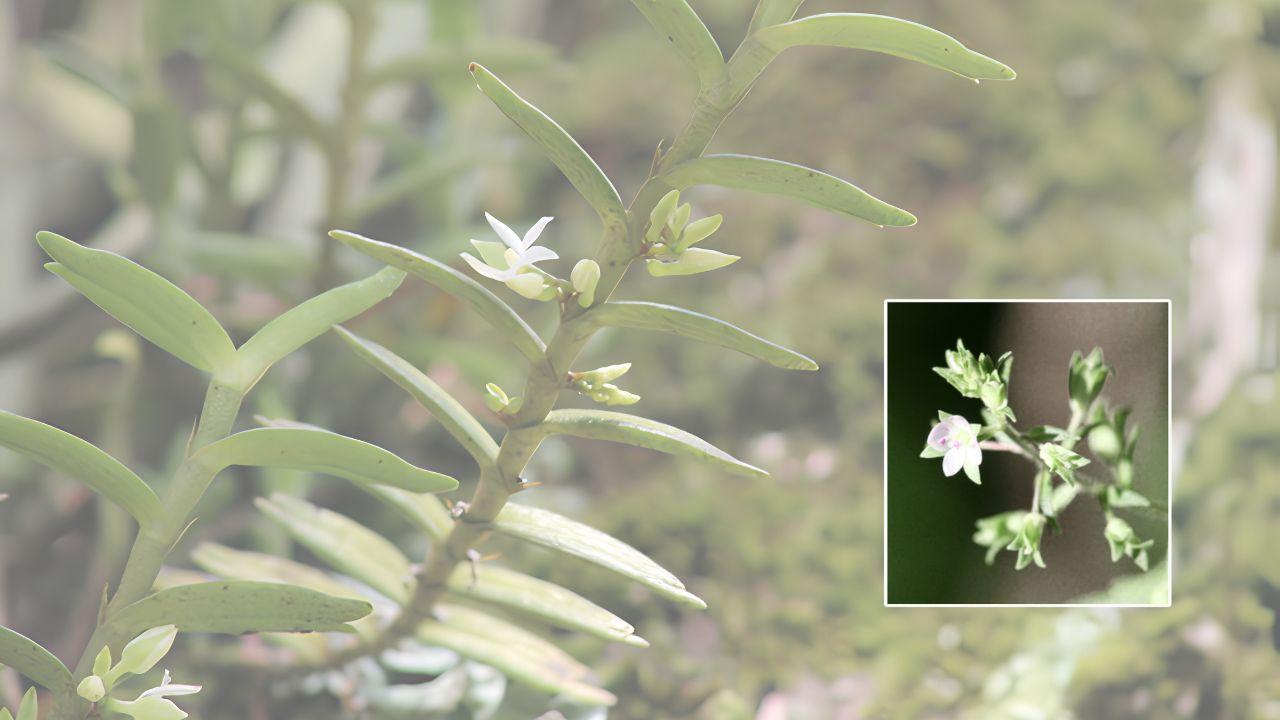
Eggelingia is a distinctive plant that can be an interesting addition to a carefully planned garden. Like many less commonly cultivated plants, successful growth begins with understanding its natural preferences rather than simply following a fixed watering or feeding routine. Providing suitable soil, adequate moisture, appropriate light, and good air circulation will give the plant the strongest foundation.
Before planting Eggelingia, choose a location where its environmental needs can be maintained consistently. Avoid areas where water remains around the roots for long periods, particularly if your garden soil is heavy or poorly drained. A healthy root system is essential because excessive moisture can gradually weaken the plant and increase the risk of root problems.
The quality of the planting material also matters. Select healthy, vigorous plants or reliable seeds without signs of disease, damage, or severe dehydration. Starting with strong material makes establishment easier and reduces problems during the early stages of growth.
Choosing the Right Location for Eggelingia
Location plays an important role in determining how successfully Eggelingia establishes itself. Choose a position with suitable light and protection from harsh environmental conditions. Depending on the growing form and local climate, a bright location with filtered or moderate sunlight may be preferable to intense exposure throughout the entire day.
Good air movement is equally important. Crowded planting areas can remain humid for extended periods, creating conditions that encourage fungal problems. Leave enough space around the plant for air to circulate freely and for the foliage to dry naturally after watering or rainfall.
If you are growing Eggelingia in a container, place it somewhere that receives appropriate natural light while avoiding sudden environmental changes. Containers can heat up quickly in direct summer sunlight, so some protection during extremely hot periods can help prevent stress.
Preparing the Soil for Healthy Growth
Eggelingia should be planted in soil that supports both moisture retention and drainage. Extremely compacted soil can restrict root development and prevent excess water from escaping. If your garden soil is heavy, improve its structure before planting by incorporating suitable organic material and other components that encourage better drainage.
A good growing medium should remain lightly moist without becoming permanently saturated. The roots require access to oxygen as well as water, so constantly wet soil can be just as damaging as severe dryness.
Before planting, loosen the soil to allow roots to move outward easily. Remove large stones, weeds, and compacted debris from the planting area. For container cultivation, use a clean pot with adequate drainage holes and a well-structured growing medium rather than ordinary dense garden soil alone.
Planting Eggelingia Correctly
Plant Eggelingia when environmental conditions are suitable for active establishment. Extremely hot, cold, or excessively wet periods can make transplanting more stressful, so moderate conditions are generally easier for young plants to handle.
Dig a planting hole large enough to accommodate the root system without forcing or bending the roots. Position the plant at approximately the same depth at which it was previously growing. Planting too deeply can reduce air circulation around the root zone and may contribute to moisture-related problems.
After positioning the plant, gently fill the hole with soil and press it lightly around the roots. Water thoroughly enough to settle the soil and eliminate large air pockets. Do not compact the soil excessively because loose soil allows water and air to move through the root zone more effectively.
If growing several plants, provide sufficient spacing according to their mature size. Adequate space reduces competition and improves air circulation as the plants develop.
Watering Eggelingia the Right Way
Water management is one of the most important parts of Eggelingia care. Newly planted specimens generally require more consistent moisture while their roots become established. Once established, watering should be adjusted according to soil condition, temperature, rainfall, and the plant’s growth stage.
Instead of watering according to a rigid daily schedule, check the growing medium regularly. If the upper portion of the soil has begun to dry, provide a thorough watering. If it is still noticeably wet, allow additional time for moisture to decline before watering again.
Deep and appropriate watering is generally more useful than frequent light sprinkling. Water slowly around the root zone so that moisture can penetrate deeper into the soil. Avoid repeatedly soaking the foliage when unnecessary, particularly during humid weather.
Container-grown Eggelingia may need more frequent attention because pots can dry faster than garden soil. However, always make sure excess water can escape through the drainage holes.
Providing Proper Light and Temperature
Eggelingia’s growth is strongly influenced by the amount and intensity of light it receives. Give the plant enough light to support healthy development while protecting it from conditions that cause excessive heat or leaf stress.
Observe the plant after placing it in its growing position. Weak, stretched growth may indicate insufficient light, while scorched or unusually stressed foliage can suggest excessive exposure or heat. Gradual changes are preferable when moving a plant between significantly different light conditions.
Temperature should also be considered. Protect young plants from sudden temperature extremes whenever possible. During unusually hot weather, maintaining consistent soil moisture and providing appropriate protection from intense afternoon conditions can reduce stress.
In cooler conditions, avoid unnecessary watering if the soil is already slow to dry. Cold and saturated soil can create unfavorable conditions around the roots.
Feeding Eggelingia for Strong Development
Fertilization should support healthy growth rather than force rapid development. Once the plant has established itself, a balanced fertilizer applied according to the product’s instructions can provide useful nutrients.
Avoid applying excessive fertilizer, particularly around young or recently transplanted plants. Too many nutrients can damage roots and may result in weak, overly soft growth. It is better to begin conservatively and observe how the plant responds.
Organic matter added to the soil can also contribute to long-term soil quality. Well-decomposed compost can improve soil structure and provide a gradual source of nutrients while supporting beneficial soil activity.
During periods when the plant is actively growing, its nutritional requirements may be higher than during periods of slow growth. Adjust feeding accordingly rather than maintaining the same fertilization routine throughout the year.
Pruning and Routine Maintenance
Regular observation makes Eggelingia maintenance much easier. Remove damaged, dead, or diseased plant material when necessary using clean cutting tools. This improves the plant’s appearance and can reduce the opportunity for problems to spread.
Avoid excessive pruning unless the plant’s growth habit specifically requires shaping. Removing too much healthy foliage can reduce the plant’s ability to produce energy and may slow development.
Keep the area surrounding Eggelingia free from aggressive weeds. Weeds compete for water, nutrients, light, and growing space, particularly while the plant is young. A suitable layer of organic mulch can help suppress weeds and moderate soil moisture, but keep mulch slightly away from the main stem to prevent excessive moisture from accumulating directly against it.
Protecting Eggelingia From Pests and Diseases
Healthy plants are generally better able to tolerate minor pest pressure, so proper growing conditions should be the first line of defense. Inspect the leaves, stems, and growing points regularly for unusual discoloration, holes, distorted growth, insects, or sticky residues.
If pests appear, identify the problem before applying any treatment. Different insects require different management approaches, and unnecessary chemical applications can harm beneficial organisms.
Good sanitation is particularly important when disease symptoms appear. Remove severely affected plant material and dispose of it appropriately rather than allowing it to remain around the plant. Avoid excessive watering and improve air circulation if the growing area stays damp for long periods.
The most common preventable problems often result from poor drainage, overwatering, overcrowding, or unsuitable light conditions. Correcting the underlying growing environment is usually more effective than relying only on treatments.
Growing Eggelingia in Containers
Container cultivation can be useful when garden soil or outdoor conditions are unsuitable. Select a container with adequate drainage and enough space for the plant’s developing root system.
Do not immediately place a small plant into an excessively large container simply for future growth. A very large volume of wet soil can remain moist for too long, increasing the risk of root problems. Move the plant into a larger container as its root system develops.
Container plants also require closer monitoring of moisture and nutrients. Check the soil regularly because environmental conditions can cause pots to dry unexpectedly quickly. At the same time, avoid keeping the growing medium constantly saturated.
Repotting should be considered when roots become crowded, drainage declines, or the growing medium has deteriorated. Handle the root system carefully during the process and water appropriately afterward.
Seasonal Care for Eggelingia
Eggelingia care should change with the seasons. During active growth, pay closer attention to watering, nutrition, weeds, and new development. Warm weather may increase moisture loss, while heavy rainfall may make additional irrigation unnecessary.
During cooler or less active periods, reduce watering when the soil remains moist for longer. Avoid fertilizing heavily when the plant is not actively growing.
Before periods of extreme weather, inspect the plant and growing area. Improve drainage before prolonged rain, provide suitable protection during severe heat, and protect vulnerable plants from unusually cold conditions where necessary.
Seasonal observation allows you to respond to actual conditions rather than relying on a fixed care schedule.
Propagating Eggelingia Successfully
Propagation methods depend on the particular species and the availability of suitable plant material. Where viable seeds are available, begin with fresh, healthy seed and provide an appropriate growing medium with controlled moisture.
Young seedlings require careful attention because their developing roots are more sensitive to both drought and excessive moisture. Keep the medium appropriately moist and provide suitable light without exposing delicate seedlings to extreme conditions.
If vegetative propagation is appropriate for the particular Eggelingia species, healthy plant material should be selected and handled carefully. Clean tools and suitable environmental conditions can improve the chances of successful establishment.
Regardless of the propagation method, patience is important. Young plants may require time to develop a strong root system before they show rapid above-ground growth.
Troubleshooting Common Eggelingia Problems
Slow growth can have several causes, including inadequate light, poor soil structure, insufficient nutrients, temperature stress, or root problems. Check the growing conditions systematically rather than immediately adding fertilizer.
Yellowing foliage can also have multiple explanations. Overwatering, poor drainage, nutrient imbalance, natural aging, or environmental stress may all contribute. Examine the soil and the overall condition of the plant before deciding on a solution.
Wilting does not always mean that a plant needs more water. Root damage caused by prolonged saturation can prevent healthy roots from absorbing moisture, causing symptoms that resemble drought stress. Checking the soil before watering is therefore essential.
With consistent observation and gradual adjustments, most cultivation problems can be identified early and corrected before they become severe.
Final Tips for Growing Eggelingia Successfully
Growing Eggelingia successfully is mainly about creating stable conditions and paying attention to how the plant responds. Start with healthy planting material, choose an appropriate location, prepare well-draining soil, and establish a sensible watering routine.
Provide suitable light, avoid extreme environmental stress, feed moderately during active growth, and maintain good garden hygiene. Regular inspections can help you catch pest, disease, drainage, or nutrient problems before they become difficult to manage.
Most importantly, avoid treating every plant according to the same schedule. Soil, climate, container size, rainfall, and light exposure can all influence Eggelingia’s requirements. By observing these factors and adjusting care accordingly, you can encourage healthier growth and maintain a stronger, more attractive plant over the long term.
