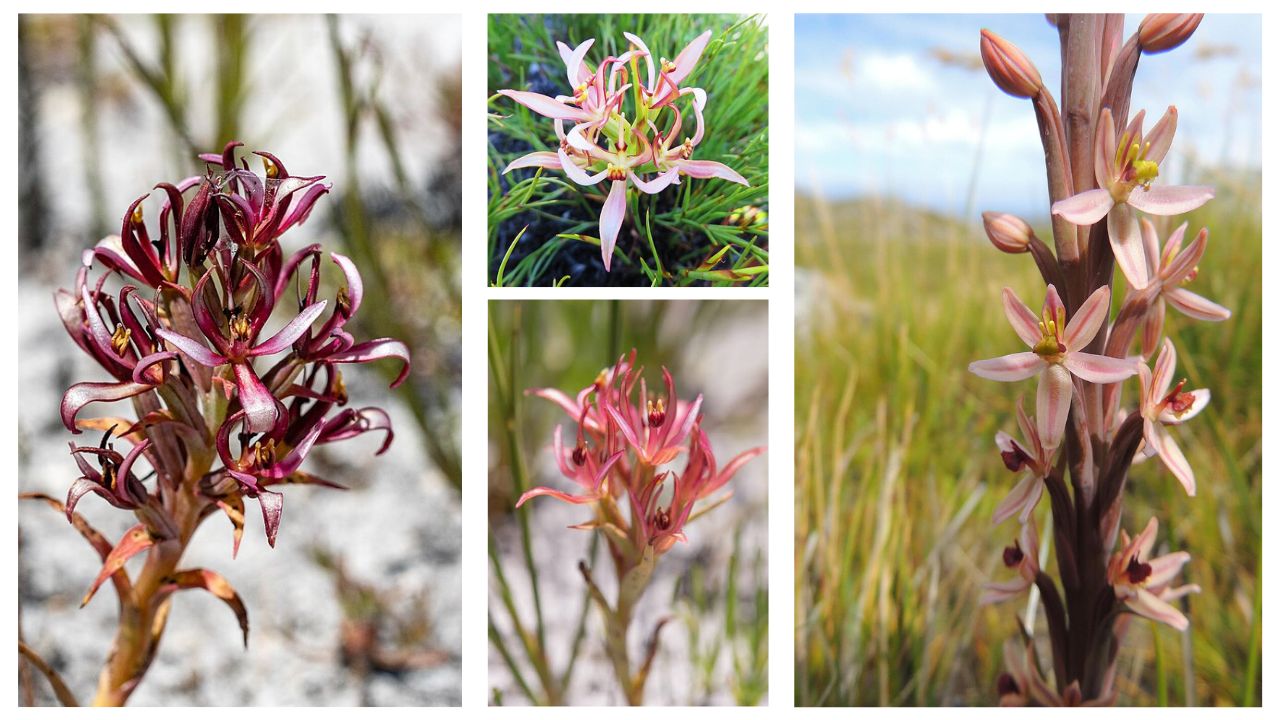
Pachites is a relatively uncommon plant, so growing it successfully begins with understanding its natural growth habits. Like many less familiar botanical species, it responds best when its basic environmental requirements are kept stable. The goal is to recreate the conditions the plant would naturally experience, particularly in terms of moisture, temperature, light, and soil structure.
When grown at home, Pachites should be treated as a plant that appreciates consistent care rather than sudden changes. Choose a location where it can receive suitable light without being exposed to harsh environmental conditions. Good airflow is also helpful because stagnant, overly humid conditions can encourage fungal problems and other forms of plant stress.
Choosing the Right Location for Pachites
The location you choose can make a significant difference to the long-term health of Pachites. A bright area with filtered or indirect light is generally a sensible starting point for indoor cultivation. Direct, intense sunlight for long periods can be stressful, especially if the plant has been grown in lower-light conditions.
If you are growing Pachites outdoors, select a sheltered position where the plant is protected from extreme heat, strong winds, and sudden temperature changes. Morning sunlight with some protection during the hottest part of the day can provide a balanced environment.
Avoid placing the plant immediately beside a strong heating source, air conditioner, or drafty window. Consistent temperatures help reduce unnecessary stress and allow the plant to establish a healthier growth pattern.
Preparing the Soil for Pachites
Good soil is one of the most important parts of growing Pachites successfully. The growing medium should hold enough moisture to support the plant while still allowing excess water to drain away. Heavy soil that remains saturated for long periods can create unfavorable root conditions.
A loose, well-draining mixture containing quality organic material and materials that improve drainage can work well. The exact composition can be adjusted according to the growing environment. For container cultivation, make sure the pot has adequate drainage holes so excess water can escape.
Before planting, break up compacted soil and remove large pieces of debris. A well-prepared growing medium gives developing roots room to spread and makes it easier to manage watering throughout the growing season.
Planting Pachites Successfully
When planting Pachites, handle the roots carefully and avoid unnecessary disturbance. Prepare a hole that is large enough to accommodate the root system without forcing the roots into a cramped position. Place the plant at approximately the same depth at which it was previously growing.
After positioning the plant, gently fill the surrounding area with soil and lightly firm it into place. Do not compact the soil excessively because roots need access to both moisture and air.
Water the plant after planting to help settle the soil around the roots. During the first few weeks, pay particular attention to moisture levels while the plant becomes established. Avoid repeatedly flooding the soil simply because the plant is newly planted.
Watering Pachites
Watering should be based on the condition of the soil rather than following a rigid schedule. Check the growing medium regularly and determine whether it has begun to dry before adding more water. The frequency will vary depending on temperature, humidity, container size, soil composition, and light exposure.
When watering, apply enough moisture to thoroughly wet the root zone, allowing excess water to drain from the bottom of the container. Empty standing water from saucers when necessary so the roots are not left sitting in water.
Overwatering is one of the common problems with container-grown plants. Yellowing leaves, weak growth, unpleasant-smelling soil, and consistently wet growing media can indicate that the plant is receiving too much moisture or that drainage is inadequate.
Providing the Right Light
Light plays an important role in healthy plant development. Pachites should receive enough light to support active growth, but extremely intense sunlight may cause stress depending on the plant’s growing conditions.
If the plant is grown indoors, a bright location near a suitable window can be useful. If sunlight is particularly strong, a light curtain can help reduce the intensity. Outdoor plants can be positioned where they receive bright light while gaining some protection from the strongest afternoon exposure.
Watch the plant rather than relying only on a fixed lighting rule. Slow, weak growth may indicate insufficient light, while scorched or damaged foliage can suggest excessive exposure.
Fertilizing Pachites
Pachites does not need excessive fertilizer to grow well. Too much fertilizer can create salt buildup in the soil and may damage the roots. A balanced fertilizer applied during periods of active growth can provide useful nutrients when the plant’s existing soil supply is limited.
Always follow the recommended dilution and application instructions for the fertilizer being used. It is generally better to provide moderate nutrition consistently than to apply a very strong dose at once.
Reduce or stop regular feeding when growth naturally slows. Fertilizing a plant heavily when it is not actively growing can create unnecessary nutrient accumulation in the growing medium.
Maintaining Healthy Growth
Regular observation is an important part of Pachites care. Look at the leaves, stems, and growing medium whenever you water the plant. Changes in leaf color, texture, or growth rate can provide early clues that something needs attention.
Remove damaged or dead plant material with clean tools. Keeping the growing area tidy can improve airflow and reduce opportunities for pests and diseases to develop.
If Pachites becomes crowded in its container, root growth may eventually become restricted. Signs can include unusually slow growth, roots appearing through drainage holes, or the soil drying much faster than usual. At that point, carefully moving the plant into a slightly larger container may be appropriate.
Propagating Pachites
Propagation can be an interesting way to produce additional Pachites plants, although the most suitable method depends on the particular species and the plant material available. Propagation from seeds is one possible approach, while vegetative methods may be possible for plants that naturally produce suitable divisions or cuttings.
For seed propagation, use a clean, well-draining growing medium and keep moisture consistent without making the medium waterlogged. Provide suitable warmth and light while waiting for germination.
If propagation by division or another vegetative method is appropriate, work carefully and use clean equipment. Newly propagated plants usually require gentler conditions until they establish their own root systems. Avoid exposing them immediately to harsh sunlight, excessive fertilizer, or irregular watering.
Common Pachites Growing Problems
Several problems can occur when growing Pachites, particularly when basic environmental conditions are inconsistent. Overwatering can lead to poor root health, while prolonged dryness can cause wilting and reduced growth.
Leaf discoloration may result from watering problems, insufficient light, nutritional imbalance, or environmental stress. Instead of immediately adding fertilizer, examine the complete growing environment first. Changing several conditions at once can make it difficult to determine the actual cause.
Pests should also be checked regularly. Look underneath leaves and around young growth for visible insects or signs of damage. Early detection makes pest management considerably easier and reduces the chance of a serious infestation.
Seasonal Care for Pachites
Pachites may require different care during different parts of the year. During warmer periods and active growth, the plant may use water more quickly and require closer monitoring. As temperatures fall or growth slows, watering should be adjusted accordingly.
Protect container-grown plants from sudden temperature extremes. Outdoor specimens may need additional protection when conditions become unusually cold, hot, windy, or wet.
Seasonal changes in light can also affect growth. A location that provides appropriate light during one season may become unsuitable as the angle and intensity of sunlight change, so occasional adjustments can be helpful.
Repotting Pachites
Repotting should be done when the plant has clearly outgrown its existing container rather than simply as a routine annual task. Choose a container only moderately larger than the current one. A dramatically oversized pot can hold excessive moisture around the roots.
Prepare fresh, well-draining growing medium and carefully remove the plant from its existing container. Inspect the roots and gently loosen any severely compacted material. Place the plant at the correct depth in its new container and water it thoroughly.
After repotting, allow Pachites some time to adjust. Keep conditions stable and avoid immediately applying heavy fertilizer. Temporary slowing of growth after repotting can be normal while the root system settles.
Long-Term Pachites Care
Successful Pachites cultivation is primarily about consistency. Provide suitable light, well-draining soil, appropriate moisture, moderate nutrition, and good airflow, then monitor how the plant responds. Instead of following a strict calendar, adjust care according to the plant and its environment.
With attentive maintenance, Pachites can become an interesting addition to a home plant collection. The most important principle is to avoid extremes. Neither constant watering nor prolonged neglect is ideal. Balanced conditions give the roots, foliage, and overall plant structure the best opportunity to develop properly.
Growing an uncommon plant can require patience because information and cultivation experience may be more limited than with popular houseplants. By observing Pachites carefully and making gradual adjustments, growers can develop a practical routine that suits their individual growing conditions and supports healthy long-term development.
