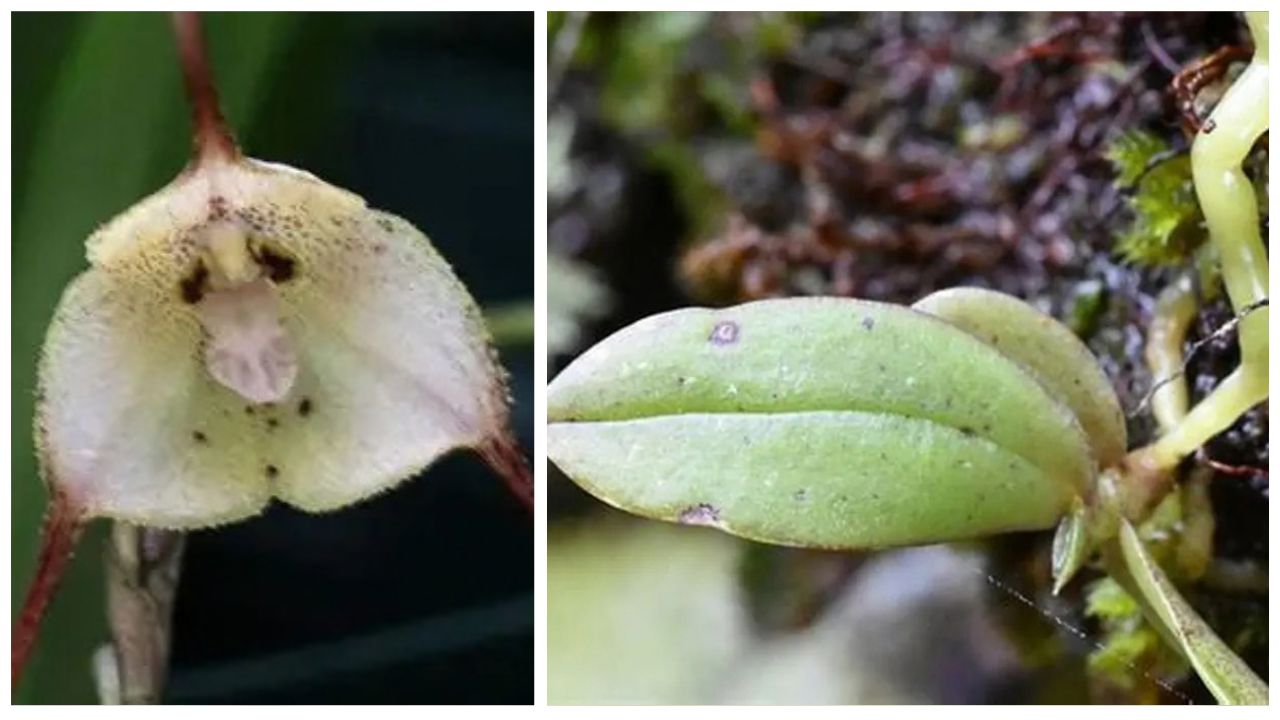
Lemurella is a fascinating plant to grow for anyone who enjoys unusual and less commonly cultivated species. Like many specialty plants, it benefits from a growing environment that closely matches its natural conditions. Success depends on providing suitable soil, consistent moisture, adequate light, good air circulation, and a stable temperature. Although Lemurella may require a little more attention than ordinary houseplants, a thoughtful care routine can help it establish healthy growth and remain attractive over time.
Growing Lemurella at home starts with choosing a suitable planting location and understanding how quickly the growing medium dries. Rather than following a rigid watering schedule, it is better to observe the plant and soil regularly. With the right balance of moisture and drainage, proper feeding, and careful propagation, Lemurella can become a rewarding addition to a home plant collection.
Choosing the Right Location for Lemurella
The location you choose can have a major effect on Lemurella’s overall growth. A bright position with suitable indirect light is generally preferable to a dark corner. Strong direct sunlight for long periods can be stressful, especially when the plant has been grown under protected conditions.
An area near a bright window can work well if intense afternoon sunlight is filtered through a curtain. Good air movement is also useful because it reduces stagnant humidity around the foliage and helps the growing medium dry at a reasonable rate.
Avoid placing Lemurella directly beside heating appliances, air-conditioning vents, or areas with sudden temperature changes. A stable environment usually makes it easier for the plant to establish new growth.
Selecting the Best Soil
Soil is one of the most important parts of Lemurella care. The growing medium should hold enough moisture to support the plant while allowing excess water to escape quickly. Heavy, compacted soil can remain wet for too long and may reduce oxygen around the roots.
A loose and well-draining mixture is therefore preferable. A combination of quality potting soil with materials that improve drainage and aeration can create a more suitable environment. Organic material can provide nutrients and moisture retention, while coarse components help prevent the mixture from becoming dense.
Before planting, make sure the pot has drainage holes. Even an excellent soil mixture can cause problems if water has nowhere to escape. The goal is to create a medium that feels slightly moist but never permanently saturated.
Planting Lemurella Correctly
When planting Lemurella, choose a container that provides enough room for the existing root system without being excessively large. A pot that is much larger than necessary can hold moisture for too long after watering.
Place some of the prepared growing medium into the container and position the plant carefully. The roots should be spread naturally without being tightly compressed. Add soil around the root system and gently firm it into place.
Do not pack the soil too tightly. Roots need access to air as well as moisture, and an overly compact growing medium can interfere with healthy development. After planting, water lightly to settle the soil around the roots and allow excess water to drain completely.
Watering Lemurella
Watering should focus on maintaining consistent but controlled moisture. The exact frequency depends on temperature, humidity, light, pot size, and the type of soil being used.
Check the growing medium before watering. If the upper portion has begun to dry, it may be time to water again. When watering, apply enough moisture to reach the root zone and allow excess water to flow through the drainage holes.
Avoid leaving the container sitting in standing water. Constantly saturated conditions can create an unhealthy root environment. On the other hand, allowing the plant to remain completely dry for extended periods can also cause stress.
During warmer and brighter periods, Lemurella may require water more frequently. In cooler conditions or during slower growth, watering may need to be reduced. Observing the soil rather than following a fixed calendar is the safest approach.
Providing Suitable Humidity
Humidity can influence how comfortably Lemurella grows, particularly when indoor air becomes dry. If the plant shows signs of stress during dry conditions, increasing surrounding humidity may help.
A humidifier can provide more consistent moisture in the air, while grouping compatible plants together can create a slightly more humid microenvironment. However, excessive humidity combined with poor air circulation can encourage fungal problems.
The ideal approach is to maintain reasonable humidity while ensuring that air can move around the plant. Good ventilation is especially important when the growing medium remains moist for longer periods.
Fertilizing Lemurella
Fertilizing provides additional nutrients during active growth, but more fertilizer does not necessarily mean faster or healthier growth. Excessive feeding can damage roots and create an accumulation of salts in the growing medium.
A balanced fertilizer used at an appropriate dilution can be incorporated into the care routine during periods of active growth. Follow the instructions for the particular fertilizer rather than applying concentrated amounts.
Fertilization can generally be reduced when growth naturally slows. Newly transplanted plants should also be given time to settle before receiving heavy feeding. A healthy root system and suitable growing conditions should always come before fertilizer.
Light Requirements for Healthy Growth
Light provides the energy Lemurella needs for photosynthesis and healthy development. Bright, filtered light is often a practical choice for indoor cultivation.
If the plant receives too little light, growth may become weak or slow. If it is exposed to excessive direct sunlight, leaves may become stressed or develop signs of scorching. The correct balance depends on the growing environment and how the plant responds.
When growing Lemurella indoors, rotate the container occasionally if growth is noticeably leaning toward one direction. This can encourage more balanced exposure to available light.
Temperature and Seasonal Care
Stable temperatures can help Lemurella maintain steady growth. Protect the plant from sudden cold drafts and extreme heat. Indoor cultivation makes temperature control easier because the plant can be moved when seasonal conditions change.
During periods of active growth, maintain a comfortable environment with suitable light and moisture. When growth slows during cooler or less favorable conditions, avoid excessive watering and fertilization.
Seasonal changes should therefore influence your care routine. Instead of keeping watering and feeding exactly the same throughout the year, adjust them according to the plant’s growth and the drying speed of its soil.
Propagating Lemurella
Propagation is an excellent way to produce additional Lemurella plants, although the most suitable method depends on the plant’s growth habit and available propagation material. Healthy plant material should always be selected because weak or damaged sections are less likely to establish successfully.
If propagation through division or suitable vegetative material is possible, work carefully to avoid unnecessary damage. Use clean tools and prepare fresh, well-draining growing medium for the new plants.
Newly propagated plants should receive gentle care while they establish roots. Avoid excessive watering during this stage because undeveloped roots may be particularly vulnerable to prolonged saturation. Provide appropriate light, warmth, and humidity while watching carefully for signs of new growth.
Repotting Lemurella
Lemurella does not necessarily need frequent repotting. Repotting becomes useful when the plant has outgrown its container, the growing medium has deteriorated, or drainage has become poor.
Choose a container only slightly larger than the previous one. Carefully remove the plant and inspect the root system. Healthy roots should be handled gently, while damaged material can be removed with a clean tool when necessary.
After repotting, give the plant time to adjust. Avoid immediately applying excessive fertilizer, and pay particular attention to watering while the roots recover.
Common Growing Problems
Several problems can develop when Lemurella’s basic growing requirements are out of balance. Yellowing leaves may be associated with excessive moisture, poor drainage, nutrient problems, or environmental stress. Slow growth can result from inadequate light, unsuitable temperatures, root problems, or insufficient nutrition.
Wilting does not always mean the plant needs more water. Root problems caused by overly wet soil can also prevent a plant from taking up water properly. For this reason, always inspect the growing medium before adding more water.
Pests should also be checked regularly, especially around new growth and the undersides of leaves. Early detection makes problems much easier to manage. Keeping the plant clean, providing airflow, and avoiding excessive stress can help maintain overall plant health.
Pruning and General Maintenance
Regular maintenance keeps Lemurella looking healthy and allows you to identify problems early. Remove damaged or dead plant material using clean cutting tools. Avoid unnecessary pruning of healthy growth because leaves contribute energy to the plant.
Wipe away accumulated dust when appropriate, particularly if the plant is grown indoors. Clean foliage can receive light more efficiently and is easier to inspect for pests or disease symptoms.
Regular observation is more valuable than frequent intervention. Checking the plant, soil moisture, new growth, and root condition when necessary can help you make small adjustments before larger problems develop.
Final Tips for Growing Lemurella Successfully
Growing Lemurella at home becomes much easier when the basic conditions remain consistent. Use a well-draining growing medium, choose an appropriately sized container, provide suitable light, and water according to the actual moisture level of the soil.
Good airflow, stable temperatures, and sensible humidity can further support healthy development. Fertilize during active growth without overfeeding, and propagate only from healthy plant material.
The most important principle is balance. Lemurella should receive enough moisture without becoming waterlogged, enough light without excessive exposure, and enough nutrients without fertilizer buildup. By observing the plant regularly and adjusting care according to its response, home growers can create a stable environment that encourages healthy, long-term growth.
