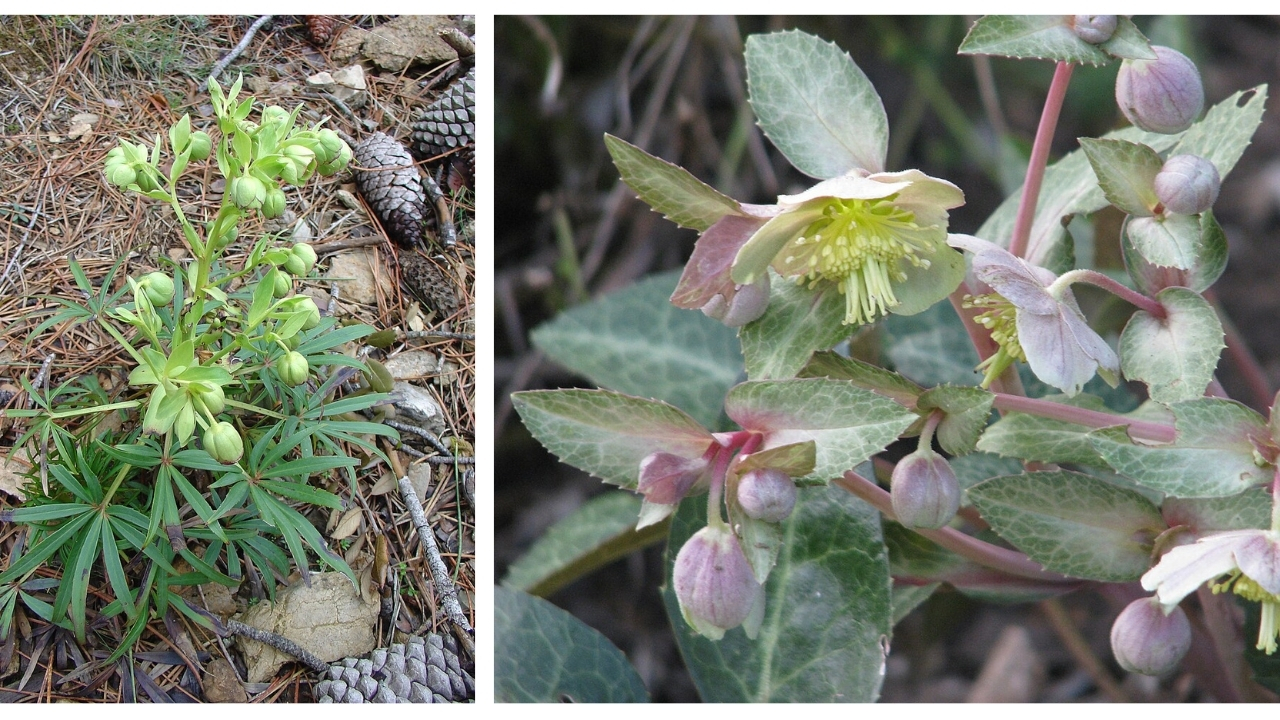
Hellebores are among the most treasured perennial flowers for gardeners who want beauty during the quietest months of the year. Often called the Christmas Rose or Lenten Rose, these elegant plants brighten gardens with delicate, nodding blooms when most other flowers remain dormant. Their long flowering season, evergreen foliage, and exceptional shade tolerance make them an outstanding choice for woodland gardens, borders, containers, and foundation plantings.
Despite their refined appearance, hellebores are surprisingly hardy and easy to maintain once established. They thrive for decades in the same location, gradually forming larger clumps that produce even more flowers each year. With proper planting, watering, and seasonal care, hellebores become one of the most dependable and rewarding perennials in any landscape.
Understanding Hellebores
Hellebores belong to the Ranunculaceae family and are native to parts of Europe and western Asia. Most modern garden varieties are hybrids that offer an impressive range of flower colors, including white, cream, yellow, pink, burgundy, deep purple, green, and nearly black. Many varieties also feature speckled petals, contrasting centers, or double blooms.
Unlike many flowering plants, hellebores bloom during late winter through early spring, depending on the climate. In milder regions, flowers may appear as early as December, while colder climates usually see blooms from February through April. The flowers often remain attractive for several months, gradually changing color as they mature.
The leathery, dark green foliage stays attractive throughout much of the year, providing valuable structure and texture even after flowering has ended.
Choosing the Best Planting Location
Selecting the right location is one of the most important steps toward growing healthy hellebores. These perennials naturally grow beneath deciduous trees where they receive filtered sunlight during spring and welcome shade during summer.
Morning sunlight combined with afternoon shade creates ideal growing conditions. In cooler climates, hellebores can tolerate more sunlight, while gardeners in warmer regions should protect them from intense afternoon heat.
The soil should be rich, fertile, and well-draining. Hellebores dislike constantly wet conditions that may lead to root rot, but they also perform poorly in dry, sandy soils that fail to retain moisture. Amending the planting area with compost or well-rotted organic matter greatly improves both drainage and fertility.
Avoid planting hellebores in areas where water tends to collect after rainfall.
When to Plant Hellebores
Hellebores establish best when planted during spring or early autumn. These seasons provide moderate temperatures and sufficient moisture for root development before periods of extreme heat or freezing weather arrive.
Container-grown hellebores can technically be planted throughout the growing season if watered carefully, but spring and fall remain the most successful planting times.
Giving young plants several months to establish before their first winter or summer helps them develop stronger root systems and encourages vigorous future growth.
How to Plant Hellebores
Prepare the planting hole approximately twice as wide as the root ball while keeping the depth nearly equal to the container. Planting too deeply can reduce flowering and slow establishment.
Mix compost into the excavated soil before placing the plant into the hole. Position the crown at soil level, then gently backfill while firming the soil to eliminate air pockets.
Water thoroughly after planting to settle the soil around the roots. Applying a layer of organic mulch helps retain moisture, suppress weeds, and regulate soil temperature. Keep mulch slightly away from the crown to prevent excess moisture buildup around the stems.
Space multiple hellebores about 18 to 24 inches apart so mature plants have adequate room for air circulation and gradual expansion.
Watering Requirements
Consistent moisture is especially important during the first growing season while hellebores establish their root systems.
Water deeply whenever the top inch of soil begins to dry. Rather than frequent shallow watering, occasional deep irrigation encourages roots to grow downward into the soil.
Once mature, hellebores become relatively drought tolerant, although prolonged dry periods during summer may still require supplemental watering. Deep watering every week or two during extended drought keeps foliage healthy and promotes stronger flowering the following season.
Avoid overwatering, especially in heavy soils where standing moisture can damage roots.
Soil and Fertilizer Needs
Hellebores prefer fertile soil rich in organic matter with a slightly alkaline to neutral pH. They are not heavy feeders, but regular soil improvement encourages healthier plants and more abundant blooms.
Adding compost around the plants every spring naturally replenishes nutrients while improving soil texture.
If additional fertilizer is desired, apply a balanced slow-release fertilizer in early spring just as new growth begins. Excessive nitrogen should be avoided because it encourages lush foliage at the expense of flowers.
Healthy soil containing plenty of organic matter often provides all the nutrition mature hellebores require.
Winter Blooming and Seasonal Care
One of the greatest attractions of hellebores is their ability to flower during winter when few other plants are active.
As flower buds begin to emerge, many gardeners remove older leaves from the previous season. This simple task improves air circulation, highlights developing blooms, and reduces the risk of fungal diseases affecting aging foliage.
During periods of snow or freezing temperatures, hellebore flowers often bend dramatically toward the ground. This natural response protects delicate tissues from damage. Once temperatures rise, the flowers usually return to their upright position without harm.
Even after blooming finishes, the flowers gradually develop attractive seed pods and often remain ornamental well into spring.
Pruning and General Maintenance
Hellebores require very little pruning throughout the year.
Late winter is the ideal time to remove damaged, yellowing, or tattered leaves before fresh growth appears. This keeps the plant looking neat while allowing flowers to become more visible.
After flowering, faded blooms can remain on the plant if seed production is desired. Otherwise, removing spent flowers directs energy back into healthy foliage growth.
Weeds should be removed regularly since hellebores prefer minimal competition around their shallow root systems.
Applying fresh mulch each year helps reduce maintenance while preserving soil moisture.
Growing Hellebores in Containers
Hellebores adapt surprisingly well to container gardening, making them excellent additions to patios, balconies, and shaded entrances.
Choose a large container with generous drainage holes and fill it with high-quality, well-draining potting mix enriched with compost.
Container-grown plants require more frequent watering than those planted in the ground because pots dry out faster. However, avoid allowing water to remain trapped inside decorative cachepots.
Position containers where they receive bright indirect light or gentle morning sun. During extremely hot summers, moving containers into deeper shade helps reduce stress.
Repot mature hellebores every few years when roots begin filling the container.
Propagating Hellebores
The easiest method of propagation is division, although patience is required since hellebores grow relatively slowly.
Large, mature clumps can be divided during early autumn or immediately after flowering. Carefully lift the plant and separate healthy sections containing several shoots and strong roots before replanting promptly.
Many hellebore varieties also self-seed naturally around the garden. Young seedlings often appear beneath mature plants and can be transplanted once they develop several true leaves.
Keep in mind that hybrid varieties grown from seed may not produce flowers identical to the parent plant, making each seedling unique.
Common Pests and Diseases
Hellebores are generally resistant to serious pest problems, which contributes to their popularity as low-maintenance perennials.
Occasionally, aphids may gather on new growth, while slugs and snails sometimes feed on tender leaves. These pests are usually easy to manage through regular monitoring and prompt removal.
Poor air circulation or prolonged wet conditions may encourage fungal diseases such as leaf spot or black spot. Removing affected foliage, avoiding overhead watering, and maintaining proper spacing between plants greatly reduces disease risk.
Healthy plants growing in suitable conditions rarely experience significant problems.
Companion Plants for Hellebores
Hellebores combine beautifully with many other shade-loving plants to create attractive gardens throughout the year.
They pair naturally with ferns, hostas, heucheras, lungwort, bleeding hearts, primroses, snowdrops, cyclamen, and woodland anemones. Early-flowering bulbs such as daffodils and crocuses also complement hellebores by extending seasonal interest.
The evergreen foliage provides an attractive backdrop for spring flowers while continuing to offer structure during the remainder of the growing season.
Layering plants with different bloom times creates continuous color from late winter through autumn.
Common Growing Mistakes to Avoid
Many gardeners unintentionally reduce flowering by planting hellebores too deeply. Keeping the crown at soil level is essential for healthy growth.
Overwatering is another common mistake. Although hellebores appreciate consistent moisture, saturated soil often causes root problems.
Planting in full, intense afternoon sun can scorch leaves and shorten bloom duration, especially in warmer climates.
Excessive fertilization with nitrogen-rich products encourages leafy growth but reduces flower production.
Finally, avoid moving established plants unnecessarily. Hellebores prefer remaining undisturbed and often perform best after settling into one permanent location for many years.
Conclusion
Hellebores are among the finest perennial plants for gardeners seeking reliable winter color, graceful foliage, and long-lasting beauty with minimal maintenance. Their remarkable ability to bloom during the coldest months transforms quiet landscapes into vibrant displays when flowers are most appreciated.
By planting hellebores in fertile, well-drained soil with partial shade, providing consistent moisture during establishment, and performing simple annual maintenance, gardeners can enjoy decades of elegant blooms. Whether planted beneath trees, along shaded pathways, in mixed perennial borders, or in decorative containers, hellebores reward even beginner gardeners with dependable performance, exceptional longevity, and stunning flowers that announce the arrival of spring long before most other plants awaken.
