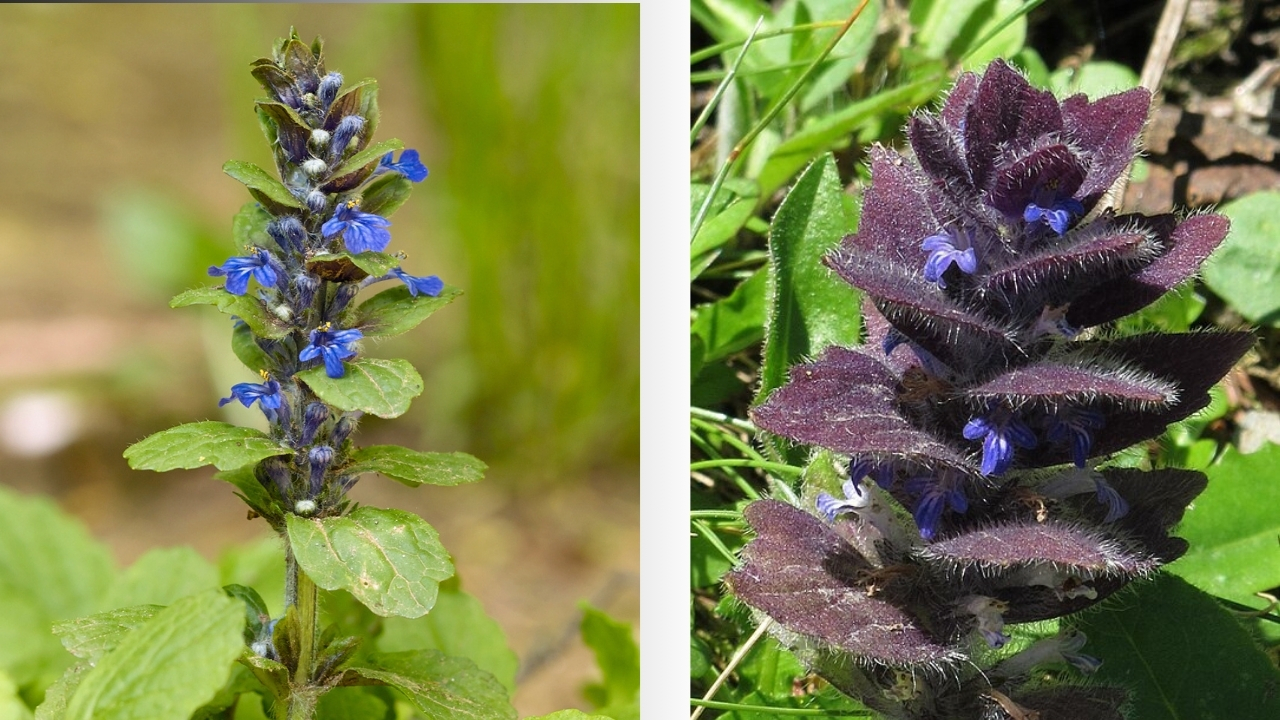
Bugleweed, commonly known by its botanical name Ajuga, is a low-growing perennial that has become one of the most reliable groundcovers for home gardens. Its dense foliage, colorful leaves, and vibrant flower spikes make it an attractive choice for filling empty spaces while reducing weeds. Whether planted beneath trees, along pathways, or on slopes, bugleweed creates a lush carpet that adds beauty throughout much of the year.
One of the biggest reasons gardeners choose bugleweed is its ability to spread quickly and establish itself with minimal maintenance. Unlike many ornamental plants that require frequent attention, bugleweed thrives once settled into the right location. It adapts well to different garden styles, from woodland landscapes to formal borders, making it a versatile addition to almost any outdoor space.
Besides its decorative value, bugleweed also helps stabilize soil, prevent erosion, and provide nectar for pollinators during its blooming season. With proper planting and care, this hardy perennial can remain healthy and attractive for many years.
Choosing the Best Location for Healthy Growth
Selecting the right planting site is the foundation of successful bugleweed growth. This plant naturally thrives in woodland environments, meaning it prefers areas with partial shade. However, many varieties also tolerate full sun if the soil remains consistently moist.
Morning sunlight followed by afternoon shade is often considered ideal, especially in warmer climates where intense afternoon heat can stress the foliage. In cooler regions, bugleweed may perform well in full sun without significant problems.
The soil should be well-draining while retaining enough moisture to support healthy root development. Rich garden soil amended with organic matter encourages faster establishment and vigorous spreading. Although bugleweed can tolerate average soils, it grows best in fertile conditions with moderate moisture.
Avoid planting in locations where water regularly collects after rainfall, as overly saturated soil may increase the risk of root problems and fungal diseases.
Preparing the Soil Before Planting
Proper soil preparation significantly improves the long-term success of bugleweed. Begin by removing weeds, grass, rocks, and debris from the planting area. Since bugleweed forms a dense mat over time, eliminating existing weeds beforehand helps prevent future competition.
Loosen the soil to a depth of several inches using a garden fork or shovel. Mixing compost or well-rotted organic matter into the soil improves fertility, drainage, and moisture retention. Organic amendments also encourage beneficial soil organisms that contribute to healthier plant growth.
If your soil is heavy clay, adding compost helps create a looser structure that allows excess water to drain more effectively. Sandy soils benefit from organic matter as well because it helps retain moisture around the roots.
Level the planting area before placing the plants so they establish evenly and spread more uniformly.
How to Plant Bugleweed Successfully
Planting bugleweed is a straightforward process that beginners can easily master. Spring and early autumn are generally the best seasons for planting because cooler temperatures reduce stress while allowing roots to establish before extreme weather arrives.
Dig planting holes slightly larger than each root ball. Space plants approximately 8 to 12 inches apart, depending on how quickly you want the groundcover to fill in. Closer spacing produces a fuller appearance sooner, while wider spacing allows individual plants more room to expand naturally.
Place each plant so the crown sits level with the surrounding soil. Backfill gently, pressing the soil around the roots to eliminate air pockets without compacting it excessively.
Water thoroughly immediately after planting. A deep initial watering encourages the roots to grow into the surrounding soil and speeds up establishment.
Applying a light layer of mulch between young plants helps conserve moisture while suppressing weed growth during the first growing season.
Watering Requirements Throughout the Seasons
Consistent watering is especially important while bugleweed is becoming established. Newly planted specimens benefit from evenly moist soil during their first several weeks. Deep watering encourages roots to grow downward, resulting in stronger, more drought-tolerant plants.
Once mature, bugleweed generally requires only moderate watering. During periods of regular rainfall, additional irrigation may not be necessary. However, prolonged dry spells may require supplemental watering to keep the foliage healthy and prevent leaf scorch.
Water directly at the base of the plants whenever possible instead of wetting the leaves. This simple practice reduces the likelihood of fungal diseases while ensuring moisture reaches the root zone where it is needed most.
Avoid frequent shallow watering, which encourages weak surface roots. Instead, water deeply whenever the soil begins to dry several inches below the surface.
Fertilizing for Lush Foliage and Colorful Blooms
Bugleweed is not considered a heavy feeder, but occasional fertilization supports vigorous growth and vibrant foliage. Applying compost around the plants each spring provides a steady supply of nutrients while improving overall soil quality.
If additional feeding is desired, use a balanced slow-release fertilizer in early spring as new growth begins. This promotes healthy leaves, stronger roots, and abundant flower production without encouraging excessive soft growth.
Avoid applying large amounts of nitrogen-rich fertilizer, as this may produce lush foliage at the expense of flowering. Excessive fertilization can also increase susceptibility to diseases.
Healthy soil enriched with organic matter often provides enough nutrition for bugleweed to thrive without requiring frequent fertilizer applications.
Encouraging Fast Spreading and Dense Coverage
One of bugleweed’s greatest strengths is its rapid spreading habit. The plant produces runners that extend outward, forming new plantlets that gradually fill bare spaces. This natural growth pattern creates an attractive, weed-suppressing carpet over time.
To encourage faster coverage, maintain consistent soil moisture during the growing season and provide adequate spacing at planting. Removing competing weeds allows young runners to establish without interference.
Dividing overcrowded clumps every few years also stimulates vigorous new growth. Replanting divisions into empty sections of the garden quickly expands the planting while rejuvenating older patches.
Keeping the area free from accumulated debris allows runners to root more easily as they spread across the soil surface.
Pruning and Seasonal Maintenance
Bugleweed requires relatively little pruning compared to many ornamental plants. After flowering finishes, removing spent flower spikes keeps the planting looking neat and may encourage additional foliage growth.
During early spring, trim away damaged or winter-worn leaves before fresh growth begins. This simple cleanup improves appearance while increasing air circulation throughout the planting.
If bugleweed spreads beyond its intended boundaries, simply trim or pull up unwanted runners. Routine edging helps maintain defined borders and prevents the plant from invading nearby flower beds or lawns.
In regions with mild winters, much of the foliage may remain evergreen, requiring only occasional cleanup rather than major pruning.
Common Pests and Diseases
Bugleweed is generally resistant to most serious pest problems, making it an excellent low-maintenance choice for gardeners. Occasionally, slugs and snails may feed on tender leaves, particularly in damp, shaded gardens. Hand removal, reducing excess moisture, and maintaining clean garden beds usually keep these pests under control.
Crown rot is among the most significant issues affecting bugleweed, particularly in poorly drained soils. Planting in well-draining locations and avoiding excessive watering greatly reduces this risk.
Powdery mildew and other fungal diseases may develop when plants become overcrowded or air circulation is poor. Proper spacing, periodic thinning, and watering at the soil level help prevent these problems.
Regular inspection allows gardeners to identify minor issues before they become widespread.
Propagating Bugleweed for More Plants
Propagating bugleweed is remarkably simple because the plant naturally produces numerous runners. The easiest method involves separating rooted plantlets from the parent plant during spring or early autumn.
Carefully dig around a healthy runner that has developed its own roots. Lift it gently, preserving as much of the root system as possible, then replant it immediately in prepared soil. Water thoroughly until the new division becomes established.
Older clumps can also be divided every few years. Lift the entire plant, separate it into several healthy sections, and transplant each division into its new location.
Propagation through division not only produces additional plants but also helps maintain vigorous growth in mature plantings.
Using Bugleweed in Landscape Design
Bugleweed fits beautifully into a wide variety of landscape styles. It performs exceptionally well beneath trees where grass struggles to grow, creating a colorful living carpet in shaded spaces.
Gardeners often use it along pathways, around stepping stones, beneath shrubs, and on slopes where erosion control is needed. The dense foliage suppresses weeds while adding year-round interest through its attractive leaves and seasonal flowers.
Combining bugleweed with shade-loving perennials creates layered plantings that offer texture, color, and visual depth. It also works well in woodland gardens, cottage landscapes, rain gardens, and naturalized settings.
Its compact growth habit makes bugleweed equally suitable for small gardens and expansive landscapes.
Final Tips for Growing Healthy Bugleweed
Bugleweed is an outstanding choice for gardeners seeking a beautiful, fast-spreading groundcover that requires minimal maintenance. By planting it in fertile, well-draining soil with appropriate sunlight and consistent moisture during establishment, you can enjoy dense foliage and striking blooms year after year.
Routine watering, occasional feeding, light pruning, and periodic division help maintain healthy growth while encouraging continuous expansion. Monitoring for excessive moisture and maintaining good air circulation further reduces the chance of disease.
With its attractive foliage, colorful flower spikes, ability to suppress weeds, and adaptability to many garden conditions, bugleweed remains one of the easiest and most rewarding groundcovers to grow. Whether you’re covering bare soil, enhancing a woodland garden, or creating a lush border, this dependable perennial offers lasting beauty with remarkably little effort.
