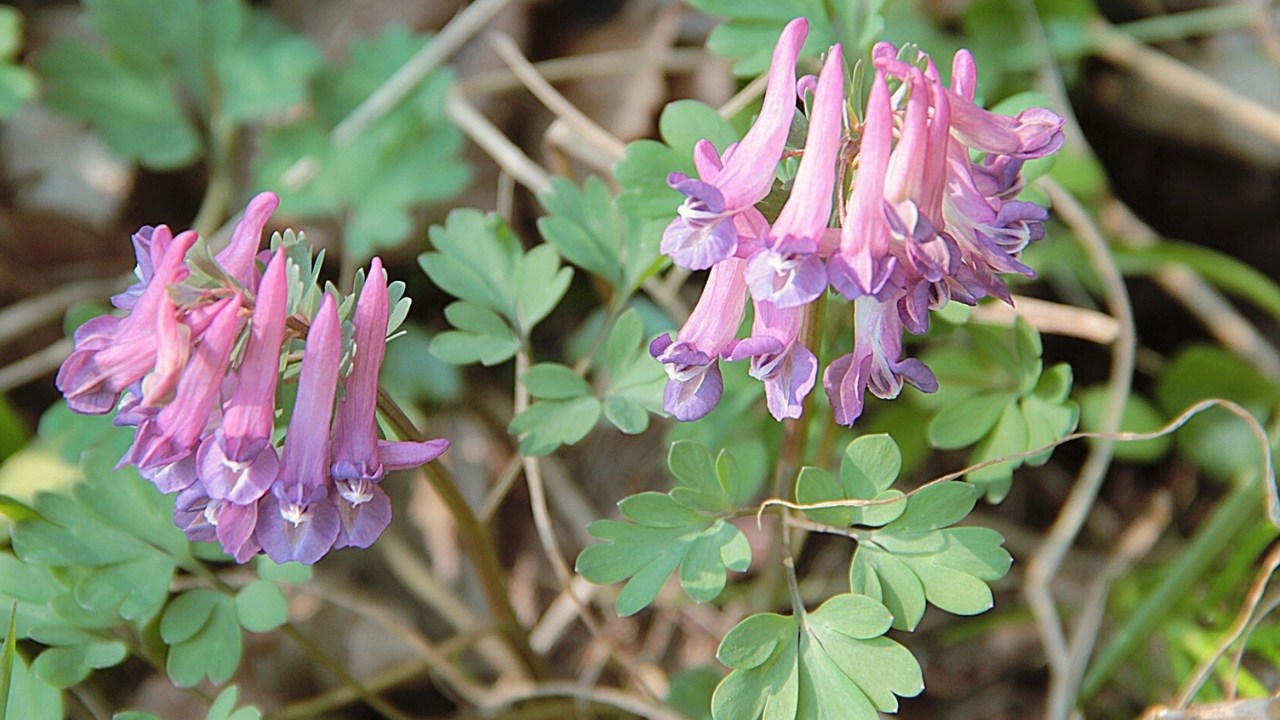
Corydalis is a charming flowering perennial that has earned a loyal following among gardeners who appreciate elegant blooms, delicate foliage, and long-lasting color in shaded spaces. Belonging to the poppy family, Corydalis produces clusters of uniquely shaped tubular flowers that resemble tiny spurred blossoms hovering above soft, fern-like leaves. Depending on the variety, flowers appear in shades of blue, purple, pink, yellow, white, or lavender, bringing vibrant color to woodland gardens, shaded borders, and cottage landscapes.
Many Corydalis species bloom for an exceptionally long season, especially when grown in cool, moist conditions. Unlike many shade-loving perennials that flower only briefly, certain Corydalis varieties continue blooming from spring through autumn, making them valuable additions to gardens where continuous color is desired. Their graceful appearance also attracts bees, butterflies, and other beneficial pollinators while adding an airy texture that pairs beautifully with hostas, ferns, bleeding hearts, and hellebores.
Choosing the Right Corydalis Variety
Selecting the right species is one of the most important steps toward growing healthy plants. Different Corydalis varieties have different preferences for temperature, moisture, and sunlight.
Corydalis flexuosa is admired for its brilliant blue flowers and attractive bluish-green foliage. It thrives in cool climates with moist, fertile soil and partial shade.
Corydalis lutea, also known as yellow Corydalis, is among the easiest varieties to grow. It tolerates a wider range of conditions, self-seeds gently, and blooms continuously from late spring until frost in favorable climates.
Corydalis solida offers colorful spring displays with pink, purple, or white flowers and naturally goes dormant during summer after flowering.
Choosing a variety suited to your local climate helps ensure vigorous growth and reliable blooming throughout the season.
Best Growing Conditions for Healthy Plants
Corydalis naturally grows in woodland environments where temperatures remain cool and soil stays consistently moist. Recreating these conditions in the garden encourages healthy foliage and abundant flowers.
Partial shade is ideal for most species. Morning sunlight followed by afternoon shade provides enough light for flowering while protecting plants from intense summer heat. In cooler northern regions, some varieties tolerate more direct sunlight if soil moisture remains consistent.
The ideal temperature ranges between 55°F and 75°F. Prolonged heat above these temperatures can reduce flowering and cause foliage to decline, especially in blue-flowered species.
Sheltered locations protected from drying winds help maintain healthy leaves and extend the flowering period.
Soil Preparation Before Planting
Rich, well-drained soil with plenty of organic matter creates the ideal environment for Corydalis roots. Woodland plants prefer loose soil that retains moisture without becoming waterlogged.
Before planting, mix generous amounts of compost, leaf mold, or well-rotted organic matter into the planting area. These materials improve soil fertility, enhance drainage, and help maintain consistent moisture levels.
A slightly acidic to neutral soil pH between 6.0 and 7.0 is generally ideal. Heavy clay soils should be improved with compost and coarse organic material to prevent standing water around the roots.
Preparing the soil thoroughly before planting reduces future maintenance and encourages stronger growth.
How to Plant Corydalis
Spring and early autumn are the best times to plant Corydalis because cooler temperatures reduce transplant stress and encourage root development.
Dig planting holes slightly wider than the root ball while keeping the planting depth equal to the container level. Place each plant carefully into the hole and gently firm the surrounding soil to eliminate large air pockets.
Space plants approximately 10 to 15 inches apart, depending on the mature size of the selected variety. This spacing allows proper air circulation while creating an attractive natural grouping as plants mature.
After planting, water deeply to settle the soil around the roots and apply a light layer of mulch to conserve moisture.
Watering for Continuous Blooms
Consistent moisture is one of the most important requirements for successful Corydalis cultivation. Unlike drought-tolerant perennials, these woodland flowers prefer evenly moist soil throughout the growing season.
Water deeply whenever the top inch of soil begins to feel slightly dry. During warm weather, watering may be required more frequently, especially for container-grown plants.
Avoid allowing soil to dry out completely, as prolonged dryness often leads to reduced flowering and premature dormancy. At the same time, avoid constantly saturated soil, which may encourage root rot.
Applying organic mulch helps stabilize soil moisture while reducing evaporation during summer.
Fertilizing for Vigorous Growth
Corydalis is not a particularly heavy feeder, but moderate fertilization encourages lush foliage and prolonged flowering.
In early spring, apply a balanced slow-release fertilizer or work compost into the soil around established plants. Organic fertilizers provide steady nutrition without promoting excessive leafy growth.
Avoid overfeeding with high-nitrogen fertilizers, as they can encourage abundant foliage at the expense of flowers.
A light application of compost during midsummer may help extend blooming for continuously flowering varieties while improving overall soil quality.
Light Requirements Throughout the Seasons
Understanding seasonal light changes helps gardeners provide ideal growing conditions.
In spring, Corydalis often benefits from increased sunlight before trees fully leaf out. This additional light supports vigorous growth and early flowering.
As summer temperatures rise, filtered shade becomes increasingly important. Afternoon shade protects delicate foliage from scorching and helps maintain flowering during warm periods.
During autumn, cooler temperatures often stimulate another flush of blooms, especially for long-blooming species that appreciate the return of milder weather.
Monitoring seasonal sunlight patterns allows gardeners to choose the most suitable planting location.
Pruning and General Maintenance
Corydalis requires relatively little maintenance beyond occasional grooming.
Regularly remove faded flowers to encourage continued blooming and prevent unnecessary seed production in varieties where self-seeding is not desired. Deadheading also keeps plants looking tidy throughout the growing season.
Trim damaged or yellowing leaves whenever necessary to improve appearance and increase air circulation around the plant.
Some spring-flowering species naturally enter dormancy after blooming. Allow foliage to die back naturally before removing it, as this process stores energy for the following year’s growth.
Refreshing mulch each spring helps suppress weeds while maintaining consistent soil moisture.
Growing Corydalis in Containers
Many Corydalis varieties perform beautifully in containers, making them excellent choices for patios, balconies, shaded porches, and courtyard gardens.
Choose containers with drainage holes and fill them with a high-quality potting mix enriched with compost. Since containers dry out more quickly than garden beds, monitor soil moisture regularly during warm weather.
Place containers where plants receive bright filtered light or gentle morning sun with afternoon shade.
Container-grown plants may benefit from diluted liquid fertilizer every four to six weeks during active growth to support continuous flowering.
Repot mature plants every few years to refresh the growing medium and prevent overcrowded roots.
Common Pests and Diseases
Corydalis is generally resistant to serious pest problems, making it an easy-care perennial for many gardens.
Slugs and snails occasionally feed on tender young leaves, especially during wet weather. Hand removal, barriers, or environmentally friendly slug controls can minimize damage.
Aphids sometimes appear on new shoots but rarely cause severe problems. Washing them away with water or encouraging beneficial insects usually provides effective control.
Poor drainage may lead to root rot or fungal diseases. Ensuring proper soil drainage and avoiding excessive watering significantly reduces these risks.
Good air circulation and healthy growing conditions help prevent most disease issues naturally.
Propagation Methods
Gardeners can expand their Corydalis collection through several reliable propagation techniques.
Division is one of the easiest methods for clump-forming species. Divide mature plants in early spring or early autumn, ensuring each section has healthy roots and growing points before replanting.
Seeds can also be collected after flowering, although many species require fresh seed and may need a period of natural cold stratification before germinating.
Some varieties readily self-seed under favorable conditions, creating attractive naturalized colonies throughout shaded gardens.
Patience is important when growing Corydalis from seed, as young plants may require a season or two before reaching full flowering size.
Landscaping Ideas and Companion Plants
Corydalis blends beautifully with other shade-loving perennials, creating colorful woodland plantings that remain attractive for much of the year.
Combine it with hostas for contrasting leaf textures, ferns for natural woodland charm, bleeding hearts for spring color, astilbes for summer interest, and hellebores for extended seasonal appeal.
Planting groups of three to five Corydalis specimens creates a soft, natural appearance that complements shaded pathways, woodland borders, rock gardens, and cottage landscapes.
Its fine-textured foliage contrasts beautifully with broad-leaved plants while adding movement and elegance to shaded garden beds.
Enjoying Years of Beautiful Woodland Blooms
Corydalis rewards gardeners with graceful flowers, delicate foliage, and one of the longest blooming seasons among shade-loving perennials. By providing cool temperatures, rich soil, consistent moisture, and filtered sunlight, these woodland treasures thrive with surprisingly little maintenance.
Whether planted beneath trees, tucked into woodland borders, displayed in decorative containers, or combined with other shade-loving favorites, Corydalis brings lasting beauty, pollinator activity, and refined elegance to the garden. With thoughtful care and suitable growing conditions, these delightful plants will continue producing colorful blooms year after year, transforming shaded spaces into vibrant, peaceful retreats.
