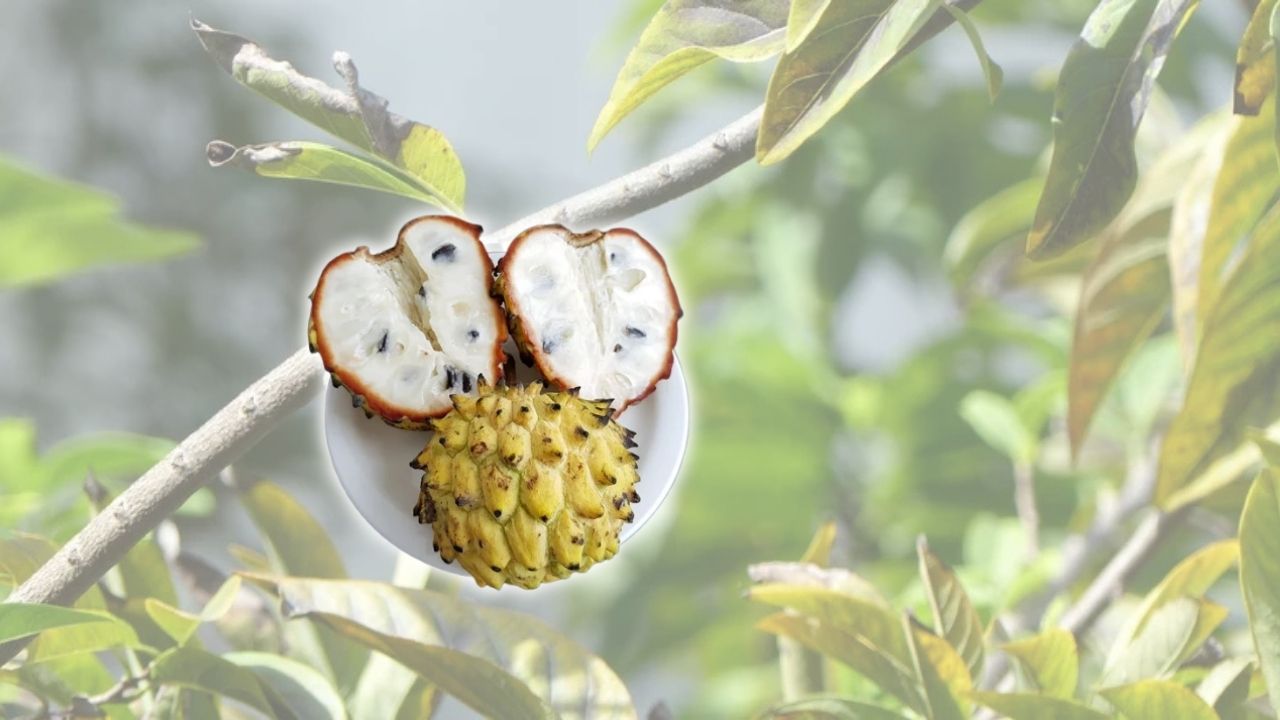
Rollinia, often called the lemon meringue pie fruit because of its creamy texture and sweet, tangy flavor, is a fascinating tropical fruit tree that deserves a place in any warm-climate garden. Native to the Amazon rainforest, Rollinia produces bright yellow fruits with soft, spiky skin and smooth white flesh that melts in your mouth. Although it is less common than mangoes or avocados, this unique tree rewards gardeners with abundant harvests when given the right growing conditions.
Growing Rollinia from seed to a productive fruit-bearing tree requires patience, warmth, and consistent care. Fortunately, the tree grows quickly in tropical and subtropical climates and can begin producing fruit within just a few years. Whether you are planting your first seed or caring for a mature tree, understanding its needs will help ensure healthy growth and generous harvests year after year.
Understanding the Rollinia Tree
Rollinia (Rollinia deliciosa), now often classified botanically as Annona mucosa, belongs to the custard apple family. It is closely related to cherimoya, soursop, sugar apple, and atemoya. The tree is known for its rapid growth, lush green foliage, and attractive appearance.
Under favorable conditions, Rollinia trees typically reach 20 to 40 feet in height, though regular pruning can keep them much smaller for easier harvesting. The tree develops a rounded canopy with long, glossy leaves and produces fragrant flowers that eventually develop into large, heart-shaped fruits weighing between one and four pounds.
Because Rollinia is naturally adapted to rainforest environments, it thrives in warm temperatures, high humidity, and consistently moist soil.
Best Climate for Growing Rollinia
Rollinia grows best in USDA Hardiness Zones 10 through 12, where frost is rare or nonexistent. The ideal temperature range falls between 70°F and 90°F. Growth slows considerably when temperatures fall below 60°F, and even light frost can seriously damage young trees.
High humidity encourages vigorous growth, although mature trees can tolerate moderate humidity if provided with regular irrigation. Strong winds may damage branches and flowers, so selecting a protected planting site is beneficial.
Gardeners in cooler climates can grow Rollinia in large containers that are moved indoors or into greenhouses during cold weather, although fruit production is generally more successful outdoors in tropical regions.
Starting Rollinia from Seed
Growing Rollinia from fresh seed is the most common propagation method. Since seeds lose viability quickly after removal from ripe fruit, planting them as soon as possible gives the highest germination rates.
Clean the seeds thoroughly to remove any remaining fruit pulp before sowing. Plant each seed about half an inch deep in a well-draining seed-starting mix containing compost, coconut coir, and perlite or coarse sand. Keep the soil consistently moist but never soggy.
Place the containers in a warm location with temperatures between 75°F and 90°F. Germination usually occurs within three to six weeks, although some seeds may take a little longer.
Young seedlings grow rapidly once established. They appreciate bright filtered sunlight during their first few months before gradually adapting to stronger sun exposure.
Choosing the Ideal Planting Location
A healthy Rollinia tree begins with selecting the proper location. Choose a site that receives at least six to eight hours of sunlight daily. While young trees appreciate slight afternoon shade in extremely hot climates, mature trees produce the best harvests in full sun.
The soil should drain well while retaining moderate moisture. Rich, organic soil encourages vigorous root development and steady growth. Avoid planting in areas where water remains standing after rainfall, as excessive moisture around the roots can lead to rot.
Allow adequate spacing between trees, buildings, and other large plants. A mature Rollinia benefits from at least 20 feet of space to develop a healthy canopy and receive good air circulation.
Preparing the Soil
Rollinia prefers fertile soil rich in organic matter with a slightly acidic to neutral pH between 5.5 and 7.0. Improving the soil before planting creates an ideal environment for long-term growth.
Mix generous amounts of compost or well-aged manure into the planting area. Organic matter improves drainage while increasing moisture retention and nutrient availability.
If your soil is heavy clay, incorporate coarse sand and compost to improve aeration. Sandy soils benefit from additional compost, which helps retain moisture during dry periods.
Mulching around the base of the tree with wood chips, leaves, or bark conserves moisture, regulates soil temperature, and gradually enriches the soil as it decomposes.
Planting Young Rollinia Trees
Transplant seedlings once they have developed several sets of true leaves and sturdy stems. Dig a planting hole twice as wide as the root ball but no deeper than the container.
Position the tree so the top of the root ball sits level with the surrounding soil. Fill the hole carefully, gently firming the soil around the roots without excessive compaction.
Water thoroughly after planting to eliminate air pockets and help the roots establish. During the first year, maintain evenly moist soil while avoiding waterlogged conditions.
Adding a thick mulch layer around the tree, while keeping it several inches away from the trunk, helps conserve moisture and suppress weeds.
Watering Requirements
Consistent moisture is essential for healthy Rollinia growth. Young trees require regular watering several times each week during dry weather. Deep watering encourages strong root systems capable of supporting rapid growth.
Mature trees tolerate short dry periods better but produce significantly larger crops when supplied with steady moisture throughout flowering and fruit development.
Reduce watering during prolonged rainy periods to prevent root diseases. Drip irrigation or slow deep watering works better than frequent shallow watering because it encourages deeper root growth.
Container-grown Rollinia trees require more frequent watering since potting soil dries out faster than garden soil.
Fertilizing for Fast Growth and Heavy Harvests
Rollinia responds well to regular feeding throughout the growing season. Young trees benefit from balanced fertilizers containing equal amounts of nitrogen, phosphorus, and potassium. Apply smaller amounts every six to eight weeks during active growth.
As trees mature, increasing potassium supports flowering and fruit production while maintaining moderate nitrogen encourages healthy foliage without excessive leafy growth.
Organic fertilizers such as compost, worm castings, fish emulsion, and well-rotted manure gradually improve soil fertility while supporting beneficial microorganisms.
Micronutrients including magnesium, zinc, iron, and manganese are also important, particularly in alkaline soils where deficiencies may develop.
Pruning and Tree Maintenance
Although Rollinia naturally develops an attractive canopy, regular pruning improves both tree health and fruit production. Begin shaping young trees early by encouraging several strong scaffold branches.
Remove dead, damaged, or crossing branches annually to improve sunlight penetration and air circulation throughout the canopy. Light thinning also reduces disease pressure and makes harvesting easier.
Keeping the tree at a manageable height allows easier maintenance while reducing the risk of storm damage. Pruning immediately after harvest gives the tree plenty of time to recover before the next flowering season.
Always use clean, sharp pruning tools to minimize the spread of diseases.
Pollination and Fruit Development
Rollinia flowers contain both male and female parts, but natural pollination can sometimes be inconsistent. Beetles and other insects serve as primary pollinators in many tropical regions.
If fruit set appears low, hand pollination can significantly improve production. Using a small soft brush, collect pollen from freshly opened flowers and transfer it to receptive flowers during the appropriate stage of bloom.
Once pollinated successfully, fruits grow rapidly and usually mature within three to five months depending on climate and growing conditions.
Common Pests and Diseases
Rollinia is generally considered a relatively low-maintenance fruit tree, but occasional pest problems can occur. Aphids, scale insects, mealybugs, fruit flies, and spider mites may feed on leaves, flowers, or developing fruit.
Regular inspections allow early intervention before infestations become severe. Washing insects off with water, encouraging beneficial insects, and applying horticultural oils when necessary usually provide effective control.
Good sanitation helps reduce fungal diseases. Remove fallen fruit, prune crowded branches, and avoid overhead watering whenever possible.
Healthy trees grown in well-drained soil with balanced nutrition naturally resist many common diseases.
Harvesting Rollinia Fruit
Knowing when to harvest Rollinia is important because the fruit ripens quickly. Mature fruits change from green to bright yellow, and the soft projections on the skin become more flexible. The fruit should yield slightly when gently pressed.
Harvest carefully by cutting the stem rather than pulling the fruit from the tree. Fully ripe Rollinia has an exceptionally short storage life and is best enjoyed within a few days.
The creamy flesh is commonly eaten fresh with a spoon, blended into smoothies, or used in desserts, ice cream, and fruit salads.
Because ripe fruits bruise easily, handle them gently during harvesting and transportation.
Tips for Achieving Heavy Harvests
Consistent care throughout the year is the key to maximizing Rollinia production. Plant trees in full sun, maintain fertile soil, water deeply during dry periods, and fertilize regularly with balanced nutrients. Protect young trees from frost and strong winds while encouraging healthy branch development through careful pruning.
Mulching, maintaining proper spacing, and monitoring for pests all contribute to stronger trees capable of supporting large fruit crops. Patience is equally important, as young trees need time to establish before reaching peak productivity.
With proper care, a mature Rollinia tree can reward gardeners with abundant harvests of delicious tropical fruit for many years, making it one of the most unique and satisfying additions to a warm-climate home orchard.
