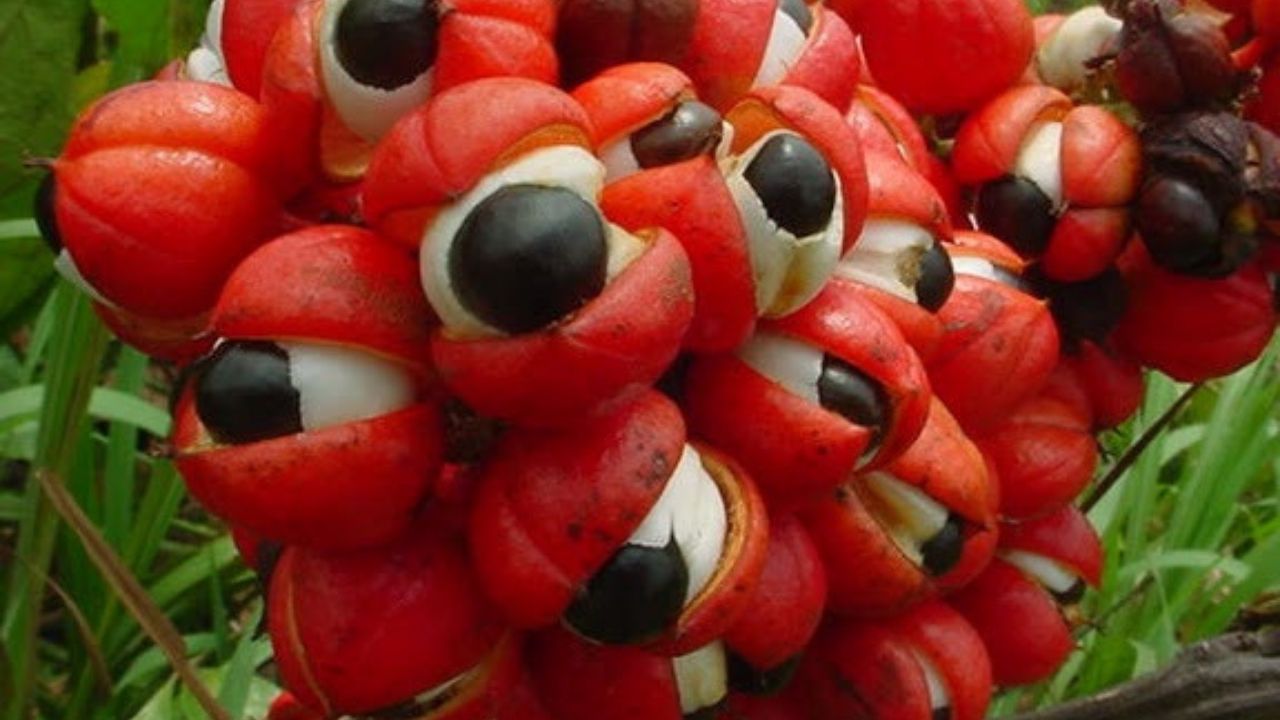
Guarana is a fascinating tropical climbing plant that is best known for its energy-rich seeds and lush evergreen foliage. Native to the Amazon rainforest, this vigorous vine thrives in warm, humid climates where it naturally climbs trees and shrubs. Its scientific name is Paullinia cupana, and it has been cultivated for centuries due to its medicinal, nutritional, and commercial value. Beyond its famous seeds, guarana is also admired for its ornamental beauty, featuring glossy green leaves, delicate flower clusters, and striking red fruits that split open to reveal shiny black seeds surrounded by white flesh.
Growing guarana at home can be a rewarding experience for gardeners living in tropical or frost-free regions. While it requires patience before reaching full productivity, proper care ensures healthy vines, abundant flowering, and consistent fruit production. Understanding its environmental needs is the key to successfully cultivating this unique rainforest plant.
Choosing the Best Location
Guarana grows best in warm, humid environments with consistent temperatures between 70°F and 90°F (21°C to 32°C). It is unsuitable for areas that experience frost, as even brief exposure to freezing temperatures can damage or kill the plant.
Select a location that receives bright, filtered sunlight or partial shade. In its native habitat, guarana often grows beneath taller trees, making it naturally adapted to dappled light. While mature plants can tolerate more direct morning sunlight, harsh afternoon sun may scorch young leaves, particularly during hot summers.
Because guarana is a climbing vine, it also requires strong vertical support such as a trellis, pergola, arbor, or sturdy fence. Providing support encourages better air circulation, healthier growth, and easier harvesting.
Soil Requirements
Healthy soil is one of the most important factors for successful guarana cultivation. The plant prefers fertile, loose, and well-drained soil rich in organic matter. Heavy clay soils should be improved with compost, aged manure, coarse sand, or leaf mold to enhance drainage and root development.
An ideal soil pH ranges between 5.0 and 6.5, making slightly acidic soil the preferred growing medium. Organic amendments help maintain soil fertility while improving moisture retention without causing waterlogging.
Before planting, loosen the soil to a depth of about 18 inches and mix in generous amounts of compost. This creates an ideal environment for vigorous root establishment during the early stages of growth.
How to Plant Guarana
Guarana can be grown from fresh seeds, rooted cuttings, or nursery-grown plants. Seeds should be planted soon after harvesting because they lose viability relatively quickly. Soaking seeds in warm water for 24 hours before sowing may improve germination.
Plant seeds about one inch deep in moist seed-starting mix and keep the growing medium consistently warm and humid. Germination usually occurs within several weeks under favorable conditions.
If planting young nursery plants, dig a hole slightly larger than the root ball and position the plant at the same depth it was growing previously. Fill the hole with enriched soil, water thoroughly, and apply mulch around the base while keeping it away from the stem.
Space multiple plants approximately 10 to 15 feet apart to provide enough room for climbing growth and good air circulation.
Watering for Healthy Growth
Guarana naturally grows in rainforest conditions where moisture is consistently available. Regular watering is essential, particularly during the first two years after planting when roots are still developing.
Keep the soil evenly moist but never soggy. Water deeply whenever the top inch of soil begins to dry. Deep watering encourages stronger root systems that are more resistant to occasional dry spells.
Mulching around the base with shredded bark, straw, or compost helps conserve soil moisture, regulate temperature, and suppress weed growth. During prolonged periods of drought, increase watering frequency to prevent stress.
Container-grown guarana plants require more frequent watering because pots dry out faster than garden soil.
Fertilizing for Vigorous Vines and Better Flowering
Guarana benefits from regular feeding throughout its active growing season. Begin fertilizing in early spring as new growth appears and continue every six to eight weeks until early autumn.
Balanced organic fertilizers containing nitrogen, phosphorus, and potassium support healthy foliage, flowering, and fruit production. Compost, well-rotted manure, fish emulsion, and slow-release organic fertilizers all work well.
As plants mature, slightly reducing nitrogen while increasing phosphorus and potassium encourages better flowering and fruit set instead of excessive leafy growth.
Avoid excessive fertilization, as overfeeding can weaken flowering and make vines more susceptible to pests.
Providing Support and Pruning
Since guarana is naturally a climbing vine, providing sturdy support is essential for proper development. Strong trellises or pergolas allow vines to spread evenly while maximizing sunlight exposure.
Regular pruning helps maintain shape, improve airflow, and encourage productive growth. Remove weak, damaged, crossing, or diseased stems whenever they appear.
After fruiting, lightly trim long vines to encourage branching and promote more flowering sites for the following season. Avoid severe pruning all at once, as excessive removal of healthy growth can temporarily reduce productivity.
Guiding young shoots onto their support structure early makes training much easier as the vine matures.
Flowering and Fruit Production
Guarana typically begins flowering several years after planting, depending on growing conditions and propagation method. Plants grown from cuttings often reach maturity sooner than those started from seed.
Small clusters of creamy white flowers appear during the warm growing season. These attractive blossoms eventually develop into bright red fruits that split open when fully ripe. The opened fruit reveals glossy black seeds partially covered by white tissue, giving them the appearance of tiny eyes.
Consistent watering, balanced fertilization, warm temperatures, and adequate sunlight all contribute to improved flowering and higher fruit yields.
Patience is important, as guarana is a long-term investment that becomes increasingly productive with age.
Growing Guarana in Containers
Although guarana performs best in the ground, it can also be grown successfully in large containers, especially in regions where winter temperatures fall below freezing.
Choose a pot with excellent drainage and use a rich, well-draining potting mix containing compost, coconut coir, and coarse perlite or bark. Install a sturdy trellis inside or beside the container to support climbing stems.
Container plants require more frequent watering and feeding than garden-grown specimens because nutrients wash out more quickly.
In cooler climates, move containers indoors or into a greenhouse before temperatures drop below 50°F (10°C). Place the plant near a bright window where it receives plenty of indirect sunlight.
Common Pests and Diseases
Guarana is generally a resilient plant but may occasionally experience problems with aphids, spider mites, mealybugs, scale insects, and whiteflies. These pests feed on plant sap, causing curling leaves, yellowing, and reduced vigor.
Inspect plants regularly, particularly the undersides of leaves and young shoots. Most infestations can be managed with insecticidal soap, neem oil, or a strong spray of water.
Fungal diseases such as root rot, leaf spots, and mildew usually result from excessive moisture, poor drainage, or inadequate air circulation.
Maintaining proper spacing, avoiding overhead watering, pruning crowded growth, and using well-drained soil significantly reduce disease risks.
Seasonal Care Throughout the Year
Spring is the primary season for planting, fertilizing, and encouraging vigorous new growth. As temperatures rise, vines begin producing fresh shoots and preparing for flowering.
Summer requires consistent watering, regular feeding, and monitoring for insect activity. Mulch should be replenished if necessary to conserve moisture during hot weather.
Autumn is often the harvest season for mature plants. Continue watering as needed while gradually reducing fertilizer applications as growth slows.
Winter care depends on climate. In tropical regions, growth may continue year-round with slightly reduced activity. In cooler climates, protect container plants indoors and reduce watering until warmer weather returns.
Harvesting Guarana Seeds
Mature fruits naturally split open when ready for harvest. This is the ideal stage to collect them, as the seeds have reached full maturity.
After harvesting, remove the outer fruit covering and clean the seeds thoroughly. Traditionally, seeds are dried before storage or processing. Proper drying prevents mold and preserves quality.
Home gardeners may save some seeds for propagation while using others for culinary or educational purposes. Fresh seeds intended for planting should be sown promptly to maximize germination rates.
Tips for Faster Growth and Better Blooming
Healthy guarana plants develop faster when their natural rainforest conditions are closely replicated. Warm temperatures, consistent humidity, fertile soil, and reliable moisture encourage continuous growth.
Planting in nutrient-rich soil from the beginning provides a strong foundation for future flowering. Applying organic mulch helps maintain even soil moisture while gradually improving fertility as it decomposes.
Providing sturdy climbing support early allows vines to develop naturally and receive better light exposure. Regular pruning of weak or overcrowded growth improves air circulation and directs the plant’s energy toward producing flowers and fruits.
Consistent feeding with balanced fertilizers, avoiding drought stress, protecting the plant from frost, and monitoring for pests all contribute to healthier vines and earlier flowering. With patience and attentive care, guarana becomes a productive, attractive tropical plant that rewards gardeners with lush foliage, beautiful fruit, and valuable seeds for many years.
