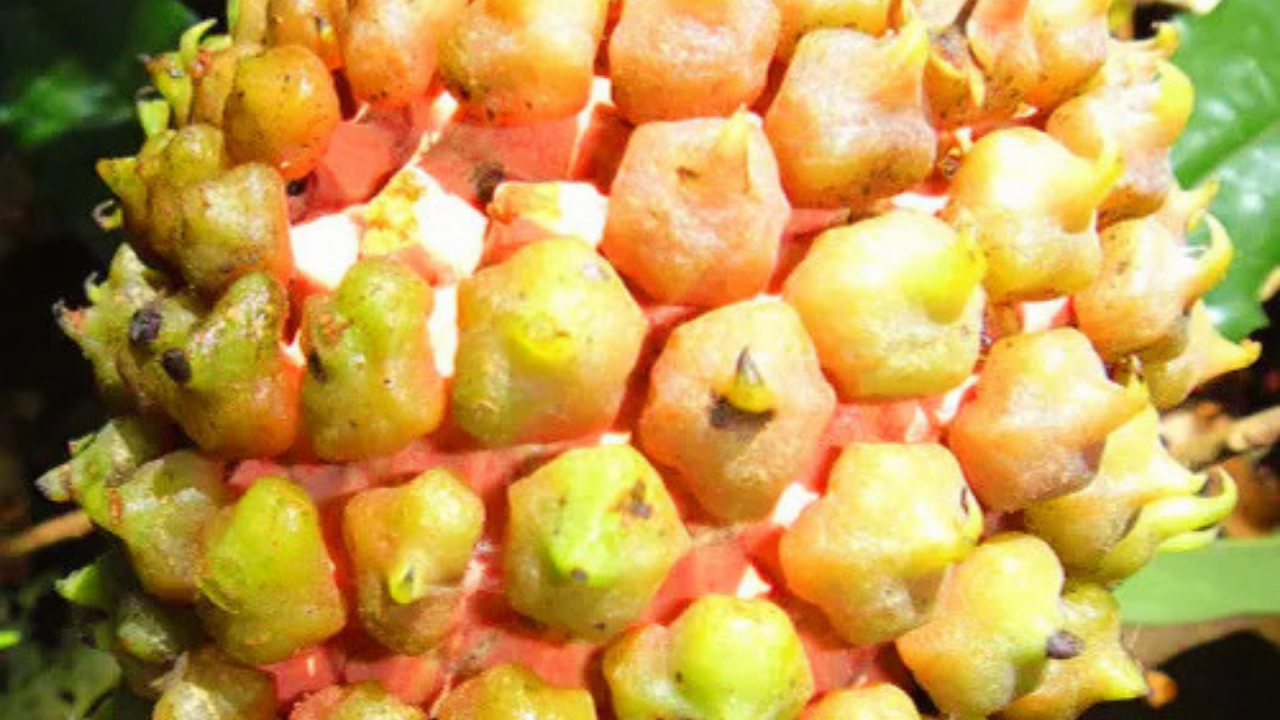
Duguetia is a fascinating group of tropical trees and shrubs belonging to the Annonaceae family, the same family as custard apple, soursop, and cherimoya. Native to the rainforests of Central and South America, these plants are admired for their lush evergreen foliage, fragrant flowers, and unusual fruits. While some species are grown for ornamental value, others are appreciated for their edible fruits or their ecological importance in tropical forests.
Growing Duguetia successfully requires recreating the warm, humid conditions of its native habitat. Although it is less common in home gardens than other tropical fruit trees, gardeners who provide the right environment are rewarded with healthy growth and an attractive specimen plant. Whether planted in a tropical landscape or maintained in a large container, Duguetia can become a unique addition to any collection.
Choosing the Right Climate
Climate is one of the most important factors in growing Duguetia successfully. These tropical plants thrive in consistently warm temperatures throughout the year. Ideal daytime temperatures range between 70°F and 90°F (21°C to 32°C), while nighttime temperatures should remain above 60°F (16°C).
Duguetia is highly sensitive to frost. Even a brief exposure to freezing temperatures can damage leaves, branches, or roots. Gardeners living outside tropical or subtropical regions should consider growing the plant in a container that can be moved indoors or into a greenhouse during colder months.
High humidity also plays a significant role in healthy growth. Humidity levels above 60 percent help prevent leaf browning and encourage vigorous development. In dry climates, occasional misting or using a humidifier around container-grown plants can improve growing conditions.
Selecting the Best Planting Location
A carefully chosen planting site helps establish a strong and healthy tree. Duguetia prefers bright light but benefits from protection during the hottest afternoon hours, especially in regions with intense summer sun. Young plants often grow best in partial shade before gradually adapting to increased sunlight as they mature.
When planting outdoors, select a sheltered location protected from strong winds. Wind can damage the large leaves, dry out the soil quickly, and interfere with flowering. A location near taller trees or structures that provide filtered light often creates ideal growing conditions.
Allow enough room for mature growth since many Duguetia species eventually develop broad canopies and extensive root systems.
Soil Requirements for Healthy Growth
Duguetia grows best in rich, fertile soil with excellent drainage. Heavy clay soils that remain wet for long periods should be improved before planting, as standing water may lead to root rot.
A well-balanced soil mixture contains garden loam enriched with organic matter such as compost, aged manure, or leaf mold. Organic materials improve both drainage and moisture retention while supplying valuable nutrients over time.
The preferred soil pH ranges from slightly acidic to neutral, generally between 5.8 and 7.0. If the soil is highly alkaline, nutrient deficiencies may develop, causing pale leaves and slower growth.
Adding a layer of organic mulch around the base of the plant helps maintain even soil moisture, regulates temperature, and gradually enriches the soil as it decomposes.
Planting Duguetia Successfully
The best planting time is during the warm season when temperatures remain consistently mild. Warm soil encourages rapid root establishment before any seasonal changes occur.
Dig a planting hole approximately twice as wide as the root ball but no deeper than its height. Position the plant so the top of the root ball remains level with the surrounding soil surface. Backfill gently while removing air pockets without compacting the soil excessively.
Water thoroughly immediately after planting to settle the soil around the roots. Applying a generous layer of mulch while keeping it several inches away from the trunk helps retain moisture and reduces weed competition.
Container-grown specimens should be planted in large pots with multiple drainage holes. Choose a container that provides adequate room for future root development.
Watering Requirements Throughout the Year
Consistent moisture is essential during the establishment period. Newly planted Duguetia should receive regular watering to keep the soil evenly moist without becoming saturated.
Once established, mature plants tolerate short dry periods better but still perform best with regular irrigation. Deep watering encourages roots to grow downward, increasing drought tolerance and overall stability.
During periods of high heat or prolonged drought, watering may need to be increased. Conversely, reduce irrigation during cooler weather when evaporation slows.
Always check the soil before watering. The top inch should begin to dry slightly before the next irrigation. Constantly soggy soil deprives roots of oxygen and encourages fungal diseases.
Container-grown plants generally require more frequent watering because potting mixes dry faster than garden soil.
Fertilizing for Strong Growth and Fruiting
Regular feeding supports healthy foliage, flowering, and fruit production. A balanced slow-release fertilizer formulated for tropical fruit trees works well during the active growing season.
Young plants benefit from lighter but more frequent applications, while mature trees can receive fertilizer every two to three months throughout spring and summer.
Organic fertilizers such as compost, worm castings, fish emulsion, or well-aged manure gradually release nutrients while improving soil health. Combining organic matter with balanced mineral fertilizers often provides excellent long-term results.
Avoid excessive nitrogen applications, as they may produce abundant leafy growth while reducing flowering and fruit development.
Light Requirements
Proper lighting encourages vigorous growth and improved flowering. Mature Duguetia trees generally perform best with six to eight hours of bright light each day.
In extremely hot climates, filtered afternoon shade helps protect young plants from heat stress and leaf scorch. Indoor specimens should be placed near the brightest available window or under supplemental grow lights if natural light is limited.
Rotating container-grown plants periodically promotes balanced growth and prevents leaning toward the light source.
Temperature and Humidity Needs
Duguetia thrives in warm, stable temperatures without sudden fluctuations. Extended exposure to temperatures below 50°F (10°C) can slow growth considerably, while freezing conditions may prove fatal.
Humidity remains equally important throughout the year. Tropical conditions encourage healthy foliage, reduce moisture loss, and support normal flowering.
Gardeners in dry regions can improve humidity by grouping tropical plants together, using pebble trays beneath containers, or watering surrounding surfaces during particularly hot weather.
Pruning and Routine Maintenance
Pruning helps maintain an attractive shape while encouraging healthy branching. The best time to prune is after active growth or following fruit harvest, depending on the species.
Remove dead, damaged, crossing, or diseased branches whenever they appear. Light thinning allows better air circulation throughout the canopy, reducing disease pressure and improving sunlight penetration.
Avoid severe pruning unless necessary, as excessive removal of branches may temporarily reduce flowering and fruit production.
Regular maintenance also includes removing weeds, refreshing mulch, inspecting leaves for pests, and monitoring overall plant health.
Propagating Duguetia
Duguetia can be propagated through seeds, cuttings, air layering, and occasionally grafting, although seed propagation remains the most common method.
Fresh seeds usually germinate more successfully than older ones because viability declines with storage. After cleaning the seeds, soak them in warm water for about 24 hours before planting to improve germination.
Sow seeds in a well-draining propagation mix and keep them consistently warm and moist. Germination may take several weeks or even a few months depending on the species and environmental conditions.
Semi-hardwood cuttings can root under high humidity with rooting hormone, although success rates vary. Air layering often produces stronger young plants while preserving the characteristics of the parent tree.
Common Pests and Diseases
Healthy Duguetia plants are generally resilient but may occasionally encounter common tropical garden pests. Aphids, scale insects, spider mites, mealybugs, and whiteflies can feed on leaves and stems, particularly on stressed plants.
Regular inspections allow early detection before infestations become severe. Washing insects away with water or treating affected areas with horticultural oil or insecticidal soap usually controls minor outbreaks effectively.
Poor drainage creates favorable conditions for root rot and fungal infections. Maintaining proper soil drainage, avoiding overwatering, and ensuring adequate air circulation greatly reduce disease problems.
Leaf spot diseases occasionally develop during prolonged periods of high humidity, especially when foliage remains wet for extended periods.
Encouraging Flowers and Fruit Production
Healthy flowering depends on consistent warmth, sufficient sunlight, balanced nutrition, and proper watering. Mature plants naturally flower during favorable growing conditions, although exact timing varies among species.
Avoid sudden environmental stress during the flowering season, as drought, excessive pruning, or nutrient imbalances may reduce blossom production.
Pollinating insects often assist with fruit set outdoors. In enclosed greenhouses or indoor environments, gentle hand pollination may improve fruit development if natural pollinators are absent.
Patience is essential because seed-grown trees may require several years before reaching flowering and fruiting maturity.
Growing Duguetia in Containers
Container cultivation allows gardeners outside tropical climates to enjoy Duguetia while protecting it from cold weather. Choose a spacious container with excellent drainage and use a premium tropical plant potting mix enriched with compost.
Repot every two to three years or whenever roots become crowded. Gradually increase container size rather than moving immediately to an oversized pot, which may retain excessive moisture.
Place the container in a sunny location during warm months and move it indoors before temperatures become too cool. Continue providing bright light, moderate watering, and stable humidity throughout winter.
Long-Term Care and Growing Success
Growing Duguetia successfully depends on understanding its tropical origins and providing consistent care throughout the year. Warm temperatures, fertile well-drained soil, regular moisture, balanced fertilization, and high humidity all contribute to vigorous growth and long-term health.
Although this remarkable tropical tree requires more attention than many common garden plants, its lush foliage, fragrant flowers, and distinctive fruits make the effort worthwhile. With patience and proper care, Duguetia can become an impressive ornamental specimen or productive fruit tree that continues to thrive for many years.
