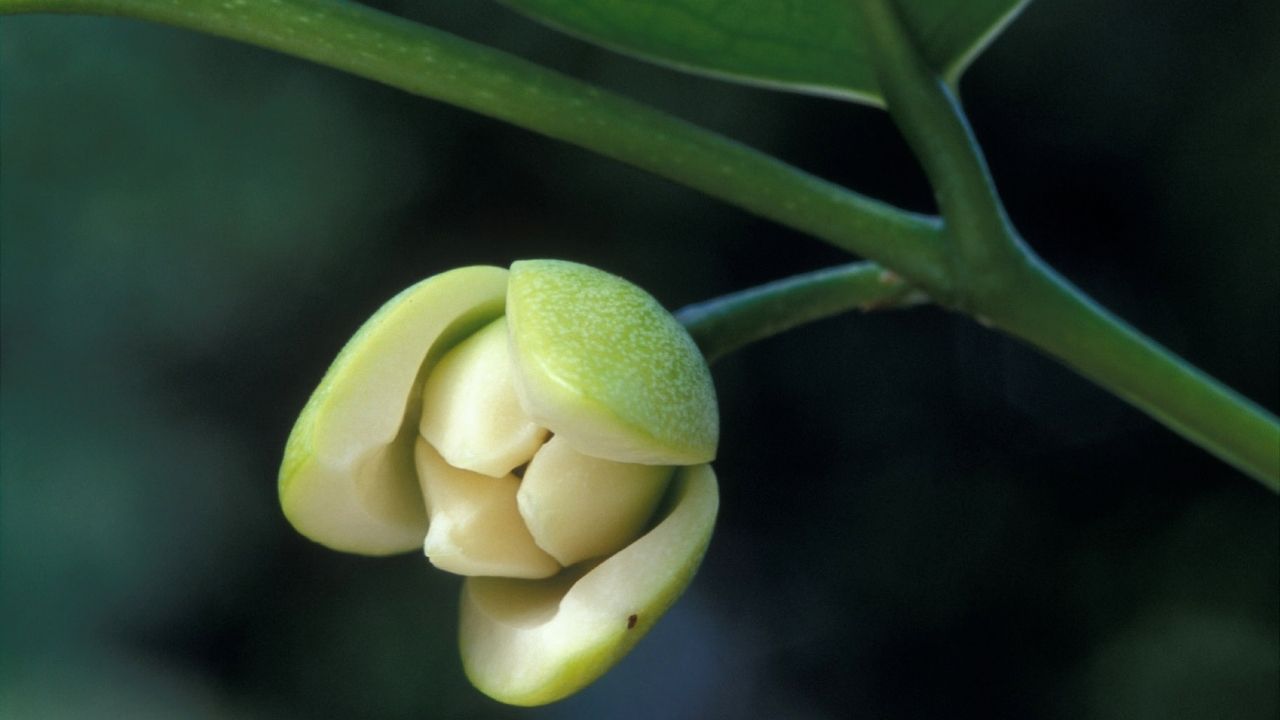
Anaxagorea javanica is a fascinating tropical plant admired for its lush evergreen foliage, elegant growth habit, and unique flowers and fruits. As a member of the Annonaceae family, it naturally grows in warm, humid rainforests where it enjoys rich soils, filtered sunlight, and consistent moisture. While it is considered uncommon in cultivation, dedicated gardeners can successfully grow this beautiful species by recreating its natural environment. Whether planted in a tropical landscape, botanical collection, or spacious container, Anaxagorea javanica rewards careful attention with healthy foliage and vigorous growth.
Understanding its preferred climate, soil, watering routine, and seasonal care is the key to maintaining a thriving plant. Although it is not particularly difficult to grow, it performs best when protected from harsh weather and sudden environmental changes.
Understanding the Natural Habitat
Learning where Anaxagorea javanica grows in nature helps gardeners provide ideal growing conditions. Native to Southeast Asian tropical forests, this plant thrives beneath taller trees where it receives filtered sunlight instead of direct afternoon exposure. Temperatures remain warm throughout the year, humidity stays consistently high, and rainfall keeps the soil evenly moist without becoming permanently waterlogged.
Replicating these rainforest conditions in the garden greatly improves the plant’s health. A sheltered location protected from strong winds and intense sunlight encourages vigorous leaf production while reducing stress during hot weather.
Choosing the Best Planting Location
Selecting the right planting site is one of the most important decisions for long-term success. Anaxagorea javanica prefers bright, indirect light or partial shade throughout the day. Morning sunshine followed by afternoon shade provides an excellent balance between healthy growth and protection from leaf scorch.
Outdoor planting is ideal in frost-free tropical and subtropical climates. In cooler regions, growing the plant inside a greenhouse or conservatory offers the warmth and humidity it requires. If grown in a container, place it where temperatures remain stable and avoid areas exposed to cold drafts or dry indoor heating.
Providing enough space around the plant improves airflow while allowing its natural branching habit to develop without overcrowding nearby vegetation.
Climate and Temperature Requirements
Warm temperatures are essential for healthy growth. Anaxagorea javanica performs best between 20°C and 30°C. Consistent warmth encourages continuous leaf development and supports overall plant vigor throughout the growing season.
Cold weather is one of the greatest challenges for this tropical species. Temperatures below 10°C can slow growth considerably, while frost may permanently damage leaves, stems, and roots. Gardeners in cooler climates should move container-grown plants indoors before temperatures begin to fall.
Humidity levels above 60 percent help maintain glossy foliage and prevent leaf edges from drying. During dry seasons or indoors, increasing humidity through misting, pebble trays, or humidifiers creates a healthier growing environment.
Soil Requirements for Strong Root Growth
Healthy roots depend on rich, well-draining soil that retains moisture without becoming compacted. A loose growing medium rich in organic matter allows roots to spread freely while maintaining adequate oxygen around the root system.
Mixing compost, leaf mold, coconut coir, and coarse sand creates an ideal balance of moisture retention and drainage. The soil should remain slightly acidic to neutral, with a pH between 5.8 and 6.8 supporting efficient nutrient absorption.
Heavy clay soils should be improved before planting because standing water around the roots increases the risk of root rot. Raised beds or mounded planting areas can further improve drainage in regions with heavy rainfall.
How to Plant Anaxagorea javanica
Planting begins by digging a hole approximately twice as wide as the root ball while maintaining the same planting depth as the nursery container. Loosen surrounding soil and mix in generous amounts of organic compost before placing the plant into position.
Backfill carefully, gently firming the soil without excessive compaction. Water thoroughly after planting so the soil settles naturally around the roots and air pockets are eliminated.
Applying a layer of organic mulch around the base helps conserve moisture, regulate soil temperature, and gradually improve soil fertility as it decomposes. Keep mulch several centimeters away from the main stem to prevent excess moisture accumulation around the trunk.
Watering Schedule and Moisture Management
Consistent watering is essential because Anaxagorea javanica naturally grows in environments where soil rarely dries completely. The goal is to maintain evenly moist soil while avoiding prolonged waterlogging.
During active growth, water whenever the upper layer of soil begins to feel slightly dry. Deep watering encourages stronger root development compared to frequent shallow irrigation.
During cooler months, watering frequency should be reduced because growth naturally slows. Always check soil moisture before watering again, especially for container-grown plants where excess water can accumulate more easily.
Rainwater or filtered water is often beneficial if local tap water contains high mineral levels that may gradually affect soil quality.
Fertilizing for Healthy Growth
Regular feeding supports vigorous foliage, healthy roots, and overall plant development. Applying a balanced slow-release fertilizer during spring provides nutrients over an extended period without encouraging excessive soft growth.
Throughout the growing season, monthly applications of diluted liquid fertilizer can further enhance development. Organic fertilizers such as compost tea, worm castings, or well-aged compost gradually enrich the soil while improving microbial activity.
Avoid excessive nitrogen applications because rapid leafy growth may become weak and more susceptible to pests. Balanced nutrition promotes stronger stems and healthier overall structure.
Light Requirements Throughout the Year
Light intensity has a direct influence on leaf quality and growth rate. Bright filtered light closely resembles the conditions beneath rainforest canopies where this species naturally grows.
Too much direct afternoon sunlight can scorch leaves, causing brown edges and faded coloration. On the other hand, extremely low light may result in slower growth and elongated stems searching for additional light.
Container-grown plants should occasionally be rotated to encourage symmetrical growth and prevent one side from becoming stretched toward the light source.
Pruning and Routine Maintenance
Anaxagorea javanica requires relatively little pruning. Most maintenance involves removing dead, damaged, or diseased branches to improve airflow and maintain an attractive appearance.
Light shaping after active growth helps preserve a balanced form without removing excessive foliage. Sterilized pruning tools reduce the risk of transmitting diseases between plants.
Regular inspection allows gardeners to remove yellowing leaves, monitor new growth, and identify any developing problems before they become serious.
Propagation Methods
Propagation is usually accomplished through fresh seeds collected from mature fruits. Seeds generally germinate best when planted soon after harvesting because viability declines during storage.
Use a well-draining seed-starting mix and maintain warm temperatures with consistently moist soil. Germination may require patience, as tropical species often emerge slowly.
Young seedlings benefit from bright filtered light and protection from direct sun until they develop stronger root systems and multiple sets of leaves.
Propagation through cuttings is generally less reliable and often requires specialized conditions to achieve successful rooting.
Common Pests and Diseases
Healthy plants grown under proper conditions are relatively resistant to major problems, but occasional pests may appear. Aphids, mealybugs, scale insects, and spider mites are among the most common visitors, especially on stressed or indoor-grown plants.
Routine inspections make early treatment much easier. Washing foliage with water or applying insecticidal soap usually controls minor infestations before they spread.
Excessive moisture around the roots can encourage fungal diseases and root rot. Good drainage, moderate watering, and proper airflow significantly reduce these risks.
Removing fallen leaves and keeping the growing area clean also minimizes disease pressure throughout the year.
Growing Anaxagorea javanica in Containers
Container cultivation offers flexibility for gardeners living outside tropical climates. Choose a pot with multiple drainage holes and use a premium tropical plant mix enriched with compost and coarse drainage materials.
Repot every two to three years or whenever roots begin circling inside the container. Selecting a slightly larger pot encourages continued root development without leaving excessive unused soil that stays wet for long periods.
Container plants usually require more frequent watering and fertilizing because nutrients are gradually washed from the potting mix through regular irrigation.
Seasonal Care Tips
Spring marks the beginning of active growth, making it the ideal time for fertilizing, repotting, and planting. Summer requires close attention to watering, humidity, and protection from harsh afternoon sunlight.
Autumn is a good period to gradually reduce fertilizer applications while monitoring changing temperatures. Winter care focuses on maintaining warmth, reducing watering slightly, and protecting the plant from cold damage.
Indoor plants should continue receiving bright filtered light throughout winter to support healthy foliage until active growth resumes.
Long-Term Care for a Healthy Plant
Maintaining Anaxagorea javanica successfully comes down to consistency rather than complicated care routines. Stable temperatures, evenly moist soil, high humidity, rich organic soil, and filtered sunlight closely mimic the tropical forests where the species naturally flourishes.
With regular watering, balanced nutrition, occasional pruning, and protection from cold weather, this uncommon tropical plant develops into an attractive evergreen specimen that enhances any tropical garden or indoor plant collection. Patience and attentive care allow Anaxagorea javanica to establish a strong root system and produce lush, healthy foliage that remains beautiful throughout the year.
