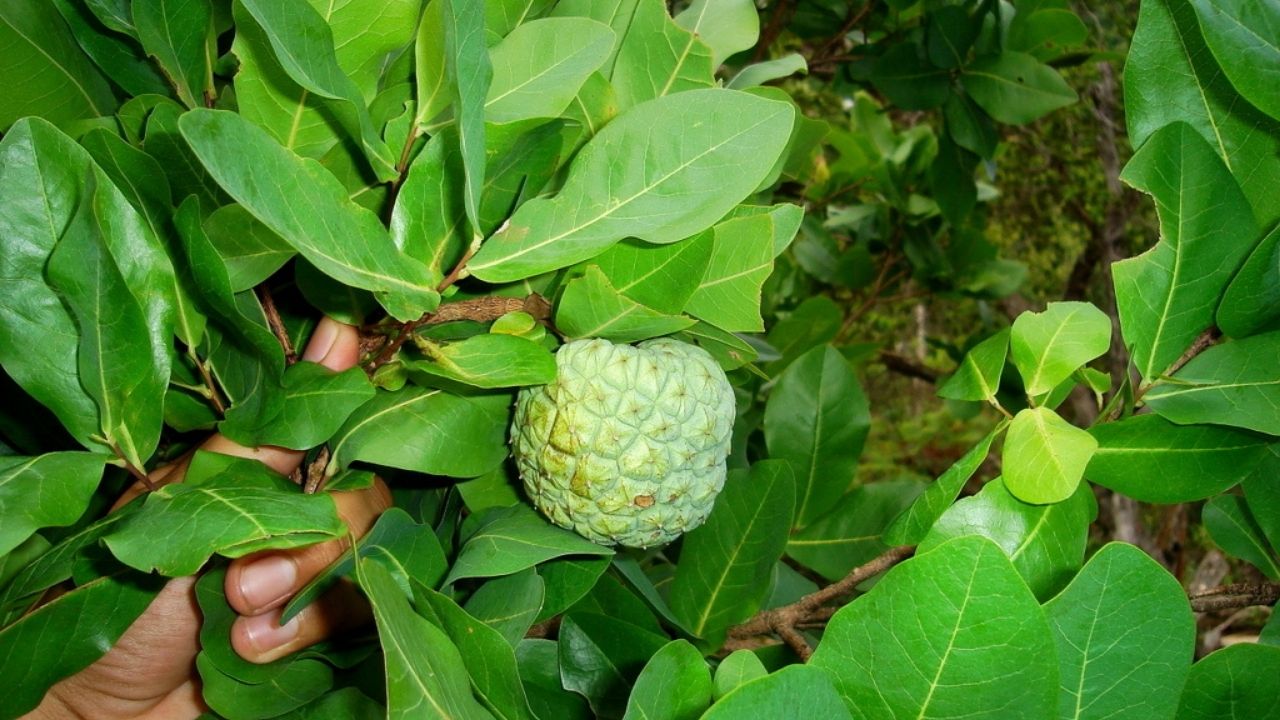
Duguetia phaeoclados is a rare tropical tree belonging to the Annonaceae family, a group that includes many well-known fruiting and flowering species. Native to warm rainforest environments, this unusual plant is admired for its lush green foliage, naturally elegant form, and ability to thrive in humid tropical climates. Although it is not commonly grown in home gardens, plant collectors and tropical gardening enthusiasts appreciate Duguetia phaeoclados for its botanical uniqueness and attractive appearance.
Growing this species successfully requires recreating the conditions of its natural habitat. Warm temperatures, rich organic soil, consistent moisture, and filtered sunlight all contribute to healthy growth. With proper care and patience, this tropical tree can become a striking addition to botanical gardens, conservatories, and frost-free landscapes.
Choosing the Ideal Climate
Climate plays the most important role in the successful cultivation of Duguetia phaeoclados. This species naturally grows in tropical rainforests where temperatures remain warm throughout the year and humidity stays consistently high.
The ideal temperature range is between 22°C and 30°C (72°F to 86°F). Growth slows noticeably when temperatures fall below 18°C (64°F), while exposure to frost can permanently damage or kill the plant. Gardeners living in cooler regions should grow it inside a greenhouse or large container that can be moved indoors during cold weather.
Humidity levels above 60 percent encourage lush foliage and vigorous development. In dry climates, occasional misting, pebble trays, or a humidifier can help maintain adequate moisture around the plant.
Selecting the Best Planting Location
Choosing the right planting site greatly influences long-term success. Duguetia phaeoclados prefers locations with bright, filtered sunlight similar to the dappled shade found beneath rainforest canopies.
Morning sunlight combined with afternoon shade provides ideal growing conditions. Young plants are particularly sensitive to harsh midday sun, which may scorch tender leaves and slow development.
When planting outdoors, select an area protected from strong winds. Constant wind can dry the foliage, reduce humidity around the plant, and stress newly established trees.
Indoor growers should position the container near a bright east-facing or south-facing window where the plant receives plenty of indirect light without prolonged exposure to intense afternoon sun.
Soil Requirements for Healthy Growth
Healthy roots begin with the right soil. Duguetia phaeoclados performs best in loose, fertile, and well-drained soil rich in organic matter.
A slightly acidic to neutral pH between 5.8 and 6.8 is generally ideal. Heavy clay soils should be improved with compost, leaf mold, coarse sand, or fine bark to increase drainage and prevent waterlogging.
An excellent planting mix includes quality garden soil blended with compost, coco coir or peat moss, and coarse sand or perlite. This combination retains sufficient moisture while allowing excess water to drain freely.
Rich organic matter also supplies beneficial microorganisms that improve root health and nutrient availability.
How to Plant Duguetia phaeoclados
Planting should ideally take place during warm weather when temperatures remain consistently above 20°C (68°F). Warm soil encourages faster root establishment and reduces transplant stress.
Dig a planting hole approximately twice as wide as the root ball but no deeper than its original container. Place the tree carefully into the hole, ensuring the top of the root ball remains level with the surrounding soil surface.
Backfill with enriched soil, gently firming it around the roots to remove large air pockets without excessive compaction.
Water thoroughly after planting so the soil settles evenly around the roots. Applying a layer of organic mulch around the base helps conserve moisture, regulate soil temperature, and suppress weed growth. Leave a small gap between the mulch and the trunk to reduce the risk of rot.
Watering Requirements Throughout the Year
Consistent moisture is essential for Duguetia phaeoclados, especially during its establishment period. The soil should remain evenly moist but never saturated.
Young plants typically require more frequent watering than mature trees because their developing root systems dry out more quickly. During warm growing seasons, watering once or twice each week is often sufficient depending on rainfall and soil type.
Before watering, check the top few centimeters of soil. If it feels slightly dry, water deeply until moisture reaches the root zone.
Reduce watering during cooler months when growth naturally slows. Avoid allowing the soil to remain constantly wet, as prolonged waterlogging encourages root diseases and fungal infections.
Fertilizing for Vigorous Growth
Regular feeding helps maintain healthy foliage, steady growth, and strong root development.
Apply a balanced slow-release fertilizer during spring and early summer when active growth begins. Organic fertilizers such as compost, well-aged manure, fish emulsion, or worm castings provide gentle nutrition while improving soil quality.
Container-grown plants may benefit from monthly applications of diluted liquid fertilizer throughout the growing season.
Avoid excessive nitrogen, which can encourage soft leafy growth at the expense of overall plant strength. Always reduce feeding during winter when growth slows considerably.
Maintaining Proper Humidity
Because Duguetia phaeoclados evolved in rainforest environments, maintaining humidity significantly improves plant health.
Outdoor plants growing in naturally humid climates rarely require additional attention. Indoor specimens, however, often benefit from regular humidity support.
Grouping tropical plants together naturally raises humidity levels. Placing the pot on a tray filled with pebbles and water also helps create a more favorable microclimate.
Occasional gentle misting can refresh foliage, although maintaining ambient humidity is generally more effective than frequent spraying.
Pruning and Routine Maintenance
This species generally develops an attractive natural shape with minimal pruning.
Routine maintenance mainly involves removing dead, damaged, crossing, or diseased branches. Light pruning after active growth helps maintain a balanced canopy while encouraging healthy air circulation.
Always use clean, sharp pruning tools to minimize the risk of introducing diseases.
Regularly remove fallen leaves and other organic debris from around the base of the plant, particularly in humid environments where fungal diseases may develop.
Growing Duguetia phaeoclados in Containers
Container cultivation offers an excellent solution for gardeners outside tropical regions.
Choose a large pot with several drainage holes to prevent excess water accumulation. High-quality potting mix enriched with compost and coarse perlite provides both moisture retention and excellent drainage.
Repot every two or three years or whenever roots begin circling the container. Moving the plant into a slightly larger pot encourages continued growth without overwhelming the root system.
Container-grown plants usually require more frequent watering and fertilization because nutrients leach from the soil more quickly.
Propagation Methods
Duguetia phaeoclados is most commonly propagated from seeds, although availability can be limited due to its rarity.
Fresh seeds generally produce better germination rates than older stored seeds. Soaking seeds in warm water for approximately 24 hours before sowing helps soften the seed coat and encourages faster germination.
Plant seeds in a moist, well-drained propagation mix and maintain temperatures between 24°C and 30°C (75°F to 86°F). Consistent warmth, high humidity, and patience are essential, as germination may take several weeks or even months.
Once seedlings develop multiple sets of true leaves, they can be transplanted carefully into individual containers.
Common Pests and Diseases
Healthy plants grown under suitable conditions experience relatively few pest problems. However, several common tropical pests may occasionally appear.
Spider mites often become problematic in dry indoor environments, while mealybugs, scale insects, and aphids may feed on tender new growth.
Inspect leaves regularly, particularly the undersides where pests frequently hide. Minor infestations can often be controlled by washing foliage with water or applying insecticidal soap or horticultural oil.
Poor drainage and excessive watering remain the primary causes of root rot and fungal diseases. Maintaining proper air circulation and watering only when needed greatly reduces these risks.
Seasonal Care Tips
Spring marks the beginning of active growth, making it the ideal time for planting, fertilizing, repotting, and light pruning.
Summer requires close attention to watering, especially during prolonged hot periods. Consistent soil moisture and adequate humidity support rapid growth throughout the season.
During autumn, gradually reduce fertilizer applications while continuing regular watering as needed.
Winter care focuses on protecting the plant from cold temperatures. Indoor specimens should be kept away from cold drafts, heating vents, and sudden temperature fluctuations. Water less frequently while ensuring the soil never becomes completely dry.
Long-Term Care for a Thriving Plant
Successfully growing Duguetia phaeoclados depends on consistency rather than complicated techniques. Stable warmth, nutrient-rich soil, regular watering, filtered sunlight, and high humidity together create the ideal environment for steady development.
As the tree matures, it becomes more resilient and easier to maintain, rewarding attentive gardeners with lush evergreen foliage and a graceful tropical appearance. Whether cultivated in a botanical collection, greenhouse, or carefully managed home garden, Duguetia phaeoclados stands out as a fascinating and rewarding species for anyone interested in rare tropical plants.
