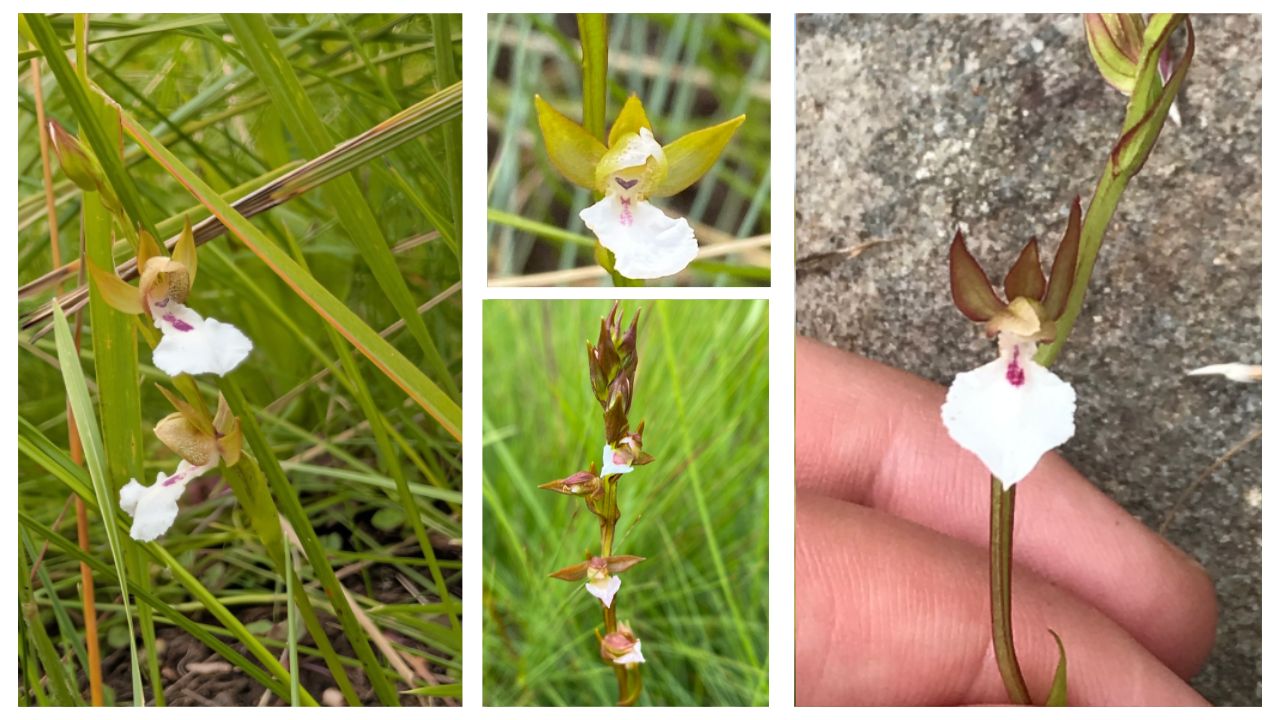
Neobolusia is a distinctive and relatively uncommon plant that can make an interesting addition to a carefully maintained collection. Like many specialized plants, it performs best when its natural growing conditions are considered rather than treated like a typical houseplant. Successful cultivation depends on providing the right balance of light, air movement, moisture, growing medium, nutrition, and temperature.
Growing Neobolusia at home does not necessarily require complicated equipment. The most important factor is consistency. A suitable potting medium, controlled watering, good drainage, and adequate humidity can create an environment where the plant develops steadily. Understanding its growth pattern also makes it easier to recognize problems before they become serious.
Choosing the Right Location for Neobolusia
The location you choose can have a major influence on the long-term health of Neobolusia. It generally benefits from bright, filtered light rather than harsh direct sunlight for extended periods. A position near an east-facing window can provide gentle morning light, while a brighter location protected by a sheer curtain can also work well.
Strong afternoon sunlight may cause leaf scorching, particularly when the plant is grown behind glass. If the leaves begin developing pale, bleached, or brown patches, excessive light may be responsible. On the other hand, very low light can lead to weak growth and poor development.
Good air circulation is equally important. Fresh, moving air helps reduce excessive moisture around the foliage and growing medium. Avoid placing the plant in a completely enclosed corner where air remains stagnant.
Selecting the Best Soil and Growing Medium
Neobolusia should be grown in a loose, well-draining medium that allows both moisture retention and rapid drainage. Heavy garden soil is generally unsuitable because it can remain wet for too long and restrict oxygen around the roots.
A quality growing mixture can include materials such as fine bark, coco coir, perlite, pumice, or another porous component. The goal is to create a medium that holds enough moisture for the roots without becoming waterlogged.
The exact mixture can be adjusted according to the growing environment. In a humid area, adding more coarse and porous material can improve drainage. In a particularly dry indoor environment, a slightly more moisture-retentive mixture may be useful.
Choosing a Suitable Pot
The container should have drainage holes at the bottom so excess water can escape easily. A pot that is much larger than the root system is usually unnecessary and can increase the amount of wet soil surrounding the roots.
Choose a container that comfortably accommodates the existing root system with a little room for future growth. As Neobolusia develops, it can be moved into a slightly larger pot rather than being placed immediately into a very large container.
Clay or terracotta pots can be useful in humid conditions because they allow some moisture to evaporate through their sides. Plastic pots retain moisture for longer and may be useful in drier growing environments.
How to Plant Neobolusia
When planting Neobolusia, begin by preparing a clean container with adequate drainage. Place a small amount of the growing medium into the pot and position the plant so that its roots are comfortably supported.
Add the remaining medium around the roots without compacting it heavily. The roots need access to air as well as moisture, so excessively compressed soil can interfere with healthy development.
After planting, water lightly enough to settle the medium around the roots. Allow excess water to drain completely. Keep the plant in a protected location while it adjusts to its new container.
Avoid disturbing the plant unnecessarily during the first few weeks after planting. Stable conditions allow the roots to establish more naturally.
Watering Neobolusia Correctly
Watering is one of the most important parts of Neobolusia care. The plant should receive enough moisture to support active growth, but the roots should not remain continuously saturated.
Instead of following a rigid watering schedule, check the growing medium regularly. If the upper portion has started to dry, it may be time to water again. The speed at which the medium dries will depend on temperature, humidity, pot size, airflow, and season.
When watering, apply water thoroughly so that the entire root area receives moisture. Allow excess water to drain from the bottom of the container and never leave the pot sitting in collected water.
During cooler or less active periods, the plant may require less frequent watering. Overwatering during slow growth is a common cause of root problems.
Providing the Right Humidity
Moderate to high humidity can support healthy growth, particularly when Neobolusia is grown indoors in a dry environment. However, simply increasing humidity without improving air circulation can create conditions where fungal problems become more likely.
A humidifier can provide more consistent humidity than frequent misting. Grouping plants together can also create a slightly more humid microclimate, provided there is still sufficient airflow.
If the surrounding air is already naturally humid, additional humidity may not be necessary. The condition of the foliage and the drying rate of the growing medium are useful indicators when adjusting the environment.
Light Requirements for Healthy Growth
Bright, indirect light is generally a good starting point for cultivating Neobolusia. Adequate light encourages stronger growth and helps the plant maintain a healthy appearance.
If growth becomes unusually weak, stretched, or slow, the plant may not be receiving enough light. Move it gradually toward a brighter position rather than exposing it suddenly to intense sunlight.
If direct sunlight causes leaf damage, use a curtain or move the plant farther away from the window. The ideal position provides plenty of brightness while avoiding prolonged exposure to intense midday rays.
Feeding and Fertilizing Neobolusia
Neobolusia can benefit from regular feeding during periods of active growth. A balanced, diluted fertilizer is generally more appropriate than applying a strong fertilizer too frequently.
Always follow the fertilizer manufacturer’s recommended dilution rather than assuming that a higher concentration will produce faster growth. Excess fertilizer can accumulate in the growing medium and damage the roots.
Fertilizing is usually less important when growth naturally slows. Before feeding a stressed, recently repotted, or unhealthy plant, correct environmental problems first. A plant suffering from poor drainage or inadequate light is unlikely to benefit from additional fertilizer.
Occasional flushing with clean water can help remove accumulated mineral salts from the growing medium, particularly when fertilizer is used regularly.
Temperature and Seasonal Care
Stable temperatures are helpful for Neobolusia. Protect the plant from sudden temperature changes, cold drafts, and excessive heat. Indoor cultivation can make temperature management easier because the surrounding environment is more controllable.
During warmer months, the growing medium may dry more quickly, increasing the frequency with which watering is needed. During cooler periods, evaporation slows and watering should be reduced accordingly.
Do not automatically maintain the same watering routine throughout the year. Seasonal adjustment is one of the simplest ways to prevent moisture-related problems.
Pruning and General Maintenance
Neobolusia generally benefits from simple maintenance rather than aggressive pruning. Remove damaged, dead, or severely deteriorated plant material with clean tools when necessary.
Keeping the area around the plant clean can also reduce potential pest and disease problems. Fallen leaves and decaying material should not be allowed to remain around the base for long periods.
Avoid removing healthy foliage simply to shape the plant unless there is a specific reason. Healthy leaves contribute to photosynthesis and help support continued growth.
Repotting Neobolusia
Repotting becomes necessary when the growing medium breaks down, drainage becomes poor, or the root system has outgrown its container. Signs may include roots filling the pot, water passing through unusually quickly, or the medium becoming compacted.
Choose a new container only slightly larger than the previous one. Replace old, degraded growing medium with a fresh, airy mixture and handle the roots carefully.
After repotting, water appropriately and keep the plant in a stable location while it recovers. Avoid heavy fertilization immediately after repotting because freshly disturbed roots can be more sensitive.
Propagating Neobolusia
Propagation methods depend on the particular Neobolusia species and the plant material available. Where viable seed is available, propagation from seed can be an option, although it may require patience and carefully controlled conditions.
Some plants can also be propagated through suitable vegetative material when naturally occurring growth structures allow it. Healthy parent material should always be selected for propagation.
Newly propagated plants generally require more careful moisture management than established specimens. Excess water can quickly damage young roots, while insufficient moisture can cause fragile developing plants to dry out.
Propagation is most successful when temperature, humidity, light, and growing medium remain stable throughout the establishment period.
Common Problems When Growing Neobolusia
Yellowing leaves, soft roots, slow growth, and leaf discoloration can have several causes. Overwatering and poor drainage are common concerns, especially when the plant is kept in a large container or dense soil.
Leaf browning can result from excessive sunlight, low humidity, irregular watering, or accumulated fertilizer salts. Before changing several conditions at once, examine the plant’s growing environment and identify the most likely cause.
Pests can occasionally become a problem, particularly when plants are stressed. Regularly inspecting the leaves, stems, and growing medium makes it easier to detect unwanted insects at an early stage.
Creating a Long-Term Care Routine
The easiest way to grow Neobolusia successfully is to establish a simple routine. Check the growing medium before watering, observe the foliage regularly, rotate the container occasionally for balanced growth, and inspect the plant for pests or signs of stress.
Keep light levels relatively consistent and adjust watering according to seasonal conditions rather than using the same schedule throughout the year. Fertilize conservatively during active growth and avoid unnecessary disturbance.
With the right balance of light, moisture, drainage, humidity, nutrition, and airflow, Neobolusia can become a rewarding plant to cultivate. Its unusual character makes the extra attention worthwhile, and careful observation is often the most valuable tool for keeping it healthy over the long term.
