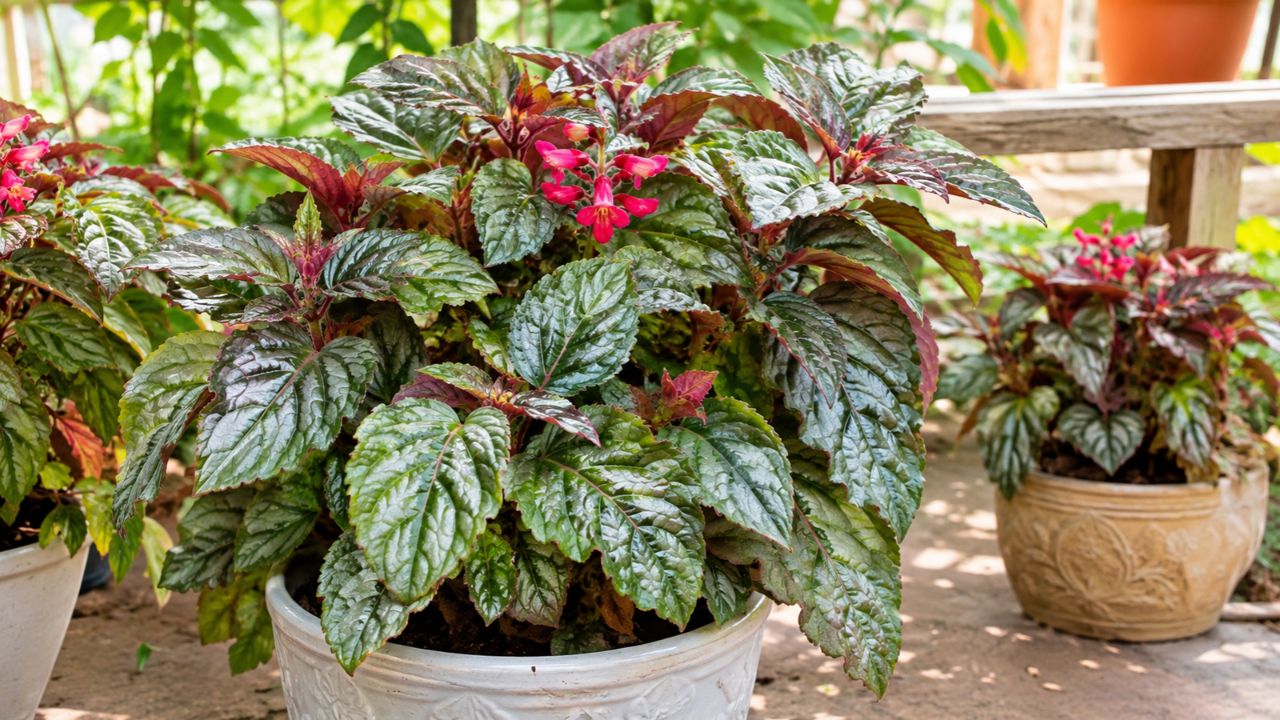
Zinowiewia is a fascinating group of woody plants that deserves more attention from gardeners who enjoy growing unusual trees and shrubs. Belonging to the Celastraceae family, this genus is native to parts of the Americas, particularly tropical and subtropical regions. Although Zinowiewia is not commonly found in home gardens, its attractive foliage, natural growth habit, and botanical interest make it an appealing choice for plant enthusiasts.
Growing Zinowiewia successfully begins with understanding its natural environment. Different species may have slightly different requirements, but suitable soil, consistent moisture, adequate sunlight, and protection from extreme conditions are important considerations. With thoughtful planting and regular observation, gardeners can encourage healthy growth and maintain an attractive plant throughout the year.
This guide explains how to plant Zinowiewia, choose suitable growing conditions, manage watering and feeding, and maintain plant health through seasonal changes.
Understanding Zinowiewia and Its Natural Growing Conditions
Zinowiewia is a genus of flowering woody plants that includes trees and shrubs. Its members naturally occur in regions where temperatures are generally mild to warm and growing conditions support established woody vegetation.
Before planting Zinowiewia, identifying the exact species is particularly important. Some species may be better adapted to humid tropical environments, while others occur in cooler or higher-elevation habitats. Their tolerance for sunlight, temperature, and soil moisture can therefore vary.
Gardeners should try to reproduce the conditions of the plant’s native habitat rather than treating every Zinowiewia species as an ordinary ornamental shrub. Healthy root development, suitable drainage, and a stable growing environment are especially important during establishment.
How to Choose the Best Location for Zinowiewia
Selecting a suitable planting location is one of the most important steps in growing Zinowiewia. A position with good air circulation, appropriate sunlight, and enough space for mature growth can help prevent future problems.
For a young plant whose exact light requirements are uncertain, bright filtered sunlight or gentle morning sunshine may provide a cautious starting point. Gradually adjust its exposure after confirming the needs of the particular species.
Avoid placing newly planted specimens in locations exposed to intense afternoon heat, strong drying winds, or prolonged waterlogging. These conditions may stress young roots and foliage.
Since some Zinowiewia species develop into trees, allow sufficient room for branches and roots to expand. Consider nearby walls, buildings, and other plants before choosing a permanent position.
Preparing the Right Soil for Healthy Growth
Good soil preparation helps Zinowiewia establish a strong root system. A well-structured soil that retains some moisture without remaining saturated is a sensible starting point for cultivation.
Garden soil can be improved with mature compost or well-decomposed organic matter. These materials support soil structure and help regulate moisture availability.
Heavy clay soils may require improved drainage, while excessively sandy soils may benefit from organic matter that increases moisture retention. Avoid adding large quantities of fertilizer before understanding the plant’s requirements.
The ideal soil pH for Zinowiewia has not been established across the entire genus, so it is better to assess the requirements of the particular species rather than assume that all Zinowiewia plants prefer acidic or alkaline soil.
How to Plant Zinowiewia Step by Step
Planting Zinowiewia carefully can reduce transplant stress and encourage healthy establishment. Begin with a healthy nursery-grown specimen that has firm stems, undamaged foliage, and roots free from obvious decay.
Prepare a planting hole approximately twice as wide as the root ball but no deeper than its existing root depth. Carefully remove the plant from its container and inspect the roots.
Position the root ball so its upper surface remains level with the surrounding soil. Backfill gently, avoiding excessive compaction, and water thoroughly to settle the soil around the roots.
Apply a thin layer of organic mulch around the planting area, keeping it away from direct contact with the trunk. Mulching helps moderate soil temperature and reduce moisture loss.
During the first few weeks, monitor soil moisture regularly and protect the plant from unusually harsh weather.
Watering Zinowiewia for Strong Root Development
Watering is particularly important while Zinowiewia is establishing its roots. Newly planted specimens generally require more attention than mature plants growing in suitable conditions.
Check moisture beneath the soil surface before watering. If the root zone is beginning to dry, water slowly and thoroughly so moisture reaches deeper roots.
Avoid maintaining constantly saturated soil, especially where drainage is poor. Excess moisture can restrict oxygen around the roots and increase the risk of root damage.
During warm weather, moisture may disappear more quickly, while cooler conditions often reduce water demand. Adjust watering according to rainfall, temperature, soil texture, and plant size rather than following a fixed daily schedule.
Established plants may become more resilient, although their drought tolerance depends on the species and local environment.
Sunlight and Temperature Requirements
Sunlight influences leaf development, plant structure, and overall growth. However, the amount of direct sunshine suitable for Zinowiewia varies among species.
Plants naturally occurring beneath taller vegetation may benefit from partial shade, while species from more exposed habitats may tolerate brighter conditions.
Young plants should be acclimated gradually when moving from sheltered nursery conditions into stronger sunlight. Sudden exposure can cause leaf scorching or moisture stress.
Temperature is equally important. Because the genus includes plants from different environments, gardeners should not assume universal frost tolerance.
In regions experiencing cold winters, protect sensitive specimens from freezing temperatures. Container-grown plants can be moved into suitable sheltered conditions when necessary.
Fertilizing Zinowiewia Without Overfeeding
Fertilizer should support healthy development rather than force rapid growth. When planted in reasonably fertile soil containing organic matter, Zinowiewia may not require frequent feeding.
Observe the plant before applying additional nutrients. Healthy leaf colour, steady new growth, and strong stems often indicate satisfactory growing conditions.
If the soil is nutrient deficient, a balanced fertilizer may be applied conservatively during active growth, following the product instructions.
Avoid excessive nitrogen, which can encourage soft growth and potentially increase vulnerability to environmental stress.
Compost and organic mulch can also contribute to long-term soil improvement. When unexplained yellowing or weak growth occurs, consider soil testing before adding fertilizer.
Pruning and Maintaining a Healthy Shape
Pruning helps maintain an attractive structure and removes damaged or unhealthy growth. Zinowiewia generally benefits from a cautious approach, particularly when the species’ growth pattern is unfamiliar.
Begin by removing dead, broken, or diseased branches using clean, sharp pruning tools. Branches that rub against one another may also be selectively removed.
Avoid severe pruning unless reliable species-specific guidance supports it. Heavy cutting can create unnecessary stress and may affect the plant’s natural appearance.
The most suitable pruning season depends on local climate and the species’ growth cycle. Light maintenance can be performed when necessary, but major shaping should be planned carefully.
Regular inspection also makes it easier to identify structural problems before they become serious.
Common Zinowiewia Growing Problems and Solutions
Like other woody plants, Zinowiewia may experience problems when environmental conditions become unsuitable. Yellowing leaves, weak growth, wilting, or premature leaf drop can indicate several possible causes.
Overwatering and poor drainage should be investigated when the soil remains persistently wet. Conversely, dry soil combined with wilting foliage may indicate insufficient moisture.
Leaf damage may also result from intense sunlight, temperature extremes, pests, or disease.
Inspect both sides of the leaves, young stems, and surrounding soil for unusual changes. If insects appear, identify them before selecting a treatment.
Improving drainage, adjusting watering, and maintaining air circulation are often useful first steps. Avoid applying pesticides or fungicides without identifying the underlying problem.
Seasonal Zinowiewia Care Throughout the Year
Seasonal care should follow the plant’s actual growing cycle and local weather conditions rather than a rigid calendar.
During periods of active growth, monitor new leaves, maintain suitable moisture, and inspect the plant for signs of stress. This is also a useful time to evaluate soil fertility.
In hot weather, mulch can help protect the root zone from rapid drying. Young plants may require temporary shade during exceptional heat.
During rainy periods, ensure water drains away from the planting area and does not accumulate around the trunk.
When growth slows in cooler weather, reduce unnecessary watering and avoid excessive fertilization. Frost-sensitive species may need additional protection.
Growing Zinowiewia in Containers
Container cultivation may be practical for young Zinowiewia plants, especially where gardeners need greater control over soil conditions and temperature.
Choose a sturdy container with adequate drainage holes and enough room for the root system. Use a suitable, well-draining potting mixture rather than dense garden soil alone.
Check moisture regularly because container soil can dry more quickly than ground soil. At the same time, avoid leaving the pot standing in water.
As the plant develops, inspect for crowded roots and repot when necessary. Species that naturally become large trees may eventually require permanent outdoor planting.
Container growing is most successful when the plant’s mature size and long-term requirements are considered from the beginning.
Final Thoughts on Growing Zinowiewia Successfully
Zinowiewia can be a rewarding choice for gardeners interested in uncommon woody plants and botanical diversity. Successful cultivation depends on identifying the species, understanding its native environment, and providing suitable conditions for root and foliage development.
Thoughtful planting, appropriate watering, careful pruning, and seasonal monitoring form the foundation of healthy growth. Rather than applying excessive fertilizer or following rigid care routines, observe how the plant responds to its surroundings.
With patience and species-appropriate care, Zinowiewia may develop into a healthy, attractive addition to a suitable garden or plant collection.
