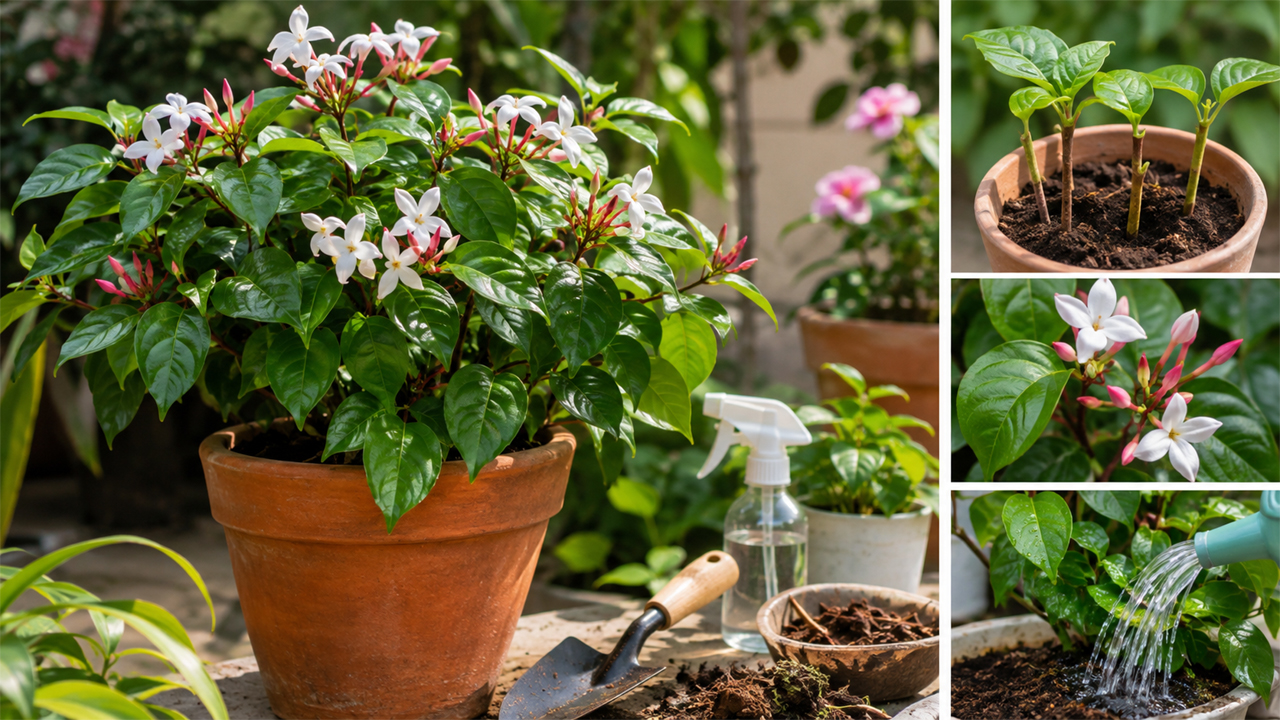
Wimmeria is an interesting group of woody plants that can add natural beauty and character to suitable gardens and landscapes. Belonging to the Celastraceae family, the genus includes shrubs and small trees, with several species native to Mexico and other parts of the Americas. Although Wimmeria is not commonly found in ordinary home gardens, its attractive foliage and natural growth habit make it an appealing subject for gardeners interested in unusual plants.
Growing Wimmeria successfully begins with understanding its natural environment. Different species may have different requirements, particularly regarding sunlight, moisture, and temperature. With appropriate soil, careful watering, and regular observation, gardeners can create conditions that support healthy development. This guide explains the essential aspects of Wimmeria plant care, including planting, watering, fertilizing, pruning, propagation, and preventing common growing problems.
Understanding the Wimmeria Plant
Wimmeria is a botanical genus consisting primarily of woody shrubs and trees. Its members occur in different habitats, including seasonally dry environments. Depending on the species, these plants may develop branching stems, relatively small leaves, and compact or spreading crowns.
Unlike many familiar ornamental houseplants, Wimmeria is not widely cultivated, and detailed gardening information about individual species can be limited. Therefore, identifying the exact species is an important first step before establishing a permanent care routine.
A healthy Wimmeria plant should produce firm stems, appropriately colored foliage, and steady seasonal growth. Changes in leaf appearance, branch condition, or growth rate can provide useful clues about its overall health.
Choosing the Right Location for Wimmeria
Selecting a suitable growing location is essential for long-term plant health. Many Wimmeria species occur naturally in relatively open habitats, although sunlight requirements can vary between species.
An outdoor position with good natural light is generally a sensible starting point for species adapted to sunny conditions. Young plants may benefit from temporary protection against intense afternoon sunlight while their roots become established.
Good air circulation is equally important. Avoid planting Wimmeria in crowded areas where surrounding vegetation restricts airflow or competes heavily for moisture and nutrients.
When growing the plant in a container, choose a location where temperature and light conditions remain reasonably consistent. Observe its response and adjust the position gradually if necessary.
Best Soil for Healthy Wimmeria Growth
Healthy root development depends on appropriate soil conditions. A well-drained growing medium is particularly important for species originating from dry or seasonally dry habitats.
Garden soil can be improved by incorporating suitable organic matter, provided the finished mixture does not retain excessive water. For container cultivation, a quality potting mix amended with mineral drainage materials may provide a practical starting point.
Heavy, compacted soil can restrict oxygen around the roots and increase the risk of waterlogging. If the planting area regularly collects standing water, improving drainage or choosing another location may be necessary.
Soil requirements can differ between Wimmeria species, so gardeners should avoid assuming that every member of the genus prefers identical soil moisture or fertility levels.
How to Water Wimmeria Plants Properly
Watering is one of the most important parts of Wimmeria plant care. Both prolonged dryness and excessive moisture can affect plant development, depending on the species and its growing conditions.
Newly planted Wimmeria generally needs more consistent moisture while establishing its root system. Water thoroughly after planting and monitor the surrounding soil rather than following a rigid daily schedule.
Established plants adapted to seasonal drought may require less frequent irrigation. Before watering again, check whether the root zone has dried sufficiently for the particular species.
Container-grown plants often need closer attention because their growing medium can dry faster than garden soil. During hot weather, check moisture regularly, while reducing irrigation when growth slows and evaporation decreases.
Avoid leaving containers standing in water for extended periods.
Sunlight and Temperature Requirements
Adequate sunlight supports photosynthesis, healthy foliage, and normal plant development. However, the ideal amount of direct sunlight depends on the Wimmeria species being cultivated.
Plants originating from exposed, dry landscapes may tolerate strong sunshine once established. Others may perform better with some protection during extremely hot conditions.
Temperature is another important consideration. Since Wimmeria species are associated with different environments, their tolerance of frost and prolonged cold should not be assumed.
Gardeners living in colder regions should research the hardiness of their particular species before planting it outdoors permanently. Young container plants can be moved into a protected location when damaging temperatures are expected.
Gradual acclimatization helps reduce stress when transferring plants between sheltered and exposed environments.
Fertilizing Wimmeria for Better Growth
Fertilizer should support healthy development without encouraging excessive, weak growth. Because detailed nutritional recommendations for cultivated Wimmeria are limited, a conservative feeding approach is preferable.
If the plant grows in reasonably fertile soil and produces healthy foliage, additional fertilizer may not be necessary. Container plants growing in depleted potting media may benefit from occasional light feeding during active growth.
A balanced fertilizer can be considered according to its label instructions, but avoid applying large amounts without evidence of nutrient deficiency.
Overfertilization can damage roots, increase salt accumulation, and produce growth that is more vulnerable to environmental stress.
Regular observation and occasional soil testing provide a more reliable basis for fertilizer decisions than feeding automatically every few weeks.
Pruning and Maintaining Wimmeria Plants
Pruning helps maintain an attractive shape while removing damaged or unhealthy growth. The amount of pruning required depends on the species, its natural branching pattern, and the gardener’s preferred appearance.
Begin by removing dead, broken, or visibly diseased branches using clean, sharp pruning tools. Avoid removing large amounts of healthy foliage unnecessarily.
Light corrective pruning can improve branch structure and prevent crossing stems from rubbing against each other. For young plants, careful early shaping may encourage a balanced framework.
Major pruning should be timed according to the species’ seasonal growth cycle. Since Wimmeria is not extensively documented in horticultural cultivation, aggressive pruning without species-specific guidance is best avoided.
How to Propagate Wimmeria Plants
Wimmeria may be propagated from seeds, although successful methods and germination requirements can vary considerably between species.
Seeds should come from a correctly identified, reliable source. Before sowing, research whether the species requires any special treatment to overcome dormancy.
Use a clean, well-drained propagation medium and maintain moisture appropriate for the seeds without allowing persistent waterlogging.
Some woody plants can also be propagated through stem cuttings, but reliable cutting protocols are not established for every Wimmeria species.
Gardeners experimenting with propagation should record sowing dates, temperatures, moisture conditions, and germination results. These observations can help improve future attempts.
Common Wimmeria Growing Problems and Solutions
Yellowing leaves, slow growth, and branch dieback can occur when growing conditions are unsuitable. These symptoms do not always indicate disease and should be investigated carefully.
Excessive watering may cause poor root aeration, while insufficient moisture can lead to wilting or premature leaf loss. Soil condition should therefore be checked before changing irrigation habits.
Poor growth may also result from inadequate light, unsuitable temperatures, compacted soil, or nutrient imbalances.
Inspect leaves and stems periodically for insects, unusual spotting, or physical damage. If pests appear, identify them before selecting a treatment.
Maintaining appropriate growing conditions is generally the most effective first step toward preventing recurring plant health problems.
Final Thoughts on Wimmeria Plant Care
Growing Wimmeria can be a rewarding experience for gardeners who appreciate uncommon woody plants. Although it is less familiar than many popular garden species, understanding its natural habitat provides a useful foundation for successful cultivation.
The most important considerations include accurate species identification, suitable sunlight, well-drained soil, appropriate watering, and careful seasonal maintenance. Regular inspection also helps gardeners recognize problems before they become serious.
With patience and a care routine suited to the particular species, Wimmeria can become an interesting addition to a botanical collection or suitable outdoor landscape.
