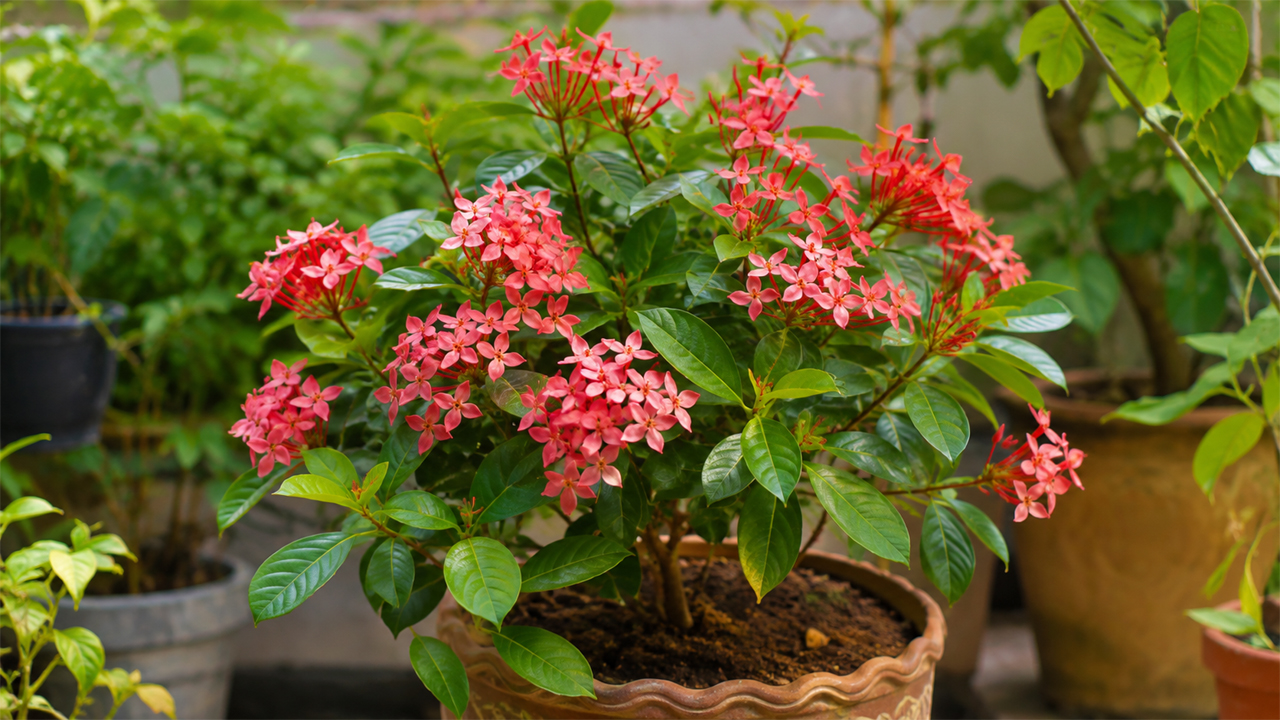
Perrottetia is a fascinating group of woody plants that deserves more attention from gardeners interested in unusual trees and shrubs. Belonging to the family Dipentodontaceae, the genus includes species found in tropical and subtropical regions, particularly in parts of Asia and the Americas. These plants are generally appreciated for their natural foliage, branching structure, and contribution to forest ecosystems.
Growing Perrottetia successfully requires an understanding of its natural environment. Unlike common ornamental garden plants, Perrottetia is not widely cultivated, and detailed care information can be difficult to find. Its growing requirements may also vary between species.
Whether you are planning to grow Perrottetia in a garden or maintain a young plant in a container, providing suitable soil, moisture, light, and protection is essential. This guide explains practical ways to support healthy growth while avoiding common gardening mistakes.
Understanding Perrottetia Plants and Their Growing Habits
Perrottetia plants are generally woody shrubs or small trees, although their mature size depends on the species and growing environment. Many occur naturally in forest habitats where temperature, rainfall, soil conditions, and surrounding vegetation influence their development.
Before planting, identifying the exact Perrottetia species is important. Some species may be better adapted to warm tropical environments, while others naturally grow in cooler mountain forests.
Observing the plant’s natural habitat can provide useful clues about its preferred conditions. A species growing beneath a forest canopy may require protection from intense sunlight, whereas one growing in more exposed locations may tolerate brighter conditions.
Choosing the Right Soil for Perrottetia Plants
Healthy soil is one of the most important factors in successful Perrottetia cultivation. A suitable growing medium should provide adequate drainage while retaining enough moisture to support root development.
A practical starting point is fertile, well-structured soil enriched with decomposed organic matter. Compost can improve soil texture and encourage beneficial biological activity.
Heavy clay soil may become waterlogged, particularly during periods of frequent rainfall. Improving drainage with suitable organic materials and planting in a raised area can help reduce this problem.
For container cultivation, use a quality potting mixture that allows excess water to escape easily. Avoid compacted garden soil in pots because it may restrict root growth.
The ideal soil pH has not been established for every Perrottetia species, so avoid making large pH adjustments without reliable species-specific information.
How Much Sunlight Does Perrottetia Need?
Sunlight plays an important role in plant growth, but the correct amount depends on the species and its natural habitat.
For a newly acquired Perrottetia plant with uncertain requirements, bright, filtered light can be a cautious starting point. A location receiving gentle morning sunlight and protection from intense afternoon heat may help reduce stress while the plant becomes established.
Young plants should be introduced gradually to brighter conditions rather than moved suddenly into direct sunlight.
Watch the foliage for signs of stress. Scorched leaves, excessive wilting, or sudden discoloration may indicate unsuitable exposure, although these symptoms can also result from watering or root problems.
Once the species has been identified, adjust its position according to its documented light requirements.
Proper Watering Techniques for Healthy Growth
Consistent moisture is important for establishing healthy roots, but excessive watering can create serious problems.
Water newly planted Perrottetia carefully, allowing moisture to penetrate the root zone. Check the soil before watering again rather than following a rigid daily schedule.
The upper soil layer may begin drying while deeper soil remains moist. Checking below the surface helps prevent unnecessary watering.
Container-grown plants usually require closer monitoring because potting mixtures can dry more quickly than garden soil.
During hot weather, plants may need additional moisture. In cooler or rainy conditions, watering frequency should generally be reduced.
Always ensure that excess water can drain away. Persistent waterlogging can deprive roots of oxygen and encourage root deterioration.
Temperature and Humidity Requirements
Temperature tolerance varies among Perrottetia species because they occur in different geographical environments.
Plants originating from warm forests may struggle with frost, while species adapted to higher elevations may prefer cooler conditions.
Until the species is identified, avoid exposing young plants to extreme temperatures. Protect recently transplanted specimens from drying winds, severe heat, and unexpected cold.
Mulching around the root zone can help moderate soil temperature and reduce moisture loss. Keep mulch slightly away from the main stem to prevent prolonged dampness against the bark.
Humidity may also influence plant health, particularly for species naturally associated with moist forests. However, high humidity should always be balanced with adequate airflow.
Fertilizing Perrottetia for Strong and Healthy Development
Fertilizer can support plant development when the soil lacks essential nutrients, but excessive feeding is not beneficial.
Begin by improving soil quality with well-decomposed compost. Organic matter supports soil structure and gradually contributes nutrients as it breaks down.
If additional fertilizer is necessary, choose a balanced product and follow its instructions carefully. Young plants should not receive heavy applications of concentrated fertilizer.
Yellowing leaves or slow growth do not automatically indicate nutrient deficiency. Poor drainage, unsuitable temperatures, root damage, and incorrect light exposure can produce similar symptoms.
A soil test is particularly helpful when growing valuable or uncommon plants because it reduces unnecessary fertilizer applications.
Pruning and Maintaining Plant Shape
Pruning helps maintain healthy woody plants by removing damaged, dead, or diseased branches.
Inspect Perrottetia regularly and remove clearly unhealthy growth using clean, sharp pruning tools.
Avoid aggressive pruning until the plant’s growth pattern and response to cutting are better understood. Unnecessary removal of healthy branches can slow development and reduce the plant’s natural appearance.
For young plants, focus on encouraging a stable structure rather than forcing a particular shape.
If the plant develops crossing branches, careful selective pruning may improve airflow and reduce rubbing injuries.
The best pruning season can differ between species and climates, so major pruning should be based on local growing conditions.
Propagation and Growing New Perrottetia Plants
Propagation allows gardeners to produce additional plants, but reliable methods are not equally documented for all Perrottetia species.
Seeds may be an option when mature, correctly identified material is available. However, germination requirements, seed storage tolerance, and dormancy behavior should be confirmed for the particular species.
Stem cuttings may also be worth investigating, although successful rooting should not be assumed without species-specific evidence.
When experimenting with propagation, use clean equipment, a suitable growing medium, and carefully controlled moisture.
Avoid collecting seeds or cuttings from protected wild populations without appropriate permission. Nursery-grown or legally obtained propagation material is preferable.
Common Perrottetia Growing Problems and Solutions
Perrottetia plants may experience problems when their growing environment differs significantly from their natural habitat.
Yellowing foliage can result from excess moisture, nutrient imbalance, or root stress. Check drainage and soil conditions before adding fertilizer.
Brown leaf edges may develop following intense sunlight, drying winds, or inconsistent watering.
Slow growth can occur after transplanting because the plant needs time to establish new roots. Avoid repeatedly changing its location unless there is clear evidence of unsuitable conditions.
Inspect leaves and stems for insects, unusual spots, or damaged tissue. If pests or diseases appear, identify the cause before applying any treatment.
Regular observation and gradual adjustments are generally more effective than making several major changes at once.
Final Thoughts on Growing Healthy Perrottetia Plants
Growing Perrottetia can be rewarding for gardeners who enjoy exploring uncommon woody plants. Successful cultivation begins with identifying the species and understanding the environmental conditions in which it naturally grows.
Suitable soil, careful watering, appropriate sunlight, and protection from extreme temperatures provide a foundation for healthy development. Thoughtful pruning, moderate fertilization, and regular monitoring can further support long-term growth.
Because Perrottetia is not a widely cultivated genus, gardeners should approach general care recommendations with flexibility. By observing the plant closely and adjusting its environment according to its response, it is possible to develop a more effective care routine over time.
