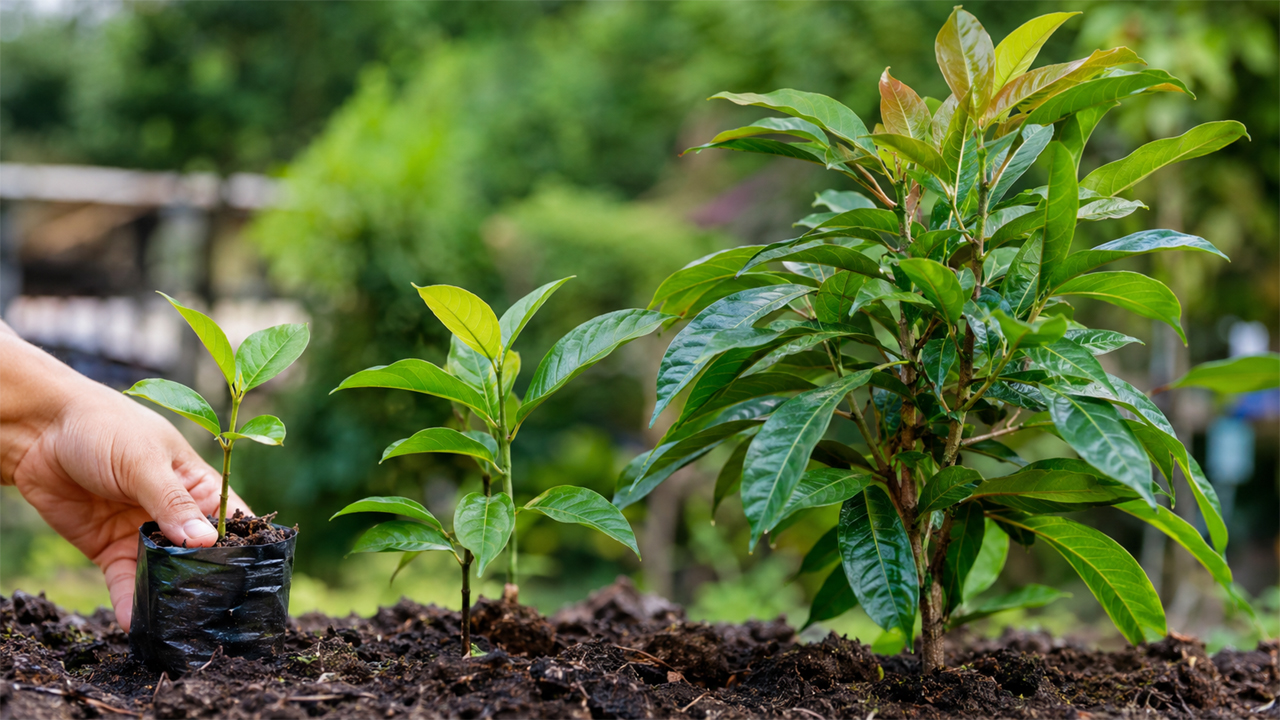
Syzygium is a versatile genus of evergreen trees and shrubs admired for their glossy green foliage, attractive growth habit, and, in several species, delicious edible fruits. Belonging to the myrtle family, Myrtaceae, Syzygium includes many popular tropical and subtropical plants, such as Java plum, rose apple, and wax apple. These trees are valued in home gardens, orchards, parks, and landscape designs because they combine ornamental beauty with practical benefits. Growing Syzygium successfully requires an understanding of its soil preferences, watering needs, sunlight requirements, and long-term care. With the right approach, a small seedling can develop into a healthy, mature tree that provides shade, greenery, and seasonal interest for many years.
Understanding the Syzygium Plant and Its Growing Requirements
Before planting Syzygium, it is important to understand that different species have slightly different growing habits. Some produce small, dark purple fruits, while others develop larger, bell-shaped fruits in shades of pink, red, green, or white. Their mature size, cold tolerance, and preferred moisture levels can also vary. However, many commonly cultivated Syzygium species thrive in warm climates with sufficient sunlight and well-drained soil.
These plants generally perform well in tropical and subtropical regions, where temperatures remain relatively warm throughout the year. Young seedlings are particularly sensitive to extreme temperatures, strong winds, and prolonged drought. Selecting a suitable planting location is therefore essential for healthy development. A sunny garden with enough room for the tree to spread its branches offers an excellent starting point. Gardeners should also consider the mature height and root system of the selected species before choosing a permanent position.
Choosing Seeds or Healthy Seedlings for Planting
Syzygium can be propagated through seeds, cuttings, and, depending on the species, grafting or other vegetative methods. Growing from seed is an affordable and rewarding option for home gardeners who enjoy watching a plant develop from its earliest stage. However, seed-grown trees may take longer to produce fruit, and their characteristics may differ from those of the parent plant.
Fresh seeds are generally preferable because viability can decline during storage, particularly in species with short-lived seeds. Seeds should be collected from fully mature fruits and cleaned carefully to remove the surrounding pulp. They can then be planted in a suitable propagation medium that retains moisture without becoming waterlogged.
For beginners who want more predictable results, purchasing a healthy nursery seedling can be a practical alternative. Choose a plant with green leaves, a firm stem, and a well-developed root system. Avoid specimens with yellowing foliage, visible pests, damaged branches, or signs of root rot. A healthy starting plant makes establishment easier and reduces the risk of early growth problems.
Preparing the Soil and Selecting the Right Location
Good soil preparation supports root development and helps young Syzygium plants establish themselves quickly. Most commonly cultivated species prefer fertile, well-drained soil containing organic matter. Loamy soil is often suitable because it provides a balance between moisture retention, aeration, and drainage. Slightly acidic to neutral conditions are appropriate for many species, although individual requirements may differ.
Before planting, loosen the soil and remove weeds, stones, and debris from the selected area. Incorporating mature compost can improve soil structure and provide a gradual supply of nutrients. Heavy clay soil may require improved drainage or planting on a raised mound, particularly in areas that experience intense monsoon rainfall.
Dig a planting hole wide enough to accommodate the root ball comfortably without forcing the roots into a narrow space. Place the seedling at approximately the same depth at which it was growing in its nursery container. Planting too deeply can restrict healthy development and increase the likelihood of stem problems. After positioning the plant, refill the hole with soil, gently firm the surrounding area, and water thoroughly.
Providing the Right Amount of Sunlight and Water
Sunlight plays an important role in the growth and appearance of Syzygium. Many species grow best in full sun or partial shade, although young plants may benefit from protection against intense afternoon sunlight in especially hot climates. As seedlings mature, they can gradually adapt to brighter conditions. Adequate sunlight encourages dense foliage, sturdy branches, and, in fruit-bearing species, improved flowering and fruit development.
Watering should be adjusted according to the plant’s age, soil type, weather, and local climate. Newly planted seedlings need consistent moisture while their roots establish themselves. The soil should remain lightly moist, but excess water must be allowed to drain away. Waterlogged roots can suffer from oxygen deficiency and fungal diseases.
Once the tree becomes established, it may tolerate short periods of reduced rainfall, depending on the species. Nevertheless, regular watering during hot, dry weather supports healthier foliage and steady growth. Checking the soil before watering is more reliable than following a rigid schedule. If the upper layer has begun to dry, water deeply enough to moisten the root zone without leaving standing water around the trunk.
Nurturing Young Seedlings Through Their Early Growth
The seedling stage is one of the most important periods in the life of a Syzygium tree. During this time, the plant develops its root system, establishes its main stem, and begins producing new leaves. Consistent care helps it become strong enough to withstand changing weather conditions.
A light layer of organic mulch around the plant can help conserve moisture, suppress weeds, and moderate soil temperature. Suitable materials include dry leaves, shredded bark, and other clean organic matter. Keep the mulch several centimetres away from the trunk to reduce excess moisture around the stem and discourage rot.
Young plants may need temporary protection from strong winds, heavy rain, grazing animals, and accidental damage. If the seedling is growing in a container, ensure that the pot has adequate drainage holes and enough space for root development. Repot the plant when roots begin crowding the container or emerging through its drainage holes.
Avoid applying excessive fertiliser during early growth. Tender roots can be damaged by concentrated nutrients, particularly when the soil is dry. A balanced fertiliser used according to its label, together with suitable organic matter, generally provides a safer foundation for steady development.
Fertilising and Maintaining Healthy Green Foliage
As Syzygium grows, its nutritional requirements increase. Nitrogen supports leafy growth, phosphorus contributes to root development, and potassium helps maintain general plant health. However, the appropriate nutrient balance depends on the species, soil conditions, and whether the tree is grown primarily for foliage or fruit.
Applying mature compost around the root zone can gradually improve soil fertility. During the active growing season, a balanced fertiliser may be useful if the plant shows slow growth or the soil lacks essential nutrients. Always follow recommended application rates rather than assuming that more fertiliser will produce a larger or healthier tree.
Healthy Syzygium foliage should generally appear fresh and firm, although colour varies between species and varieties. Yellow leaves may indicate overwatering, poor drainage, nutrient deficiencies, or other environmental stresses. Brown leaf edges can develop when plants experience drought, excessive fertiliser, or harsh weather. Identifying the underlying cause is more effective than immediately adding additional nutrients.
Pruning, Pest Management, and Disease Prevention
Pruning helps maintain an attractive shape, encourages suitable branching, and removes damaged or diseased growth. For ornamental trees, light pruning can create a balanced canopy that complements the surrounding landscape. Fruit-bearing trees may also benefit from selective pruning that improves airflow and allows sufficient light to reach productive branches.
The best time to prune depends on the species, climate, and flowering cycle. Avoid removing excessive foliage at once, as this can stress the plant and reduce its ability to produce energy. Use clean, sharp tools and remove dead or crossing branches carefully.
Syzygium may occasionally experience problems involving sap-feeding insects, caterpillars, scale insects, or fungal diseases. Regularly inspecting the leaves, stems, and undersides of foliage helps identify problems before they become severe. Encourage beneficial insects, maintain good airflow, and avoid unnecessary pesticide use. If treatment becomes necessary, select a product appropriate for the identified pest and follow its label instructions carefully.
Helping Syzygium Develop Into a Mature Tree
As the plant becomes established, its care gradually shifts from intensive seedling management to long-term maintenance. A mature tree generally develops a stronger root system and a broader canopy, making it more resilient to ordinary fluctuations in weather. However, adequate water during prolonged drought, periodic soil improvement, and occasional pruning remain important.
Allow sufficient space for the tree’s eventual size. Crowding can restrict sunlight, reduce airflow, and create competition between neighbouring plants. For trees grown near buildings, paths, or underground utilities, consider the mature canopy and root spread before planting.
Flowering and fruiting depend on the species, growing conditions, and propagation method. Some seed-grown trees require several years to mature, while grafted plants may fruit earlier. Appropriate sunlight, healthy roots, balanced nutrition, and suitable seasonal conditions all contribute to reproductive development. Not every Syzygium species produces edible fruit, so identify the plant correctly before harvesting or consuming its produce.
Growing Syzygium in Containers and Small Gardens
Syzygium can also be grown in containers, making it suitable for patios, balconies, courtyards, and compact gardens. Choose a sturdy pot with good drainage and a growing medium that combines moisture retention with adequate aeration. The container should be large enough to support the current root system while allowing room for growth.
Container-grown plants dry out more quickly than trees planted in the ground, particularly during hot weather. Regularly check the soil and adjust watering according to temperature and plant size. Periodic repotting may be necessary as the roots expand. Light pruning can help maintain a manageable shape, but the plant should still receive enough sunlight and nutrients to remain vigorous.
Building a Lasting Green Landscape With Syzygium
Growing Syzygium from a small seedling into a mature tree is a gradual process that rewards patience and consistent attention. The essentials are straightforward: select a suitable species, provide fertile and well-drained soil, maintain appropriate moisture, ensure adequate sunlight, and monitor the plant’s health as it grows.
With thoughtful planting and regular maintenance, Syzygium can become a valuable feature of a garden, offering lush foliage, attractive branching, and, where applicable, beautiful flowers and fruit. Whether cultivated as an ornamental specimen, a shade tree, or part of a tropical fruit garden, it brings lasting greenery and natural character to outdoor spaces. By responding to the plant’s changing needs at each stage of its life, gardeners can encourage strong growth and enjoy the benefits of a healthy, well-established tree for years to come.
