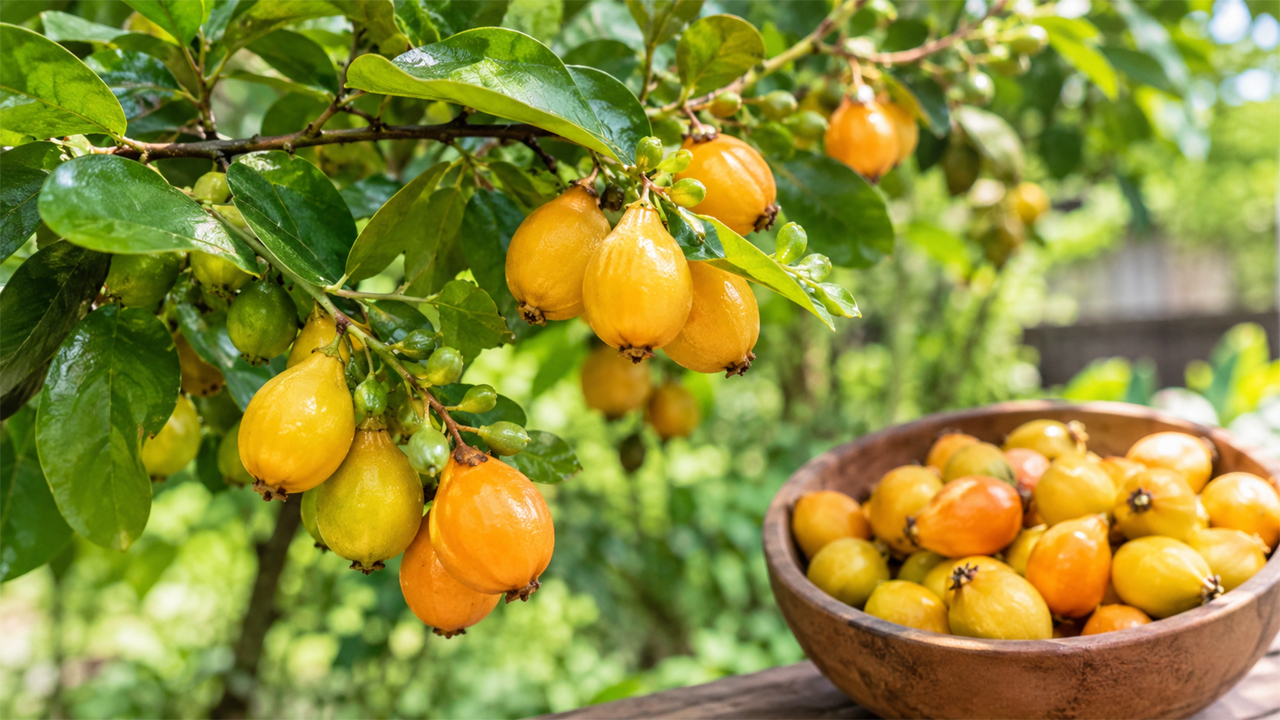
Eugenia pyriformis, commonly known as uvaia or Brazilian cherry, is a tropical fruit tree native to Brazil and a member of the Myrtaceae family. It is valued for its attractive foliage, fragrant flowers, and juicy yellow to orange fruits with a distinctive sweet-and-tart flavor. Although it is not as widely cultivated as many familiar fruit trees, it has considerable potential for home gardens, tropical landscapes, and edible gardens.
Growing Eugenia pyriformis can be a rewarding experience for gardeners who enjoy unusual fruit varieties. The tree can adapt to different growing conditions when its basic needs are met, including suitable sunlight, well-drained soil, consistent moisture, and protection from extreme weather. With proper care, it can produce delicious fruits while adding ornamental value to the garden.
Whether you are starting with seeds or purchasing a young plant from a nursery, understanding the tree’s growing requirements will help you establish a healthy plant and encourage reliable fruit production.
Choosing the Right Location for Planting
Selecting an appropriate planting location is one of the most important steps in growing Eugenia pyriformis successfully. The tree generally grows well in warm, humid environments and prefers a position that receives plenty of sunlight. A location with six or more hours of direct sunlight daily is a good choice for encouraging vigorous growth and fruit production.
Young plants may benefit from partial shade during their initial establishment, particularly in regions where afternoon temperatures become extremely high. Once established, the tree can tolerate brighter conditions if its roots receive adequate moisture and the surrounding soil does not dry out excessively.
Choose a sheltered location where strong winds are less likely to damage branches or dry out the foliage. Avoid planting near areas where water regularly collects after rainfall, as prolonged waterlogging can harm the roots.
Eugenia pyriformis can be grown directly in the ground in suitable climates or cultivated in a large container where space is limited. Container growing is especially useful for gardeners who want to move young plants into a protected location during cold weather.
Understanding Soil Requirements
Healthy soil is essential for establishing a strong root system and supporting long-term growth. Eugenia pyriformis generally performs best in fertile, well-drained soil containing plenty of organic matter. Loamy soil is particularly suitable because it retains enough moisture for the roots while allowing excess water to drain away.
Before planting, loosen the soil and remove weeds, stones, and compacted material. Incorporating mature compost can improve soil structure and provide a gradual supply of nutrients. However, avoid adding excessive fertilizer or fresh manure directly around the roots, as concentrated nutrients may damage young plants.
The tree can grow in slightly acidic soil, which is common in many tropical growing regions. If the soil is highly alkaline or has poor drainage, consider improving the planting area before introducing the plant.
For container cultivation, use a high-quality potting mix that drains freely while retaining some moisture. A mixture containing composted organic material, a suitable growing medium, and a coarse component for aeration can work well. Ensure the container has several drainage holes, and never allow it to remain standing in a saucer filled with water.
How to Plant Eugenia pyriformis
The best time to plant Eugenia pyriformis is generally during warm weather when the soil is moist and the plant can establish its roots without facing severe temperature stress. In tropical and subtropical regions, the beginning of the rainy season can provide favorable conditions, provided the planting site does not become waterlogged.
Begin by digging a hole approximately twice as wide as the plant’s root ball and about the same depth. Carefully remove the plant from its nursery container, taking care not to break the roots unnecessarily. Position it in the hole so that the top of the root ball remains level with the surrounding soil.
Backfill the hole with the original soil, gently firming it around the roots to eliminate large air pockets. Water thoroughly after planting to settle the soil and help the roots make contact with the surrounding growing medium.
Apply a layer of organic mulch around the base to conserve moisture and reduce weed growth. Keep the mulch several centimeters away from the trunk to prevent excessive moisture from accumulating against the bark.
If planting several trees, provide sufficient space for their mature size and airflow. The exact spacing will depend on the cultivar, growing conditions, and whether the trees will be regularly pruned.
Growing Eugenia pyriformis from Seeds
Growing Eugenia pyriformis from seed is an economical way to produce new plants, particularly when fresh fruits are available. However, seeds of many tropical fruit trees lose viability relatively quickly after removal from the fruit, so fresh seeds are generally preferable.
Remove the seeds from fully ripe fruits and clean away the remaining pulp. Sow them in individual pots or a seed tray filled with a moist, well-draining propagation mix. Cover them lightly with the growing medium and place the containers in a warm location with bright, indirect light.
Keep the medium consistently moist but never saturated. Excessive water can encourage seed rot, while allowing the medium to dry out completely can interfere with germination. Germination time varies according to seed freshness, temperature, and growing conditions, so patience is important.
Once seedlings develop several healthy leaves and a stronger root system, they can be transferred into larger containers. Gradually introduce them to brighter sunlight to prevent leaf scorch.
Seed-grown plants may differ from the parent tree in fruit quality and other characteristics. They can also take several years to begin producing fruit. Gardeners seeking more predictable fruit characteristics may prefer a healthy nursery-grown plant or a properly propagated selected variety.
Watering and Maintaining Healthy Growth
Consistent watering is particularly important while Eugenia pyriformis is establishing itself. Newly planted trees require regular moisture because their roots have not yet spread widely enough to access water from a larger area of soil.
Water deeply whenever the upper layer of soil begins to dry. The frequency will depend on temperature, rainfall, soil type, and container size. During hot weather, plants growing in pots may require more frequent watering than trees planted in the ground.
Established trees can tolerate short periods of reduced moisture better than young plants, but prolonged drought may slow growth, cause leaf drop, and reduce fruit development. During flowering and fruit formation, maintaining reasonably consistent soil moisture can help support healthy production.
Avoid following a rigid watering schedule without checking the soil. Overwatering is a common cause of root problems, especially in heavy clay soil or containers with inadequate drainage.
Regularly inspect the foliage for yellowing, wilting, or unusual spotting. These symptoms may indicate water stress, nutrient deficiencies, pests, or disease. Identifying the cause early makes it easier to correct problems before they become severe.
Fertilizing for Strong Growth and Fruit Production
Eugenia pyriformis benefits from balanced nutrition, particularly when grown in containers or relatively poor soil. A mature layer of compost applied around the root zone can help improve soil fertility and support beneficial soil organisms.
During the active growing season, a balanced fertilizer suitable for fruit trees may be used according to its label instructions. Young plants generally need modest feeding, while established trees may require additional nutrients to support flowering, fruit development, and new growth.
Avoid applying excessive nitrogen, which can encourage abundant leafy growth at the expense of flowering and fruit production. Fertilizer should be distributed around the root zone rather than piled against the trunk.
Container-grown trees may need more regular feeding because nutrients are gradually washed out through drainage. However, excessive fertilizer salts can accumulate in pots and damage roots. Periodically flushing the growing medium with clean water, provided drainage is excellent, can help reduce this problem.
If the tree develops persistent yellow leaves or weak growth despite suitable watering, consider whether the soil pH or nutrient balance is responsible before increasing fertilizer applications.
Pruning and General Plant Care
Pruning helps maintain a manageable shape, encourages good airflow, and removes damaged or unhealthy branches. Eugenia pyriformis can often develop an attractive natural form without extensive intervention, so heavy pruning is usually unnecessary for a home garden tree.
The best time to prune is generally after fruiting or during a suitable period of active recovery, avoiding severe pruning during stressful weather. Remove dead, diseased, crossing, or inward-growing branches using clean, sharp pruning tools.
For container-grown plants, occasional light pruning can help control height and maintain a balanced canopy. Avoid removing too much foliage at once, as excessive pruning can reduce the plant’s ability to produce energy and may delay fruiting.
Check the tree regularly for common garden pests, including scale insects, aphids, and other sap-feeding insects. Good airflow, appropriate watering, and removal of badly affected plant material can help reduce many problems. Use any pest-control treatment carefully and only when necessary.
Protect young plants from frost and unusually cold temperatures. Although established plants may tolerate some cool conditions depending on their origin and growing environment, prolonged freezing weather can damage foliage and branches.
Flowering and Fruit Development
Eugenia pyriformis typically produces small, delicate flowers that can be white or cream-colored. Under suitable growing conditions, flowering is followed by the development of rounded to pear-shaped fruits, which explains the species name pyriformis.
The fruit usually changes from green to yellow or orange as it matures, although coloration and size can vary. Its flesh is juicy and aromatic, with a flavor that combines sweetness and acidity. The fruits are often enjoyed fresh or used in homemade juices, jams, jellies, and desserts.
The time required for a young tree to begin producing fruit varies considerably. Seed-grown trees may need several years to mature, while established nursery plants may fruit sooner depending on their age, propagation method, and growing conditions.
Adequate sunlight, healthy foliage, suitable nutrition, and consistent moisture all contribute to flowering and fruit development. Poor fruiting may result from insufficient light, an immature tree, unsuitable temperatures, or other environmental stresses.
How to Harvest Brazilian Cherry Fruits
Harvest Eugenia pyriformis fruits when they have developed their characteristic mature color and appear plump and healthy. Depending on the plant, ripe fruits may be yellow to orange and should generally come away from the branches with minimal effort.
Because the fruits are delicate, handle them carefully to avoid bruising. Pick them by hand and place them in a shallow container rather than piling them deeply. Harvesting regularly during the fruiting period helps prevent ripe fruits from becoming overripe or falling to the ground.
Brazilian cherries are generally best consumed soon after harvesting because their soft texture and juicy flesh make them less suitable for extended storage at room temperature. Refrigeration can help preserve their quality for a short period.
For longer storage, the fruit can be processed into juice, jam, or other preparations, or frozen for later use. Wash the fruits thoroughly before eating or processing them, and discard any that show signs of spoilage.
Common Growing Problems and Their Solutions
Several problems can affect Eugenia pyriformis, but many can be prevented through proper growing practices. Yellowing leaves may indicate overwatering, poor drainage, nutrient deficiencies, or unsuitable soil conditions. Check the roots and soil moisture before deciding on a remedy.
Slow growth can occur when plants receive insufficient sunlight, experience cold temperatures, or grow in compacted soil. Improving light exposure and root-zone conditions may help, provided the plant is not suddenly exposed to intense heat.
Leaf scorching can develop during extreme heat, particularly when a young tree is moved directly from a shaded nursery into full sun. Gradual acclimatization and consistent watering can reduce this risk.
If flowering occurs without much fruit development, consider the plant’s maturity, local climate, pollination conditions, and general health. Avoid assuming that additional fertilizer will automatically improve fruit production, as excessive feeding may worsen the problem.
Conclusion
Growing Eugenia pyriformis is an excellent way to introduce an unusual Brazilian fruit tree into a home garden or container collection. With warm conditions, sufficient sunlight, fertile and well-drained soil, careful watering, and occasional pruning, the tree can develop into a productive and attractive addition to the landscape.
Starting with fresh seeds offers an accessible route for patient gardeners, while nursery-grown plants may provide a faster path toward an established tree. By monitoring the plant’s needs throughout the growing season and harvesting fruits when they are fully mature, gardeners can enjoy the distinctive flavor of Brazilian cherries while gaining experience with a fascinating tropical fruit species.
