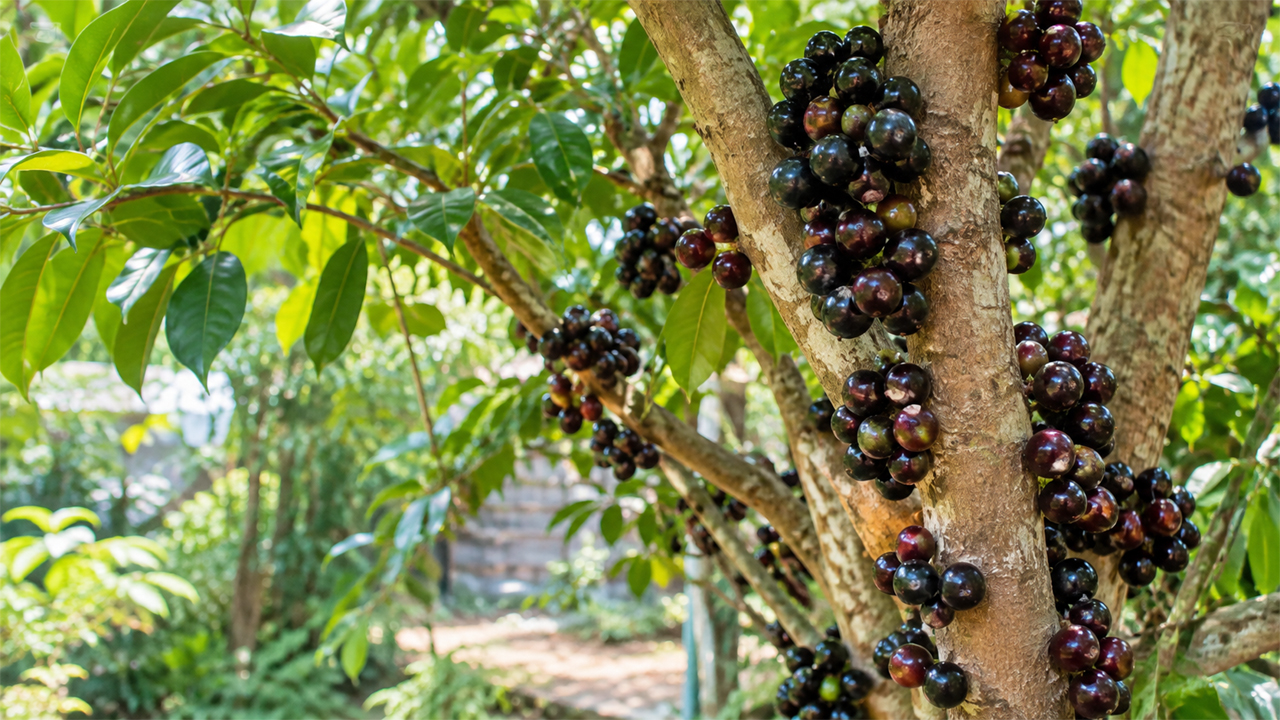
Plinia trees are fascinating tropical fruit plants known for their attractive foliage, smooth trunks, and delicious fruits that grow directly on their branches and trunks. Belonging to the myrtle family, Myrtaceae, these trees are native to South America, particularly Brazil, where several species thrive in warm, humid environments. One of the best-known members of this group is Plinia cauliflora, commonly called jabuticaba, which produces dark purple to nearly black fruits with sweet, juicy flesh.
Growing Plinia trees at home can be a rewarding experience for gardeners who appreciate unusual fruit plants and ornamental trees. Although they are not as widely cultivated as mangoes or citrus trees, many Plinia species can grow successfully in suitable gardens, greenhouses, and large containers. Their long-term success depends on understanding their environmental requirements, providing consistent moisture, maintaining healthy soil, and practising careful pruning and feeding.
Whether you are an experienced tropical gardener or a beginner interested in growing exotic fruit, learning the basic requirements of Plinia trees will help you establish strong plants and create the right conditions for healthy development.
Choosing the Right Plinia Species for Your Garden
Selecting a suitable species is the first important step when growing Plinia trees. Different species vary in mature size, fruit characteristics, growth rate, and tolerance of environmental conditions. Plinia cauliflora is particularly popular among home gardeners because of its attractive appearance and distinctive fruiting habit. Other related species, including Plinia phitrantha, are also valued by collectors and tropical fruit enthusiasts.
Before purchasing a tree, consider the climate, available growing space, and whether you intend to grow it primarily for fruit production or ornamental appeal. Some species can eventually become medium-sized trees, while others may remain more manageable in containers with appropriate care.
Healthy nursery-grown plants are generally a practical choice for beginners. Look for a plant with green leaves, a strong central stem, and an established root system. Avoid specimens with yellowing foliage, damaged branches, visible pests, or roots that appear severely crowded.
It is also important to confirm the plant’s identity before buying it because common names can be used inconsistently by sellers. Choosing a correctly identified species helps you understand its expected size, fruiting characteristics, and environmental preferences.
Understanding the Ideal Climate and Growing Conditions
Plinia trees generally prefer warm, humid conditions similar to those found in tropical and subtropical regions. They grow best when temperatures remain relatively stable, with adequate warmth throughout the growing season. Prolonged exposure to cold weather can slow growth, damage leaves, and affect young plants more severely than established trees.
A location with bright light and some protection from harsh environmental conditions is ideal. Mature trees often benefit from substantial sunlight, but young nursery plants may establish more successfully when gradually introduced to stronger light. Sudden exposure to intense afternoon sun can scorch tender leaves, particularly when a plant has previously grown under shade.
Humidity is another important consideration. Plinia trees generally appreciate moist air, especially during periods of active growth. In dry climates, container-grown specimens may benefit from grouping plants together or placing them in a sheltered area that reduces exposure to drying winds.
Good air circulation remains essential, even in humid conditions. A location that receives gentle airflow helps leaves dry more efficiently after watering and reduces the risk of fungal problems. By balancing warmth, light, humidity, and ventilation, gardeners can create a suitable environment for healthy development.
Preparing the Soil for Strong Root Development
Healthy soil provides the foundation for successful Plinia cultivation. These trees generally prefer fertile, moisture-retentive soil that drains efficiently and contains plenty of organic matter. Although they need consistent moisture, their roots should not remain submerged in stagnant water for extended periods.
A slightly acidic growing medium is often suitable for Plinia trees. Soil that is excessively alkaline may limit the availability of certain nutrients, potentially leading to pale or yellowing leaves. If plants repeatedly show signs of nutrient deficiencies, checking the soil pH can help identify the underlying problem.
For garden planting, improve the existing soil by incorporating mature compost and other well-decomposed organic materials where appropriate. Avoid creating an excessively rich planting pocket surrounded by very different soil, as this can sometimes interfere with natural root expansion and water movement.
Container-grown plants require a loose, stable potting mixture that retains moisture without becoming waterlogged. A quality potting medium containing organic matter and suitable drainage components can provide a useful starting point. Always choose a container with sufficient drainage holes.
When planting directly in the ground, select a site where water does not collect after heavy rain. Healthy roots need both moisture and oxygen, so drainage should be treated as an essential part of soil preparation rather than an optional improvement.
Planting Plinia Trees Correctly
The planting process can significantly influence how quickly a young Plinia tree establishes itself. Choose a location that offers enough room for the mature plant and allows you to reach the tree for watering, pruning, and harvesting.
Dig a hole wider than the root ball but no deeper than necessary. Position the tree so that the upper surface of its root ball remains approximately level with the surrounding soil. Planting too deeply can contribute to stem problems and poor establishment.
Backfill around the roots with the original soil, gently firming it to remove large air pockets without compacting the ground excessively. Water thoroughly after planting to settle the soil and provide immediate moisture to the root zone.
Applying a layer of organic mulch around the tree helps retain soil moisture, moderate root temperatures, and reduce weed competition. Keep the mulch several centimetres away from the trunk to prevent excessive moisture from accumulating against the bark.
Young trees should be monitored closely during their first growing season. Their root systems may take time to become established, so consistent care is especially important during hot weather or periods without rain.
Watering and Maintaining Consistent Moisture
Water management is one of the most important aspects of growing Plinia trees successfully. These plants generally perform well when their root zones remain evenly moist, and prolonged dryness can cause stress, leaf damage, and interrupted growth. Young plants are particularly vulnerable because their roots have not yet spread widely through the soil.
Instead of following a rigid watering schedule, check the soil regularly. If the upper layer is beginning to dry, water thoroughly while allowing excess moisture to drain away. Container-grown trees may require more frequent watering than plants established in the ground, especially during warm weather.
Avoid watering automatically when the soil is already saturated. Excessive moisture combined with poor drainage can deprive roots of oxygen and encourage root rot. Yellowing leaves, persistent wilting despite wet soil, and unpleasant-smelling growing media may indicate that drainage needs attention.
Rainfall, temperature, humidity, pot size, and plant maturity all affect watering requirements. During cooler weather, water use may decrease, while hot and windy conditions can increase moisture loss.
Mulching is an effective way to reduce fluctuations in soil moisture. Combined with regular observation, it helps create a more stable root environment and supports steady growth.
Fertilizing for Healthy Leaves and Better Fruit Production
Plinia trees benefit from balanced nutrition, particularly when growing in containers or nutrient-poor garden soil. A suitable fertilizer can support root development, healthy foliage, flowering, and fruit formation. However, applying excessive fertilizer can damage roots or encourage excessive leafy growth at the expense of other development.
Use a balanced fertilizer appropriate for acid-loving fruit plants, following the manufacturer’s recommended dosage and application frequency. Slow-release products can be convenient for container cultivation, while suitable organic amendments may help improve soil structure and gradually supply nutrients.
Young trees generally need conservative feeding while their roots establish. As plants become larger, their nutritional requirements may increase, especially when they begin producing fruit.
Watch the leaves for changes that may indicate nutritional problems. General yellowing, pale new growth, or unusually weak development can result from nutrient deficiencies, but similar symptoms may also be caused by unsuitable soil pH, damaged roots, or inconsistent watering.
Avoid fertilizing severely dry or stressed plants. Water the root zone appropriately and address the underlying problem before resuming a regular feeding programme.
Pruning and Maintaining an Attractive Tree Shape
Plinia trees often develop attractive branching structures naturally, so extensive pruning is rarely necessary for ordinary home cultivation. Light pruning can help maintain a manageable shape, remove damaged growth, and improve access to the trunk and branches.
The best approach is to remove dead, diseased, crossing, or badly positioned branches using clean, sharp pruning tools. Large cuts should be avoided unless necessary because unnecessary removal of healthy growth can delay development.
For container-grown specimens, occasional shaping may help prevent the plant from becoming too large for its available space. However, aggressive pruning can reduce flowering and fruit production, particularly if productive branches are removed.
One distinctive feature of certain Plinia species is cauliflory, the development of flowers and fruits directly on the trunk and older branches. This unusual growth habit is part of their ornamental appeal and makes it important to preserve healthy trunk surfaces and avoid unnecessary damage.
Inspect the tree periodically for deadwood, damaged bark, and crowded growth. Gentle maintenance helps preserve its natural appearance while supporting long-term health.
Growing Plinia Trees in Containers
Container cultivation is an excellent option for gardeners who lack suitable garden soil or need to protect their plants from cold weather. It also allows greater control over soil composition, drainage, and growing conditions.
Choose a sturdy container with drainage holes and enough space for root development. Starting with a moderately sized pot and moving to a larger one as the tree grows can make watering easier and reduce the risk of keeping a small root system in an excessively large volume of wet soil.
Container-grown Plinia trees should be placed in a bright location with suitable protection from extreme heat, cold, and strong winds. Rotate the pot occasionally if light reaches the plant unevenly.
As roots fill the container, growth may slow and watering requirements may change. Repotting into a slightly larger container with fresh growing medium can restore space for root development. Avoid disturbing the roots unnecessarily, as Plinia trees can respond poorly to severe root damage.
Container plants may also need more frequent nutritional attention because regular watering can gradually remove nutrients from the growing medium.
Preventing Pests and Common Growing Problems
Healthy Plinia trees are easier to maintain when problems are identified early. Potential pests include scale insects, aphids, and mealybugs, which may feed on leaves, stems, or young growth. Inspect the undersides of leaves and the areas around branch joints regularly.
Small infestations may sometimes be controlled by removing affected material or washing pests away with water. For persistent problems, use an appropriate treatment according to its label and avoid applications that could harm beneficial insects.
Fungal diseases are more likely to become problematic when air circulation is poor or roots remain excessively wet. Maintain suitable spacing, remove fallen diseased material, and avoid repeatedly wetting the foliage when conditions encourage disease development.
Leaf drop or slow growth does not always indicate a serious disease. Changes in temperature, transplant stress, irregular watering, and nutrient availability can all affect plant performance. Assess the growing conditions before applying treatments unnecessarily.
Consistent observation, clean tools, appropriate watering, and good drainage form the basis of an effective prevention strategy.
Encouraging Flowering and Harvesting Plinia Fruits
Patience is essential when growing Plinia trees for fruit. The time required to reach productive maturity varies considerably depending on the species, growing conditions, propagation method, and age of the plant. Seed-grown trees may take substantially longer to fruit than established nursery plants produced through suitable vegetative methods.
Provide adequate light, stable moisture, and balanced nutrition to support flowering and fruit development. Avoid major environmental changes or excessive pruning during periods when the tree is preparing to flower or carry fruit.
For jabuticaba and other cauliflorous species, flowers may emerge directly from the trunk and older branches. Following successful pollination, the fruits develop in these same areas, creating a striking appearance as they mature.
Harvest fruits when they have developed their characteristic colour and are ready to eat. In jabuticaba, ripe fruits typically become deep purple to almost black, depending on the species or cultivar. They are generally best enjoyed fresh because their quality can decline relatively quickly after picking.
Harvest gently to avoid damaging the bark, developing fruiting sites, or surrounding branches. Regular observation helps you identify ripeness and collect fruit at its best.
Conclusion
Growing Plinia trees successfully requires attention to climate, soil quality, moisture, nutrition, and long-term plant health. By choosing a suitable species, preparing well-drained soil, providing consistent watering, and protecting young plants from environmental stress, gardeners can establish attractive trees that may eventually produce distinctive tropical fruits.
Whether grown in a garden or a container, Plinia trees reward patience and careful observation. With appropriate care and realistic expectations about their growth and fruiting timeline, these unusual tropical plants can become a valuable addition to a home fruit garden, offering ornamental beauty, fascinating growth habits, and the possibility of enjoying freshly harvested fruit.
