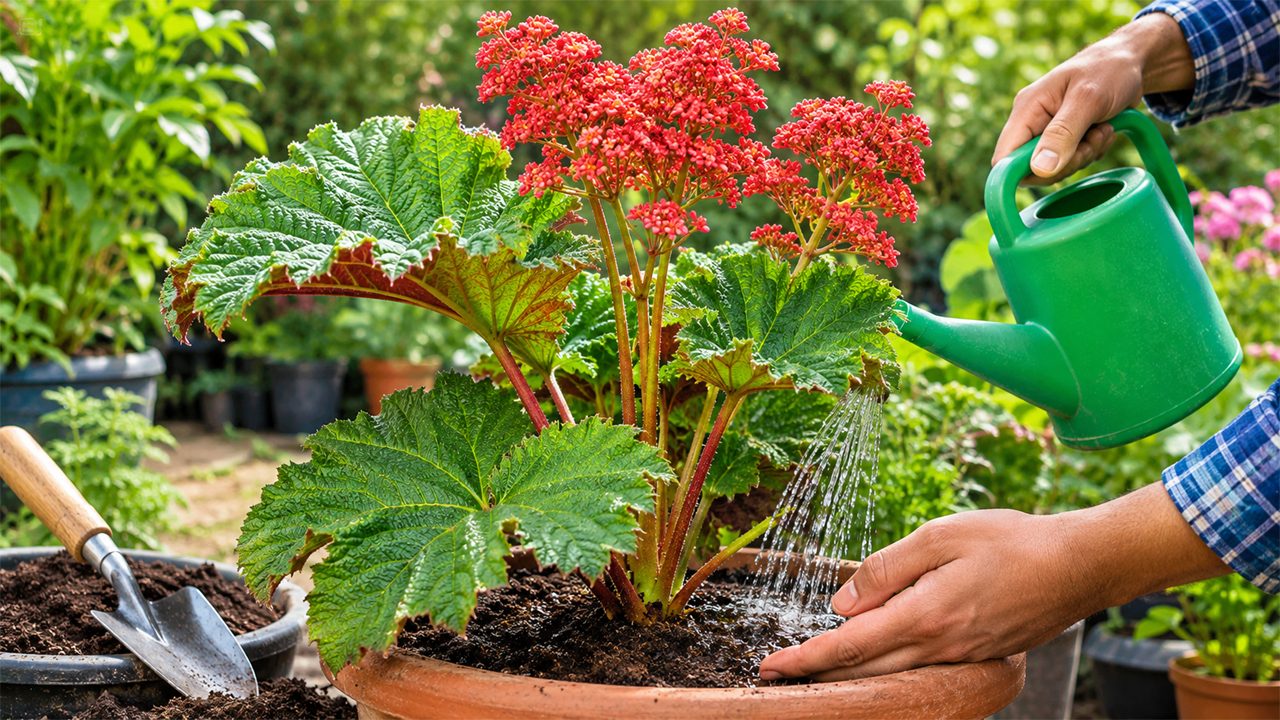
Gunnerales is a fascinating order of flowering plants known for its unusual botanical characteristics, distinctive foliage, and remarkable adaptations to different environments. It includes two plant families, Gunneraceae and Myrothamnaceae, which contain species with very different appearances and growing habits. Among the best-known members is Gunnera, a genus recognized for its enormous leaves and impressive growth in moist landscapes. These plants are particularly attractive to gardeners who appreciate tropical-looking foliage, unusual botanical specimens, and naturalistic garden designs.
Growing Gunnerales plants successfully requires an understanding of their individual environmental needs. While many Gunnera species prefer consistently moist soil and humid conditions, members of Myrothamnaceae have different adaptations and may tolerate periods of dryness. Providing suitable growing conditions is therefore essential for healthy development, strong foliage, and long-term plant growth.
Choosing the Right Location for Healthy Growth
Selecting an appropriate location is one of the most important steps in cultivating Gunnerales plants. Many popular Gunnera species naturally grow in damp environments, including stream banks, wetlands, and cool, humid woodland areas. Recreating similar conditions in a garden can encourage vigorous growth and help the plants develop their characteristic large leaves.
A partially shaded location is generally suitable for many Gunnera varieties, especially in regions with warm summers. Gentle morning sunlight can support healthy development, while protection from intense afternoon sunshine helps prevent leaf scorching. In cooler climates, some species can tolerate more direct sunlight when their roots have access to sufficient moisture.
Gardeners should also consider the mature size of the plant before choosing a position. Certain Gunnera species spread considerably and produce enormous leaves that require plenty of surrounding space. Planting them too close to paths, buildings, or smaller ornamental plants can create overcrowding as they mature.
Preparing the Soil for Strong Plant Development
Healthy soil provides the foundation for successful Gunnerales cultivation. Many Gunnera plants grow best in deep, fertile soil containing plenty of organic matter. The growing medium should retain moisture effectively while maintaining enough structure to support healthy root development.
Before planting, improve the soil by incorporating well-rotted compost, leaf mould, or other suitable organic material. These additions improve soil structure, increase nutrient availability, and support beneficial soil organisms. A slightly acidic to neutral soil is generally suitable for many commonly cultivated Gunnera species, although individual requirements can vary.
Good soil preparation is particularly important in gardens with sandy or compacted ground. Sandy soil may require additional organic matter to improve water retention, while heavy clay soil can benefit from suitable amendments that improve its structure. Avoid assuming that every member of Gunnerales requires permanently wet conditions, as the requirements of Myrothamnus are substantially different.
Watering Techniques for Consistent Plant Growth
Water management plays a major role in the successful cultivation of moisture-loving Gunnera species. Their large leaves lose considerable moisture through transpiration, making a consistent water supply important during active growth. The soil should remain reliably moist, particularly during warm weather and periods of limited rainfall.
Water plants deeply around their root zones rather than relying on frequent, shallow watering. This encourages moisture to reach the deeper soil layers where roots can access it. During particularly hot periods, monitor soil moisture regularly and increase watering when necessary.
Mulching around the base of the plant can help reduce evaporation and maintain more stable soil conditions. Organic mulch, such as composted bark or leaf mould, also gradually improves soil quality as it decomposes. Keep mulch away from direct contact with the crown to reduce the risk of rot.
Myrothamnus species require a different approach because they are adapted to environments with seasonal moisture availability. Their watering schedule should reflect their natural growing conditions rather than the consistently moist requirements associated with many Gunnera plants.
Providing Suitable Temperature and Humidity
Temperature and humidity influence leaf development, root activity, and overall plant health. Many commonly grown Gunnera species prefer mild to moderately cool conditions with sufficient atmospheric moisture. Extremely hot and dry weather can cause leaf edges to brown, particularly when the root system cannot absorb water quickly enough to replace moisture lost through the foliage.
A sheltered garden location can protect plants from drying winds and sudden temperature changes. In warmer regions, partial shade and regular watering can help maintain healthier foliage. In colder climates, gardeners should identify the hardiness of their particular species before planting outdoors.
Some Gunnera species tolerate seasonal cold, but their crowns and roots may benefit from protective mulch during winter. Avoid applying excessive insulation that traps moisture directly against vulnerable plant tissues.
Feeding Gunnerales Plants for Vigorous Development
Nutrient availability is another important factor in maintaining healthy growth. Large-leaved Gunnera plants benefit from fertile growing conditions, particularly during their active growing season. Applying a balanced, slow-release fertilizer in spring can support the development of strong leaves and healthy root systems.
Organic fertilizers and mature compost are useful options for improving soil fertility gradually. Apply fertilizer according to the product instructions and avoid excessive feeding, which can encourage weak growth or create unnecessary nutrient imbalances.
Plants growing in nutrient-rich soil may require less additional feeding than those established in poorer ground. Observing foliage colour, growth rate, and general plant condition can help determine whether additional nutrients are needed.
Propagation Methods for Growing New Plants
Gunnerales plants can be propagated through different methods depending on the species. Gunnera is commonly propagated through seeds or division of established plants. Seed propagation requires patience because germination can be variable and young seedlings may take time to develop into substantial specimens.
For seed propagation, use a clean seed-starting medium that retains moisture without becoming excessively waterlogged. Maintain suitable warmth, indirect light, and consistent moisture while the seeds establish. Once seedlings become sufficiently developed, they can be transferred into individual containers and gradually grown into stronger plants.
Division is another practical option for suitable established Gunnera specimens. Carefully separate healthy sections with viable roots and growing points, preferably during a favourable period for plant establishment. Replant divisions promptly and maintain consistent soil moisture while new roots develop.
Propagation techniques for Myrothamnus differ, so gardeners should follow species-specific requirements rather than applying Gunnera methods to every member of the order.
Pruning and Routine Maintenance
Regular maintenance helps Gunnerales plants remain attractive and reduces the likelihood of disease problems. For Gunnera, remove dead, damaged, or severely deteriorating leaves using clean gardening tools. This improves the appearance of the plant and allows better air circulation around its growing crown.
Avoid removing healthy leaves unnecessarily because they contribute to photosynthesis and support overall development. At the end of the growing season, spent foliage can be cleared according to the plant’s winter-care requirements.
Monitor the surrounding soil and remove competing weeds before they become established. Mulching can reduce weed growth while helping maintain moisture. Large Gunnera plants may also require occasional removal of unwanted seedlings to prevent excessive spreading.
Managing Common Pests and Plant Diseases
Although Gunnerales plants can grow vigorously under suitable conditions, they may occasionally experience pest and disease problems. Slugs and snails can damage young leaves, leaving irregular holes and weakened foliage. Regular inspection, garden hygiene, and appropriate pest-management practices can help reduce their impact.
Fungal problems may develop when plants experience poor air circulation or unsuitable soil conditions. Excessively waterlogged soil around vulnerable crowns can encourage rot, while prolonged leaf wetness may increase certain disease risks.
Preventive care is generally more effective than treating serious problems after they develop. Maintain suitable spacing, remove decaying plant material, use healthy planting stock, and adjust watering according to the species. If symptoms appear, identify the underlying cause before applying any treatment.
Seasonal Care for Long-Term Plant Health
Seasonal adjustments help maintain consistent plant development throughout the year. During spring, prepare the growing area, remove damaged foliage, improve the soil with organic matter, and begin feeding actively growing plants when appropriate.
Summer usually requires closer attention to watering, particularly for Gunnera specimens exposed to warm temperatures. Check soil moisture frequently and protect vulnerable plants from prolonged heat and drying winds.
During autumn, gradually reduce feeding as growth slows. Remove deteriorating leaves and prepare cold-sensitive plants for winter. Depending on the species and local climate, protective mulch may help shield the crown from freezing temperatures.
Winter maintenance should focus on protecting vulnerable growing points and avoiding unnecessary disturbance. Always consider the specific hardiness requirements of the species being cultivated.
Conclusion: Building a Healthy Gunnerales Garden
Successfully growing Gunnerales plants involves understanding their botanical diversity and providing conditions suited to each species. Gunnera plants generally thrive in fertile, moisture-retentive soil, sheltered locations, and environments with consistent water availability. Myrothamnus species, however, require different growing conditions that reflect their distinctive adaptations.
With careful site selection, appropriate watering, balanced nutrition, seasonal maintenance, and regular monitoring, gardeners can encourage healthy development and enjoy the remarkable characteristics of these unusual flowering plants. Matching cultivation techniques to the individual species is ultimately the most reliable way to achieve strong, attractive, and long-lasting growth.