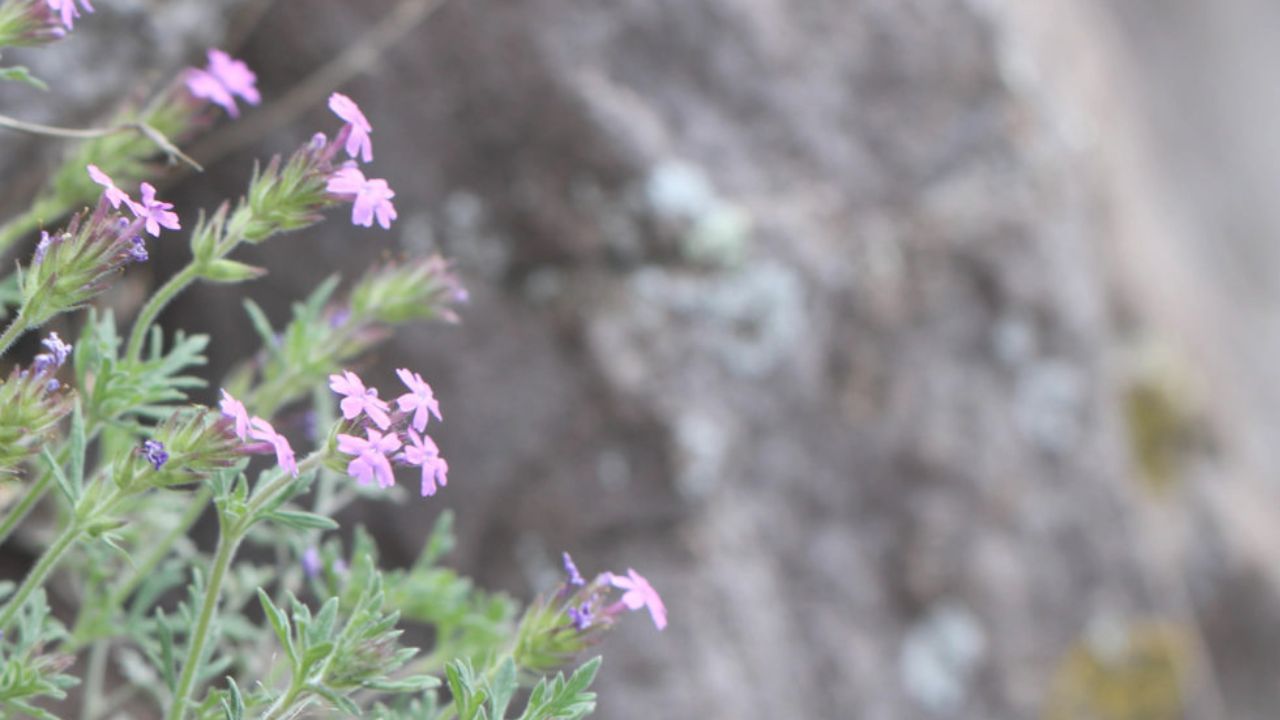
Vervain is a graceful, hardy flowering plant valued for its delicate blooms, upright growth, and ability to attract beneficial pollinators. Depending on the species, vervain can be grown as an annual, perennial, or short-lived herbaceous plant. Its slender stems and clusters of small flowers make it an attractive addition to cottage gardens, borders, wildflower areas, containers, and pollinator-friendly landscapes.
Growing vervain at home is relatively simple once the plant receives enough sunlight, well-draining soil, and appropriate moisture. It generally prefers conditions that are not overly rich or wet, making it a useful choice for gardeners looking for a low-maintenance flowering plant. With the right planting technique and regular care, vervain can establish strong roots and produce flowers throughout much of the growing season.
Choose the Right Vervain Variety
Before planting, it is important to choose a vervain variety suited to your climate and growing conditions. Vervain belongs to the genus Verbena, which includes many different species with varying growth habits. Some varieties form compact plants suitable for containers and borders, while others develop taller stems that work especially well in naturalistic or meadow-style gardens.
When selecting seeds or young plants, consider the mature height, flower color, hardiness, and expected growing season. Choose a variety that can tolerate the temperatures in your area. Healthy nursery plants should have firm stems, vibrant foliage, and no obvious signs of pests or disease.
Select the Best Planting Location
Vervain performs best in a location that receives plenty of sunlight. Aim for at least six hours of direct sunlight each day, although some varieties can tolerate light afternoon shade in particularly hot climates. Good sunlight encourages stronger stems, healthier foliage, and more abundant flowering.
Choose a location with good air circulation and avoid areas where water collects after rain. Poor drainage can create unfavorable conditions around the roots and may eventually lead to root problems. A slightly elevated garden bed or gently sloping area can be ideal if your soil tends to remain wet.
For container growing, place the pot somewhere bright and sunny, such as a south- or west-facing patio, balcony, or windowside location that receives several hours of direct light.
Prepare the Soil Properly
Vervain is not especially demanding about soil, but it grows best in loose, well-draining soil. A moderately fertile soil containing organic matter can support healthy growth without encouraging excessive leafy growth at the expense of flowers.
Before planting, loosen the soil to a depth of around 8 to 12 inches. Remove large stones, weeds, and compacted roots. If the soil is heavy clay, incorporate compost or another suitable organic material to improve drainage and structure. Avoid creating an excessively rich planting bed because vervain generally performs well in relatively modest soil conditions.
The soil should retain enough moisture to support establishment while allowing excess water to drain away quickly.
Start Vervain from Seeds
Growing vervain from seed is an economical way to produce several plants. Depending on the variety, seeds can be started indoors before the last expected frost or sown directly outdoors when suitable conditions arrive.
Fill seed trays or small containers with a light, well-draining seed-starting mix. Scatter the seeds over the surface and cover them only lightly with a thin layer of growing medium. Avoid burying them deeply because many small flower seeds benefit from shallow planting and access to light.
Keep the growing medium lightly moist rather than saturated. Place the containers in a bright location with suitable temperatures and good air circulation. Germination can take some time, so patience is important. Once seedlings develop several true leaves and become strong enough to handle, they can gradually be acclimated to outdoor conditions.
Plant Vervain Seedlings Outdoors
Before moving indoor-grown seedlings into the garden, harden them off gradually. Place the young plants outdoors for a few hours each day, increasing their exposure over approximately a week. This helps them adjust to sunlight, wind, and outdoor temperatures.
Plant seedlings after the risk of severe frost has passed if you are growing a frost-sensitive variety. Space plants according to their mature size, generally leaving enough room between them for good air circulation and expansion.
Dig a hole slightly larger than the root ball, position the plant at the same depth at which it was growing in its container, and gently fill the surrounding soil. Water thoroughly after planting to settle the roots.
Water Vervain Correctly
Newly planted vervain needs consistent moisture while its roots become established. Water deeply when the upper layer of soil begins to dry, but avoid keeping the soil constantly saturated.
Once established, many vervain varieties become relatively drought tolerant. During normal weather, allow the soil to dry slightly between waterings. During periods of prolonged heat or drought, provide additional water when the plant shows signs of stress or the soil becomes excessively dry.
Morning watering is generally preferable because it gives foliage time to dry during the day and helps reduce conditions that encourage fungal problems. Direct water toward the base of the plant rather than repeatedly soaking the leaves.
Fertilize for Healthy Growth
Vervain usually does not require heavy feeding. If the soil is reasonably fertile, a moderate application of balanced fertilizer at the beginning of the growing season may be enough.
Too much nitrogen can encourage rapid leafy growth while reducing flowering, so avoid excessive fertilization. A thin layer of compost around established plants can provide gentle nutrition while also improving soil structure.
Container-grown vervain may require more frequent feeding because nutrients are gradually washed out of the potting mix. Use a balanced fertilizer according to the product instructions and avoid overfeeding.
Prune and Deadhead Regularly
Regular maintenance can help vervain remain attractive and encourage continued flowering. Remove faded flower clusters before they become heavily developed with seed if you want the plant to concentrate more energy on producing additional blooms.
Light pruning can also help maintain a compact shape. If stems become excessively tall, weak, or untidy, trim them back moderately using clean, sharp pruning shears. Avoid removing too much healthy growth at once.
Some vervain varieties can naturally reseed themselves. If you want additional plants in the garden, allow a few flower heads to mature and drop their seeds. If you prefer a controlled planting area, remove spent flowers before seeds develop.
Protect Vervain from Pests and Diseases
Vervain is generally a resilient plant, but it can occasionally experience problems with aphids, spider mites, whiteflies, or other small sap-feeding insects. Regularly inspect the stems and undersides of leaves so problems can be identified early.
Strong plants grown in suitable conditions are usually better able to tolerate minor pest activity. Good spacing and air circulation can also reduce the likelihood of fungal diseases. Avoid excessive watering and make sure the soil drains efficiently.
If you notice damaged leaves, discoloration, or unusual growth, remove severely affected plant material and improve growing conditions. Keeping the garden free of dead foliage and weeds can also help maintain a healthier growing environment.
Grow Vervain in Containers
Vervain can be grown successfully in containers when garden space is limited. Select a pot with drainage holes and choose a container large enough to accommodate the mature root system of your particular variety.
Use a quality, well-draining potting mix rather than dense garden soil. Place the container in full sun and monitor moisture more frequently than you would for plants growing directly in the ground.
Container plants can dry out faster during hot weather, so check the soil regularly. At the same time, make sure the drainage holes remain clear and never allow the container to sit continuously in standing water.
Provide Seasonal Care
Vervain’s care requirements change somewhat throughout the year. During spring, focus on planting, seedling establishment, and removing competing weeds. As temperatures rise in summer, monitor soil moisture and deadhead flowers regularly to encourage continued blooming.
In autumn, remove unhealthy or damaged growth and collect mature seeds if you want to grow vervain again. Perennial varieties may benefit from a layer of light mulch in regions where winter temperatures become particularly cold. However, avoid piling wet mulch directly against the crown or stems.
Annual varieties can simply be allowed to complete their natural life cycle, while perennial varieties may return from their roots when growing conditions become favorable again.
Encourage More Flowers
The best way to encourage abundant vervain flowering is to provide plenty of sunlight and avoid excessive nitrogen. Plants grown in bright locations generally produce stronger flowering than those placed in deep shade.
Deadheading spent blooms can encourage some varieties to produce additional flowers. Regular but moderate watering during dry periods also helps prevent unnecessary stress.
Do not overcrowd plants. Adequate space allows sunlight to reach the foliage and improves air movement around the stems, creating healthier growing conditions.
Common Growing Mistakes to Avoid
One of the most common mistakes is planting vervain in poorly drained soil. Constantly wet roots can weaken the plant and cause serious problems. Another mistake is placing it in heavy shade, where flowering may become sparse and growth can become weak or stretched.
Overwatering is another frequent issue, particularly with container plants. Water based on soil moisture rather than following a rigid daily schedule. Excessive fertilizer can also lead to lush foliage with fewer flowers, so feed conservatively.
Finally, avoid planting young seedlings outdoors without hardening them off. Gradual exposure to outdoor conditions gives them a better chance of establishing successfully.
Enjoy a Healthy Vervain Garden
Growing vervain at home is a rewarding project for both beginning and experienced gardeners. With a sunny location, well-drained soil, sensible watering, and occasional maintenance, these attractive flowering plants can become a reliable part of the garden.
Whether planted along borders, mixed into a pollinator garden, grown in containers, or allowed to naturalize in a meadow-style space, vervain adds delicate color and vertical interest without demanding constant attention. Start with a variety suited to your local climate, give it the growing conditions it prefers, and allow the plant enough space to develop naturally. With consistent care, vervain can provide an attractive display of flowers and bring useful pollinator activity to the garden throughout its growing season.
