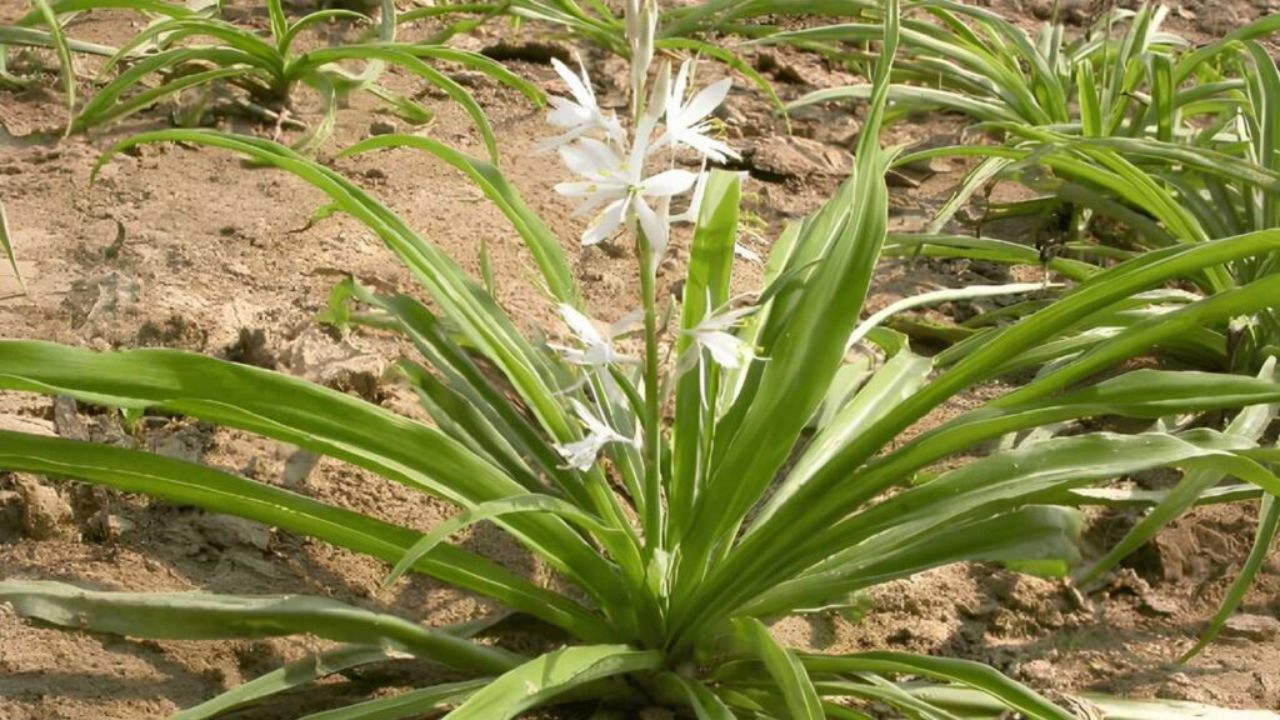
Musli is a valuable medicinal plant commonly grown for its underground roots. Depending on the variety, musli may refer to plants such as safed musli, which is especially popular for cultivation because of its attractive market value and useful roots. Growing musli at home can be rewarding when the plant receives suitable soil, warmth, moisture, and regular care throughout its growing season.
The plant generally performs best in warm conditions and a well-drained growing medium. Since the useful portion develops underground, soil preparation is particularly important. Heavy, compacted soil can restrict root development and encourage rot, while loose soil allows the roots to expand more easily. With the right conditions, musli can be grown successfully in a garden bed, raised bed, or sufficiently deep container.
Choosing the Right Location
Select a location that receives several hours of bright sunlight each day. Musli prefers warm conditions and generally grows better when it receives plenty of natural light. A spot with morning and afternoon sunlight is ideal, although extremely intense heat can sometimes stress young plants if moisture is inadequate.
Good air circulation is also helpful. Avoid planting musli in an area where water regularly collects after rain or irrigation. Excess moisture around the roots can lead to fungal problems and poor development. A slightly elevated garden bed or raised container can provide better drainage and make cultivation easier.
Preparing the Soil for Musli
Soil preparation is one of the most important steps when growing musli. The soil should be loose, fertile, well-drained, and rich in organic matter. Sandy loam or another light-textured soil is generally suitable because it allows underground roots to develop without excessive resistance.
Before planting, loosen the soil thoroughly to a depth of around 20 to 30 centimeters. Remove stones, weeds, roots, and large clumps that could interfere with root growth. Mix mature compost or well-decomposed organic matter into the soil to improve fertility and structure.
Avoid using fresh manure directly around the planting material because it can be too strong and may encourage unwanted problems. A well-prepared growing medium should remain crumbly rather than becoming sticky or compacted after watering.
Selecting Planting Material
Musli can be propagated from seeds or suitable underground planting material, depending on the variety and availability. If growing from seed, select clean, healthy seeds from a reliable source. Seeds should not show signs of mold, damage, or excessive age.
If using root or tuber-like planting material, choose firm and healthy pieces without soft spots, discoloration, or visible disease. Healthy starting material gives the plant a stronger beginning and can improve the chances of producing well-developed roots.
Because musli varieties can differ considerably, identify the particular type you intend to grow before planting. This is especially important if your goal is to harvest roots for cultivation rather than simply grow the plant as an ornamental or experimental crop.
Planting Musli at Home
Plant musli when the weather is consistently warm and the risk of cold conditions has passed. If starting from seeds, sow them in a prepared bed or containers with moist, loose soil. Avoid burying small seeds too deeply because excessive soil coverage can make emergence difficult.
For planting underground material, make shallow planting holes and place the material carefully in the soil according to its size. Cover it with a light layer of soil and water gently. The soil should be moist but not saturated.
Spacing is important because overcrowded plants compete for sunlight, nutrients, air, and underground space. Give individual plants enough room for their foliage to spread and their roots to develop properly. Container-grown plants should also have sufficient depth for underground growth.
Watering Musli Correctly
Musli needs consistent moisture during active growth, but it does not tolerate continuously waterlogged soil. After planting, keep the soil lightly moist while the plant establishes itself. Once growth becomes stronger, allow the upper layer of soil to dry slightly before watering again.
The exact watering frequency depends on temperature, rainfall, soil type, and container size. During hot and dry weather, plants may require more frequent watering, while rainy periods may require little or no additional irrigation.
Always check the soil before watering instead of following a rigid schedule. If the soil still feels noticeably wet, wait before adding more water. Good drainage is just as important as adequate moisture.
Providing Proper Sunlight
Sunlight supports healthy leaf growth and helps the plant produce energy during its growing season. Place musli where it receives bright, direct sunlight for much of the day.
Young plants may need some protection during periods of extreme heat, particularly when grown in containers that dry out quickly. However, avoid keeping the plant in deep shade because insufficient light can result in weak, stretched growth.
If growing musli indoors, a sunny window may work temporarily, but outdoor cultivation is generally more suitable when the climate allows it. The plant benefits from natural sunlight and good air circulation.
Feeding and Fertilizing Musli
Musli generally benefits from fertile soil containing sufficient organic matter. Incorporating compost before planting can provide a useful nutritional foundation. During active growth, a mild organic fertilizer or balanced plant feed can be applied when necessary.
Avoid excessive fertilizer, particularly nitrogen-heavy products. Too much nitrogen may encourage abundant leafy growth without producing the strong underground development you are aiming for.
Feed according to the condition of the plant and the fertility of the soil. Plants with healthy green foliage and steady growth may not need frequent feeding. Container-grown plants can require more attention because nutrients are gradually depleted from a limited volume of soil.
Managing Weeds Around Musli
Weeds compete with musli for water, nutrients, sunlight, and growing space. Keep the area around the plants relatively clean, especially during the early stages of growth.
Remove weeds carefully by hand or with a small garden tool. Take care not to disturb the developing roots. A thin layer of organic mulch can help suppress weeds while also reducing moisture loss from the soil.
Mulch should not be piled directly against the base of the plant. Keeping a small gap around the stem improves airflow and reduces the chance of excessive moisture accumulating around the plant crown.
Protecting Plants From Pests and Diseases
Healthy musli plants grown in suitable conditions are generally easier to maintain. Problems can become more common when plants are overcrowded, overwatered, or grown in poorly drained soil.
Inspect leaves and stems regularly for unusual spots, discoloration, chewing damage, or insects. Early detection makes problems easier to manage. Remove severely affected plant material when appropriate and maintain good garden hygiene.
Overwatering is one of the most important problems to avoid because constantly wet soil can contribute to root and fungal diseases. Proper drainage, reasonable spacing, and careful watering can significantly reduce these risks.
Growing Musli in Containers
Musli can also be grown in containers if you do not have a garden. Choose a reasonably deep container with several drainage holes. The container should provide enough space for underground roots to develop without becoming severely crowded.
Use a loose mixture containing quality garden soil, compost, and a material that improves drainage. Place the container in a sunny location and monitor moisture more frequently than you would in a garden bed because containers can dry out quickly during hot weather.
Do not allow water to remain trapped in the tray beneath the container. Empty excess water when necessary so the growing medium does not remain saturated.
Understanding the Musli Growing Season
Musli develops gradually, with much of its important growth taking place beneath the soil. During the vegetative stage, the plant produces leaves and establishes its underground system. Consistent moisture, warmth, sunlight, and adequate nutrition during this period help support later root development.
As the growing season progresses, observe changes in the foliage and overall plant condition. Avoid disturbing the soil unnecessarily because the roots are developing underground and can be damaged by repeated digging.
Patience is important. Harvesting too early may result in smaller or less-developed roots, while allowing the plant to complete an appropriate growing period can produce a better harvest.
Knowing When Musli Is Ready to Harvest
Harvest timing depends on the particular musli variety and local growing conditions. In many cases, the plant begins to show signs of maturity as its above-ground growth naturally slows or starts to dry down toward the end of its growing cycle.
Do not rely on leaf appearance alone. The recommended harvest period can vary, so growers should consider the characteristics of their specific variety and planting date.
When the crop appears mature, loosen the soil carefully around the plant rather than pulling aggressively. Since the roots are the primary harvested portion, gentle digging helps prevent unnecessary breakage.
Harvesting Musli Roots Carefully
Watering lightly before harvesting can make dry soil easier to work with, but avoid harvesting when the soil is excessively wet. Use a small digging tool to loosen the surrounding soil and gradually expose the underground roots.
Lift the plant carefully and separate the roots from the soil. Remove damaged or diseased portions and clean away loose soil gently. Avoid rough handling because freshly harvested roots can be fragile.
After harvesting, the roots should be handled according to their intended use. If they are being retained as planting material, choose healthy specimens and store them under suitable conditions rather than leaving them exposed to excessive heat or moisture.
Cleaning and Drying the Harvest
Freshly harvested musli roots may contain considerable soil, so they should be cleaned carefully. Remove excess soil without causing unnecessary damage to the outer surface.
If the roots are intended for drying, place them in a clean, well-ventilated location away from excessive moisture. Proper drying helps reduce spoilage, but the exact drying process depends on how the harvested roots will ultimately be used.
Avoid storing roots while they are still damp because trapped moisture can encourage mold. Once appropriately dried, keep them in a clean, dry storage environment and protect them from humidity and pests.
Common Mistakes to Avoid
One of the most common mistakes when growing musli is using heavy soil that holds too much water. Poor drainage can interfere with underground development and increase the risk of root problems. Another common mistake is overwatering, especially when the weather is cool or rainy.
Planting too closely can also reduce airflow and create unnecessary competition. Excessive fertilizer is another problem because more fertilizer does not always mean better growth.
Finally, avoid harvesting prematurely. Since the main crop develops underground, giving the plant enough time to mature is essential for obtaining well-developed roots.
Final Tips for Growing Musli Successfully
Growing musli at home becomes much easier when attention is given to the basics: healthy planting material, loose fertile soil, adequate sunlight, careful watering, good drainage, and regular weed management. The plant does not require complicated daily care, but consistency throughout the growing season is important.
Start with a suitable variety, prepare the soil thoroughly, and choose a warm sunny location. Monitor moisture rather than watering automatically, protect the plant from excessive wetness, and give the underground roots enough room to develop. With patience and proper care, musli can become an interesting and productive addition to a home garden or container-growing setup.
