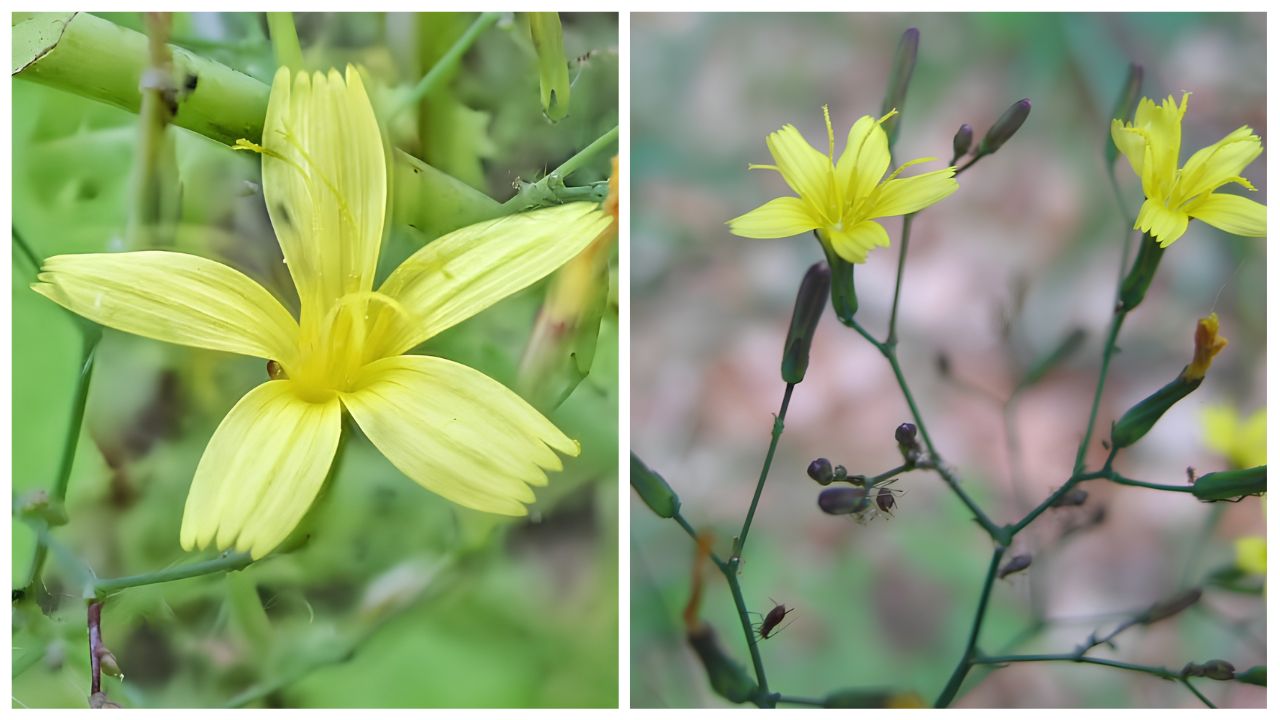
Wall lettuce is a hardy leafy green that can bring a natural woodland character to gardens, shaded corners, stone walls, and other areas where many conventional vegetables struggle. It is valued primarily for its attractive foliage and ability to establish in relatively modest growing conditions. Unlike traditional garden lettuce, wall lettuce is better suited to cooler, partially shaded environments and can be useful for gardeners who want to grow unusual greens with a less demanding care routine.
Before planting, it is important to understand that common names can refer to different plants in different regions. For that reason, gardeners should identify the exact wall lettuce species they intend to grow and confirm whether it is appropriate for culinary use. Once correctly identified, the plant can be grown as part of a woodland-style garden or managed green space.
Choosing the Right Growing Location
The best location for wall lettuce depends on the species, but a cool site with partial shade is generally a good starting point. Morning sunlight combined with afternoon shade can provide enough light for healthy leaf development without exposing the plant to excessive summer heat. Areas beside walls, beneath open trees, or along the edge of a garden can provide suitable conditions.
Good air circulation is also important. Although the plant appreciates moisture, constantly stagnant and wet conditions can encourage fungal problems. Avoid locations where water remains around the roots after rainfall or irrigation.
If you are growing wall lettuce in containers, choose a position where the pot receives gentle sunlight rather than intense afternoon heat. Containers also make it easier to move plants when seasonal conditions change.
Preparing the Soil
Wall lettuce generally performs best in soil that is fertile, loose, and well drained. The roots need access to moisture and nutrients, but they should not sit in waterlogged soil. Before planting, loosen the soil to a depth of several inches and remove large stones, roots, and weeds.
Adding mature compost can improve both fertility and soil structure. Compost is especially helpful in sandy soil because it improves moisture retention, while heavy clay soil benefits from organic matter that helps create a more open structure.
A slightly moist, organic-rich soil is usually preferable to extremely dry or compacted ground. Avoid using large quantities of fresh manure because it can be too strong for young plants and may encourage excessive soft growth.
Starting Wall Lettuce From Seed
Growing wall lettuce from seed is a practical way to establish several plants at once. Seeds can generally be started in small containers, seed trays, or directly in a prepared garden bed when weather conditions are suitable.
Prepare a fine soil surface and distribute the seeds evenly. Because small seeds can struggle to emerge through a thick layer of soil, cover them only lightly according to the requirements of the particular species. Keep the growing medium consistently moist but never saturated.
Place containers in a bright location with moderate temperatures. Once seedlings appear, provide adequate light so they develop compact, healthy growth. If seedlings become tall and weak, they may not be receiving enough light.
Transplanting Young Plants
Young wall lettuce plants can be moved into their permanent location once they have developed several healthy leaves and are strong enough to handle outdoor conditions. Harden them gradually if they were raised indoors or in a protected environment.
Plant on a cool day, preferably in the morning or late afternoon. Make a planting hole large enough to accommodate the roots without bending them severely. Set the plant at approximately the same depth at which it was previously growing and gently firm the soil around it.
Water immediately after transplanting. For the first several days, monitor moisture carefully because young roots are more vulnerable to drying than established plants.
Watering and Moisture Management
Consistent moisture is one of the most important aspects of maintaining healthy leafy growth. Water when the upper layer of soil begins to dry rather than following a rigid schedule. Weather, soil type, container size, and plant maturity all influence how frequently watering is necessary.
Deep watering is usually more useful than frequent, shallow watering. Apply water slowly around the base of the plant so it reaches the root zone. Avoid repeatedly wetting the foliage late in the day, especially in humid weather.
During periods of hot or unusually dry weather, check plants more frequently. A layer of organic mulch around the plant can reduce evaporation and help keep the root area cooler.
Sunlight and Temperature Requirements
Wall lettuce generally benefits from cool to moderate growing conditions. Partial shade can be particularly valuable in warmer climates because excessive heat may cause leafy greens to become stressed or develop poorer-quality foliage.
During cooler seasons, plants may tolerate considerably more sunlight. In warmer periods, protection from intense afternoon sun can help maintain healthier growth.
If temperatures rise sharply, increase attention to soil moisture and consider temporary shade where appropriate. Container-grown plants can be moved to a cooler position when necessary.
Feeding for Healthy Growth
Wall lettuce does not normally require an aggressive feeding program. If the soil has been enriched with compost before planting, the plants may receive sufficient nutrients for much of the growing season.
If growth appears slow or leaves become unusually pale, a mild balanced fertilizer can be applied according to its label directions. Avoid excessive nitrogen because very rapid, soft growth can make plants less resilient and may not produce the best foliage.
For long-term garden beds, adding compost between growing seasons is often a simple way to maintain soil fertility without relying heavily on synthetic fertilizers.
Controlling Weeds and Maintaining the Bed
Weeds compete with wall lettuce for water, nutrients, light, and growing space. Remove weeds while they are small, taking care not to disturb the shallow roots of young plants.
Mulching can reduce weed emergence while also conserving soil moisture. Keep mulch slightly away from the plant crown to improve airflow and reduce the risk of rot.
Regularly remove damaged or dead leaves. This keeps the planting area cleaner and allows you to notice pest or disease problems before they become widespread.
Managing Common Pests and Diseases
Leafy greens can occasionally attract aphids, slugs, snails, caterpillars, and other garden pests. Inspect the undersides of leaves regularly because some pests are easy to miss during casual observation.
Small pest populations can often be managed by hand removal and by keeping the surrounding garden clean. Good spacing and airflow can also reduce the likelihood of disease.
Overwatering is one of the most common problems to avoid. Poor drainage can weaken roots and create conditions favorable to fungal diseases. If leaves develop unusual spots, discoloration, or wilting that does not improve after watering, examine the plant carefully and remove seriously damaged foliage when appropriate.
When to Harvest Wall Lettuce
Harvest timing depends on the particular species and how the plant is being grown. For leafy use, young, tender leaves are generally more desirable than old, tough foliage. Harvesting a few outer leaves at a time can allow the plant to continue producing new growth.
Use clean scissors or a sharp knife when harvesting. Avoid tearing the leaves because rough damage can create unnecessary wounds and slow recovery.
Harvest in the cooler part of the day when possible. If the leaves are intended for consumption, make sure the exact plant has been correctly identified as an edible species and wash harvested material thoroughly before use.
How to Encourage Continued Growth
Regular harvesting can help maintain a productive plant by preventing old foliage from dominating the plant. Instead of removing the entire plant at once, selectively collect mature outer leaves while leaving the central growing point intact.
Maintain steady moisture after harvesting and continue removing damaged foliage. If the plant begins producing flowers, leaf texture and flavor may change depending on the species. Gardeners growing wall lettuce primarily for foliage may prefer to harvest before flowering becomes extensive.
Growing Wall Lettuce in Containers
Container growing is useful when garden soil is unsuitable or when you want to control the plant’s location. Choose a container with drainage holes and enough depth for healthy root development.
Use a quality, well-draining potting mix rather than ordinary compact garden soil. Containers dry out faster than garden beds, so check moisture regularly, especially during warm weather.
Do not allow the pot to remain in standing water. A saucer can be used beneath the container, but excess water should be emptied after irrigation or heavy rainfall.
Seasonal Care and Long-Term Maintenance
Wall lettuce can respond differently to changing seasons depending on the species and local climate. In cooler conditions, growth may slow naturally, while warmer weather can increase the need for shade and moisture management.
At the end of a growing period, remove unhealthy plant material and clear excessive debris from around the base. If plants have produced seed and you want to encourage natural regeneration, allow selected healthy plants to complete their reproductive cycle.
For gardeners who want predictable results, saving seed should only be done from correctly identified plants. Store mature, dry seed in a cool, dry location until the next suitable planting period.
Final Tips for Growing Wall Lettuce Successfully
The key to growing wall lettuce successfully is to provide conditions that resemble its preferred natural environment rather than treating it exactly like heat-loving vegetables. A cool location, suitable light, fertile but well-drained soil, consistent moisture, and regular observation can support strong growth.
Start with correctly identified seed or plants, prepare the soil carefully, and avoid excessive watering or fertilizer. Harvest young foliage when appropriate and maintain good garden hygiene throughout the growing season. With simple, consistent care, wall lettuce can become an attractive and useful addition to a woodland-inspired garden or shaded growing space.
