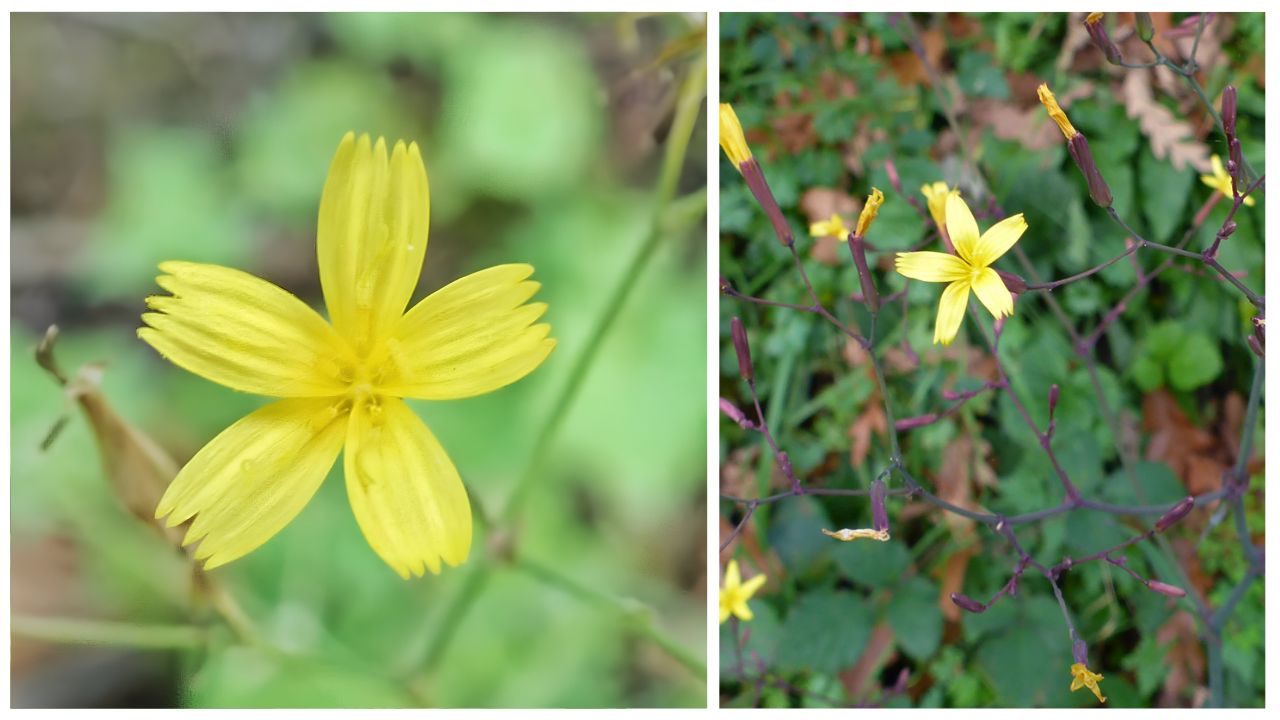
Growing Mycelis successfully starts with understanding the plant and the conditions it naturally prefers. Mycelis is best approached as a plant that needs consistent moisture, suitable soil, adequate light, and enough room to establish healthy roots. Whether you are growing it in a garden bed, raised bed, or container, providing the right environment from the beginning can make the entire growing process easier.
Before planting, choose a location where the plant can be monitored regularly. Good access to water is helpful because young plants need more consistent moisture than established ones. Preparing the growing area carefully also reduces problems later and gives the roots a loose, healthy environment in which to develop.
Choosing the Right Location for Mycelis
The planting location plays an important role in healthy growth. Select an area with good air circulation and sufficient natural light. Avoid places where water remains standing after rain or irrigation, as constantly saturated soil can interfere with healthy root development.
If you are growing Mycelis in a container, choose a pot with drainage holes at the bottom. The container should be large enough to accommodate the plant as it develops. A small pot may dry out quickly and restrict root growth, while an excessively large container can retain too much moisture if the soil is poorly drained.
Preparing the Soil for Healthy Growth
Mycelis performs best when its growing medium is fertile, loose, and well drained. Heavy soil that becomes compacted can make it difficult for roots to spread and may hold excessive water around the root zone. Improving the soil before planting is therefore one of the most useful steps you can take.
Work mature organic compost into the planting area to improve soil structure and provide a steady source of nutrients. If the native soil is dense, incorporating organic material can help improve drainage and aeration. The goal is to create soil that holds enough moisture for the plant while allowing excess water to move away.
Avoid using excessive fertilizer during soil preparation. Very rich soil can encourage soft, excessive growth instead of balanced development. A moderately fertile growing medium is generally easier to manage.
Planting Mycelis Step by Step
Once the soil and location are ready, planting can begin. If you are starting from seeds, sow them according to their size and preferred planting depth. Small seeds generally should not be buried deeply because they need suitable conditions near the surface to germinate.
Moisten the soil before or immediately after sowing, but avoid flooding the planting area. Keep the surface consistently moist while the seeds are establishing. If you are transplanting young plants, handle the roots gently and place them into a hole large enough to accommodate the root system without bending or crushing it.
After planting, lightly firm the soil around the base and water thoroughly. Leave enough space between plants to allow good air movement and room for mature growth. Crowded plants can compete for moisture and nutrients while also creating a more humid environment around the foliage.
Providing the Right Amount of Light
Light is essential for strong plant development because it supports photosynthesis and healthy foliage production. Place Mycelis where it receives suitable natural light throughout the growing period.
The exact amount of light the plant can tolerate may depend on the growing environment and local climate. In areas with intense heat, some protection from the strongest afternoon sun may help prevent moisture stress. In cooler or milder conditions, a brighter location can encourage stronger growth.
Watch the plant rather than relying only on a fixed schedule. Weak, stretched growth can indicate insufficient light, while excessive heat and wilting during the hottest part of the day may indicate that the plant needs protection from intense conditions.
Watering Mycelis Correctly
Watering is one of the most important parts of Mycelis care. Young plants should not be allowed to dry out completely while their roots are developing. At the same time, watering too frequently can keep the soil saturated and create unfavorable root conditions.
Check the top layer of soil regularly. When it begins to dry, water deeply enough to moisten the root zone. Container-grown plants may need more frequent watering because pots generally lose moisture faster than garden beds.
Morning watering is often a practical choice because it gives excess moisture on the foliage and soil surface time to evaporate during the day. Water near the base of the plant whenever possible rather than repeatedly wetting the leaves.
During hot or dry weather, check the soil more often. During rainy periods, reduce irrigation accordingly. The best watering routine is based on actual soil moisture rather than a rigid calendar.
Feeding Mycelis for Steady Growth
Mycelis can benefit from balanced nutrition during active growth, particularly when the soil is not naturally fertile. Compost is a useful foundation because it gradually improves the soil while supplying organic matter.
If additional fertilizer is needed, use it carefully and follow the product’s recommended application rate. Applying more fertilizer than necessary does not automatically produce a healthier plant. Excess nutrients can damage roots or encourage unbalanced foliage growth.
A light feeding during active growth is generally preferable to repeated heavy applications. Watch the plant’s development and adjust care according to its appearance and growing conditions.
Managing Weeds and Maintaining the Growing Area
Weeds compete directly with Mycelis for water, nutrients, light, and growing space. Removing weeds while they are small is much easier than allowing them to become established around mature plants.
A thin layer of organic mulch can help suppress weeds and slow moisture loss from the soil. Keep mulch slightly away from the plant’s main stem to maintain airflow and reduce excessive moisture directly against the base.
Regularly inspect the planting area and remove damaged or unwanted plant material. Keeping the surrounding area clean also makes it easier to notice changes in the plant before small problems become serious.
Protecting Mycelis From Common Problems
Healthy plants are generally better equipped to withstand environmental stress, but problems can still occur. Yellowing foliage, weak growth, wilting, or damaged leaves can be signs that something in the growing environment needs attention.
Begin by checking the simplest causes. Examine soil moisture, drainage, sunlight, temperature, and available nutrients before making major changes. Overwatering and poor drainage are particularly important to investigate when a plant looks consistently unhealthy.
Inspect leaves and stems regularly for visible insects or unusual damage. If pests appear, remove them manually when practical and maintain good garden hygiene. Avoid using unnecessary treatments when there is no confirmed problem.
Growing Mycelis in Containers
Container growing is a convenient option when garden space is limited. Select a container with adequate drainage and use a quality growing medium that does not become compacted easily.
Because containers dry out more quickly than garden soil, moisture should be monitored frequently during warm weather. At the same time, avoid leaving the pot sitting in a tray of standing water.
As the plant grows, make sure it continues to receive enough light and that its roots have sufficient space. If roots become severely crowded, growth may slow and the plant may require a larger container.
Recognizing When Mycelis Is Ready to Harvest
Harvest timing depends on what part of the plant you intend to use and the purpose for which Mycelis is being grown. Avoid harvesting too aggressively from young plants because they need enough foliage and energy to continue developing.
When harvesting leaves or other usable portions, use clean tools and remove only what is necessary. Select healthy plant material rather than damaged or diseased portions.
Harvesting gradually can help maintain the plant’s overall structure and allow it to continue producing new growth. If the plant is being grown specifically for mature roots, seeds, or another particular part, allow it to reach the appropriate stage before collecting it.
How to Harvest Without Damaging the Plant
A careful harvesting method helps the plant recover and continue growing. Use clean, sharp scissors or pruning tools when cutting plant material rather than tearing it by hand.
Avoid removing too much foliage at once. Leaving sufficient healthy growth allows the plant to continue photosynthesizing and producing energy. Harvest during cooler parts of the day when possible, especially in hot weather.
After harvesting, continue normal watering and care. A plant that has been harvested still needs adequate moisture, light, and nutrition to produce additional growth.
Seasonal Care for Better Results
Mycelis care should change as weather conditions change. During warm periods, soil may dry faster and plants may require closer monitoring. During cool or rainy weather, irrigation may need to be reduced.
Mulching can be especially useful during hot conditions because it helps moderate soil temperature and reduce moisture loss. Good drainage becomes even more important during prolonged wet weather.
If temperatures become unusually extreme, consider whether the plant needs temporary protection. Moving container plants to a more suitable position is often easier than protecting plants growing directly in the ground.
Common Mistakes to Avoid
One of the most common mistakes is watering according to a fixed schedule without checking the soil. Plants do not lose moisture at exactly the same rate every day, so watering should respond to weather and soil conditions.
Another mistake is planting in compacted or poorly drained soil. Even frequent watering cannot compensate for an unsuitable root environment. Overfertilizing is another problem that can cause unnecessary stress.
Crowding plants too closely can also reduce airflow and make maintenance more difficult. Give each plant enough room for healthy development and regularly remove weeds and damaged growth.
Final Tips for Growing Mycelis Successfully
Growing Mycelis becomes much easier when the basic needs of the plant are handled consistently. Start with suitable soil, choose a location with appropriate light, provide regular but controlled moisture, and monitor the plant throughout its growth.
Instead of making frequent major changes, pay attention to small signs from the plant and its growing environment. Healthy foliage, steady growth, and well-drained soil are useful indicators that the growing conditions are working.
With careful planting, sensible watering, balanced feeding, regular maintenance, and timely harvesting, Mycelis can be managed successfully in a home garden or container. The key is consistency: good preparation at the beginning followed by simple, attentive care throughout the growing season.
