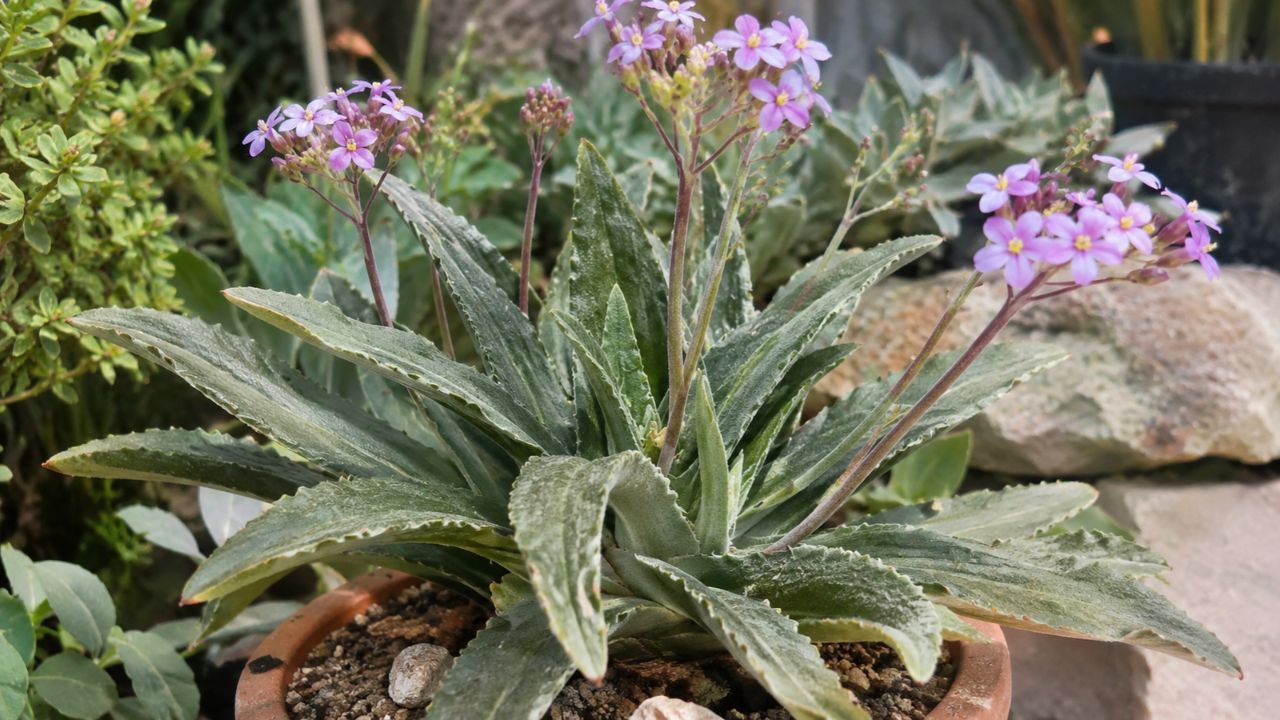
Rzedowskia Growing Guide – Rzedowskia is an uncommon flowering plant genus belonging to the Celastraceae family. Native to Mexico, this woody plant is an interesting choice for botanical collections, specialist gardens, and gardeners who enjoy cultivating unusual species. Its natural appearance and distinctive foliage make it a valuable addition to diverse planting environments.
Growing Rzedowskia successfully requires careful attention to soil conditions, moisture levels, sunlight, and seasonal changes. Unlike commonly cultivated ornamental plants, Rzedowskia has limited documented horticultural information. Therefore, its cultivation should be approached gradually, using general care principles for woody plants while observing its individual growth responses.
Providing suitable growing conditions from the beginning can encourage healthy root development, strong branches, and sustainable growth throughout the year.
Understanding the Natural Growing Conditions
Understanding the natural habitat of Rzedowskia is an important part of successful cultivation. Plants generally perform better when their growing environment resembles the conditions to which they are naturally adapted.
A sheltered outdoor location with good air circulation and suitable drainage provides a reasonable starting point. Young plants may require additional protection from intense sunlight, strong winds, and sudden temperature fluctuations.
Avoid frequently changing the growing location, particularly during the establishment period. Allow the plant sufficient time to adjust to its surroundings before making significant changes to its care routine.
Choosing the Best Soil for Rzedowskia
Soil quality plays an essential role in supporting healthy plant development. A loose, well-draining soil containing moderate amounts of organic matter is a practical starting point for cultivating Rzedowskia.
Garden soil can be improved by incorporating mature compost, coarse sand, or other suitable drainage materials. These additions help improve soil structure and allow oxygen to reach developing roots.
Heavy clay soil that remains wet for extended periods may increase the risk of root damage. Similarly, excessively sandy soil may dry too quickly for newly established plants.
Avoid compacting the soil around the root system. Maintaining a balanced soil structure encourages root expansion and helps the plant access available moisture and nutrients.
Providing Suitable Sunlight
Sunlight supports photosynthesis, foliage development, and overall plant health. However, the amount of sunlight suitable for Rzedowskia may depend on its age, growing environment, and previous exposure.
Bright, filtered sunlight is a sensible initial choice for young specimens. Gentle morning sunlight can support growth without exposing delicate foliage to excessive afternoon heat.
Established plants may tolerate greater sunlight exposure, but any transition should occur gradually. Sudden movement from a shaded location into intense direct sunlight can cause leaf scorching and unnecessary stress.
Regularly observe the foliage for signs of discoloration, wilting, or weak growth and adjust the lighting conditions accordingly.
Watering Rzedowskia Correctly
Proper watering helps maintain healthy roots and supports the movement of nutrients throughout the plant. Newly planted Rzedowskia specimens should receive sufficient moisture while their root systems become established.
Water thoroughly when the upper layer of soil begins to dry. Allow excess water to drain naturally rather than keeping the soil continuously saturated.
During warmer weather, moisture may evaporate more quickly, requiring closer monitoring. Watering requirements generally decrease during cooler conditions or periods of slower growth.
Instead of following a fixed watering schedule, check the soil regularly. This approach helps prevent both underwatering and excessive moisture accumulation.
Planting and Establishing Rzedowskia
Choose a planting location that provides adequate space for future development. Before planting, prepare the soil by removing weeds, stones, and compacted material.
Dig a hole slightly wider than the root ball and position the plant at approximately the same depth at which it was previously growing. Avoid burying the base of the stem too deeply.
Fill the surrounding space with prepared soil and gently firm it around the roots. Water thoroughly after planting to settle the soil and reduce air pockets.
A thin layer of organic mulch can help conserve moisture, moderate soil temperatures, and reduce competition from weeds. Keep mulch away from direct contact with the stem.
Temperature and Environmental Requirements
Protecting Rzedowskia from extreme environmental conditions can help maintain healthy development. Sudden temperature changes, prolonged frost, and intense heat may create difficulties, particularly for young plants.
In regions with cold winters, container cultivation may provide greater flexibility. Potted plants can be moved into sheltered locations when unfavorable weather develops.
During hot summer periods, monitor soil moisture and provide temporary shade when necessary. Good ventilation is also important because stagnant, excessively humid conditions can encourage fungal problems.
Avoid assuming that all specimens have identical temperature tolerances, especially when their original growing conditions are unknown.
Fertilizing for Strong and Healthy Growth
Rzedowskia may benefit from moderate nutrient availability during periods of active growth. Incorporating well-decomposed compost into the soil can provide a gradual supply of nutrients while improving soil structure.
If additional feeding becomes necessary, use a balanced fertilizer at a conservative application rate. Excessive fertilizer may damage sensitive roots or encourage weak, excessive foliage development.
Apply fertilizer only when the plant is healthy and actively growing. Avoid feeding recently transplanted, severely stressed, or dormant specimens until their condition improves.
Observing natural growth patterns is more useful than applying fertilizer frequently without identifying a specific nutritional requirement.
Pruning and Regular Plant Maintenance
Regular maintenance helps preserve the appearance and health of Rzedowskia. Remove damaged, dried, or diseased branches using clean, sharp pruning tools.
Light pruning may improve air circulation and maintain a balanced structure. However, heavy pruning should be avoided until the plant’s natural growth habit and recovery ability are understood.
Remove fallen leaves and plant debris from the surrounding soil when necessary. Keeping the growing area clean can reduce potential pest and disease problems.
Inspect the plant regularly for unusual changes in foliage, stems, and overall growth. Early identification of problems makes corrective care easier and more effective.
Propagating Rzedowskia Plants
Propagation information specifically concerning Rzedowskia is limited. Seed propagation and stem cuttings are potential methods worth investigating, although their success cannot be guaranteed.
When mature seeds are available from a reliable source, sow them in a clean, well-draining growing medium. Maintain moderate moisture and protect developing seedlings from harsh environmental conditions.
Stem cuttings may also be attempted using healthy plant material and a suitable propagation medium. Provide filtered sunlight and avoid excessive moisture around the developing roots.
Patience is essential when propagating uncommon plants, as germination and root formation may be unpredictable.
Managing Common Pests and Diseases
Although specific pest problems affecting cultivated Rzedowskia are not widely documented, gardeners should monitor their plants for common issues such as aphids, scale insects, and fungal leaf damage.
Inspect the undersides of leaves and young stems regularly. Small pest infestations may be managed through gentle cleaning or appropriate horticultural treatments.
Prevent unnecessary fungal problems by maintaining good drainage, adequate spacing, and proper air circulation. Avoid leaving the foliage wet for prolonged periods.
Healthy growing conditions remain one of the most effective ways to reduce general plant stress and improve natural resilience.
Conclusion
Growing Rzedowskia can be a rewarding experience for gardeners interested in uncommon botanical species. Suitable soil, balanced watering, appropriate sunlight, and careful maintenance provide a practical foundation for successful cultivation.
Since detailed species-specific cultivation requirements remain limited, gardeners should adapt their care practices according to the plant’s individual responses. With patience, consistent observation, and gradual adjustments, Rzedowskia can become an interesting addition to a specialist plant collection or carefully maintained garden.
