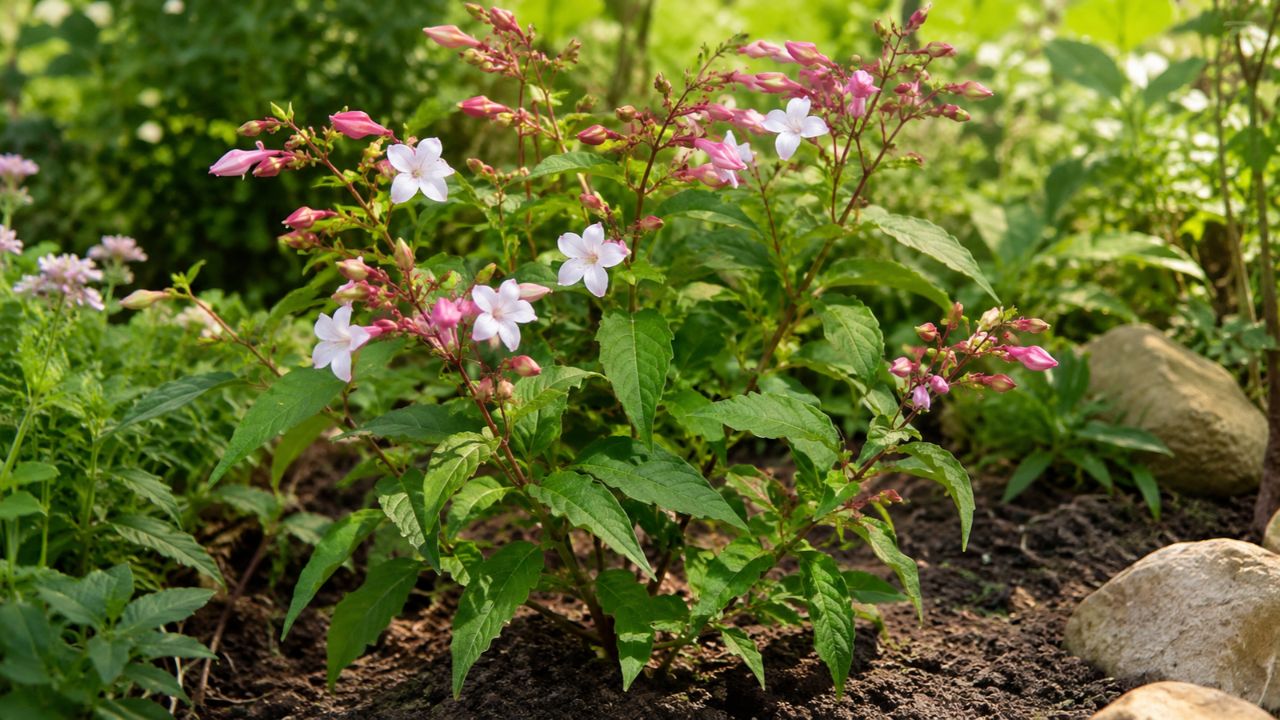
Bequaertia Growing Guide : Bequaertia is an uncommon botanical genus that can be an interesting addition to a carefully maintained plant collection. Growing lesser-known plants requires patience, consistent care, and a good understanding of their natural growing conditions. From preparing suitable soil to maintaining appropriate moisture levels, every aspect of plant care contributes to healthy development.
Although detailed cultivation information about Bequaertia is limited, gardeners can follow general growing practices while observing how their particular species responds to environmental conditions. Providing suitable drainage, balanced watering, appropriate sunlight, and protection from environmental stress can help establish a favourable growing environment.
Understanding the Growing Requirements of Bequaertia
Before planting Bequaertia, it is important to identify the species and understand its natural habitat. Plants adapted to forest environments may require different conditions from those naturally growing in exposed locations.
Observe the plant regularly during its initial growing period. Changes in leaf colour, stem strength, and new growth can provide useful information about its growing requirements.
Avoid making several environmental changes at once. Gradual adjustments allow the plant to adapt naturally and make it easier to identify which conditions support healthy development.
Choosing the Best Location for Planting
Selecting a suitable planting location is an important part of establishing a healthy plant. Choose an area with adequate air circulation, protection from strong winds, and sufficient space for future development.
A sheltered location with filtered sunlight can be a sensible starting point until the specific light requirements of your Bequaertia plant are confirmed. Avoid exposing newly established plants to intense afternoon sunlight without gradual acclimatisation.
Container growing may be useful during the early stages because it allows gardeners to adjust the plant’s position according to seasonal changes and its individual needs.
Preparing Suitable Soil for Healthy Root Development
Soil quality plays an essential role in maintaining healthy roots. A well-draining growing medium containing suitable organic matter can help balance moisture retention and aeration.
Prepare the planting area by removing weeds, stones, and compacted soil. Where appropriate, incorporate mature compost to improve soil structure without making the growing medium excessively rich.
For container planting, select a pot with adequate drainage holes. Avoid heavy soil that remains saturated for extended periods, as excessive moisture can reduce oxygen availability around the roots.
The ideal soil composition and pH should ultimately be determined according to the requirements of the particular species.
Best Planting Techniques for Bequaertia
Prepare the growing medium before removing the plant from its original container. Handle the root system carefully to prevent unnecessary damage during transplantation.
Dig a planting hole slightly wider than the root ball. Position the plant at approximately the same depth at which it was previously growing. Fill the surrounding space with prepared soil and gently firm it without excessive compression.
Water the plant after planting to help settle the soil around the roots. During the establishment period, monitor moisture levels regularly and protect the plant from sudden environmental changes.
Maintaining a Balanced Watering Schedule
Proper watering supports root development and helps plants maintain healthy foliage. However, watering frequency should depend on temperature, soil composition, container size, and the plant’s natural moisture requirements.
Check the growing medium before watering rather than following a rigid daily schedule. If the soil remains sufficiently moist, additional watering may be unnecessary.
Apply water slowly around the root zone and allow excess moisture to drain freely. During cooler weather or periods of reduced growth, the plant may require less frequent watering.
Persistent wilting, yellowing leaves, or unusually dry soil should encourage a closer examination of the watering routine.
Providing Appropriate Sunlight and Temperature
Light availability influences photosynthesis, foliage development, and overall plant health. The correct amount of sunlight depends on the natural adaptations of the species being grown.
Introduce changes in light exposure gradually, especially when moving a plant from a protected nursery environment into an outdoor garden.
Protect young plants from sudden temperature fluctuations, extreme heat, and cold conditions until their environmental tolerance is established. Container-grown specimens can be moved to sheltered locations during unfavourable weather.
Fertilising Bequaertia for Balanced Growth
Healthy soil may provide many of the nutrients required during the early stages of plant development. Additional fertilisation should be considered only when necessary.
A diluted, balanced fertiliser may be suitable during active growth, provided it meets the species’ nutritional requirements. Excessive fertilisation can damage sensitive roots and cause nutrient imbalances.
Avoid applying fertiliser to severely stressed plants or completely dry soil. Observing growth patterns and foliage condition can help determine whether nutritional adjustments are needed.
Pruning and Maintaining Plant Structure
Regular inspection helps gardeners identify damaged, diseased, or unhealthy plant material before problems become more serious.
Use clean, sharp gardening tools when removing dead or damaged growth. Avoid heavy pruning until the plant’s natural growth habit and response to pruning are understood.
Removing fallen leaves and decaying material from the surrounding area can improve cleanliness and reduce potential pest problems. Gentle maintenance is generally preferable to frequent, unnecessary disturbance.
Protecting Bequaertia from Pests and Diseases
Like other cultivated plants, Bequaertia may experience problems when growing conditions become unsuitable. Regularly inspect leaves, stems, and the surrounding soil for unusual discolouration, insect activity, or signs of decay.
Good drainage, appropriate watering, and adequate air circulation can reduce the risk of several common plant health problems.
If pests appear, identify them before selecting a treatment. Avoid unnecessary pesticide applications, particularly when growing rare or unfamiliar plant species that may respond unpredictably to certain products.
Seasonal Care for Long-Lasting Growth
Plant care should change according to seasonal conditions rather than remain identical throughout the year. During warmer periods, monitor soil moisture more frequently and provide protection from excessive heat when necessary.
During cooler months, reduced growth may result in lower water and nutrient requirements. Avoid unnecessary transplantation or fertilisation when the plant is under environmental stress.
Maintaining a simple record of watering, new growth, and seasonal changes can help gardeners develop a more effective long-term care routine.
Common Growing Mistakes to Avoid
Overwatering, poor drainage, excessive fertilisation, and sudden changes in sunlight are common mistakes when cultivating unfamiliar plants.
Another important mistake is assuming that all species within a botanical genus require identical growing conditions. Reliable species identification should guide important cultivation decisions.
Avoid disturbing the roots unnecessarily or changing the growing medium too frequently. Consistent observation and gradual adjustments are more useful than repeatedly introducing new treatments.
Final Thoughts on Growing Bequaertia
Growing Bequaertia successfully requires patience, careful observation, and an adaptable approach to plant care. Preparing suitable soil, maintaining balanced moisture, providing appropriate light, and protecting the plant from environmental stress can contribute to healthy, long-lasting development.
Since species-specific cultivation information is limited, these recommendations should be treated as general horticultural guidance rather than confirmed Bequaertia-specific requirements. Understanding the individual plant and responding to its natural growth patterns remains the most reliable approach to developing a healthy specimen.
