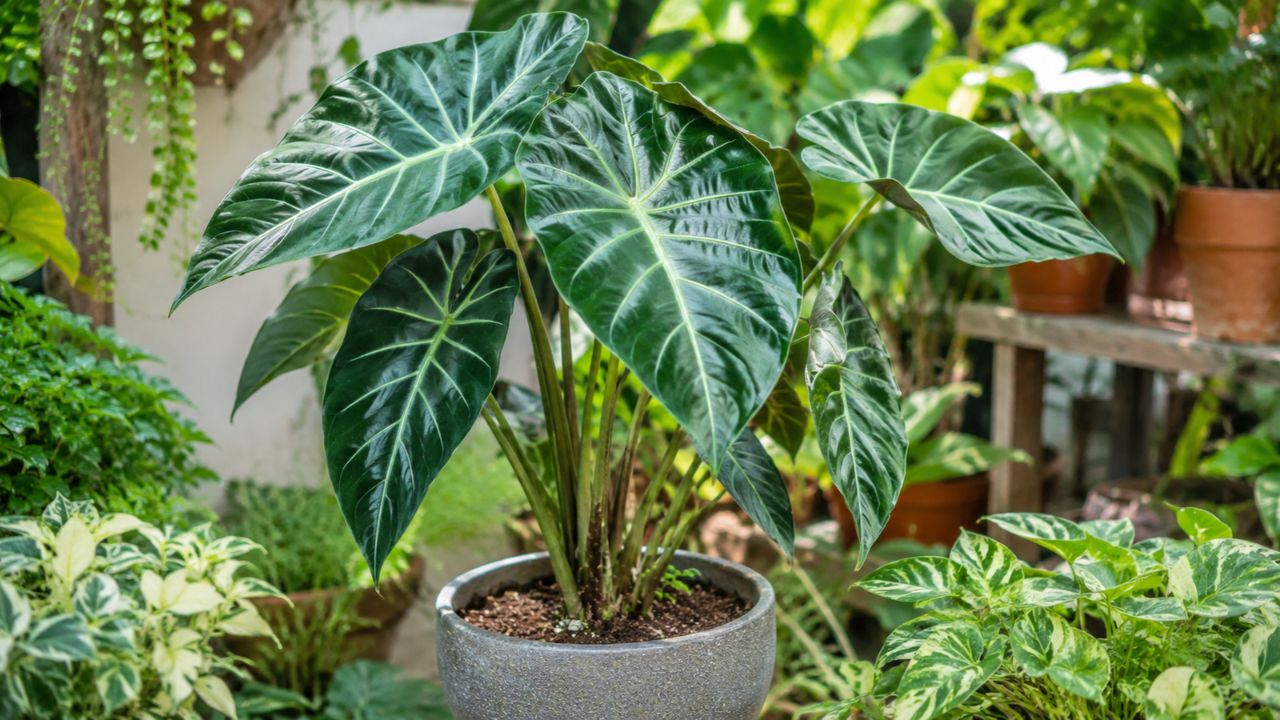
Allocassine Growing Guide : Allocassine is a genus of woody plants belonging to the Celastraceae family. Its attractive green foliage and natural growth habit make it an interesting choice for botanical collections, woodland gardens and landscapes with suitable growing conditions. Although Allocassine is less commonly cultivated than many ornamental plants, it can benefit from careful soil preparation, balanced watering and appropriate environmental conditions.
Growing Allocassine successfully requires patience and regular attention. Understanding its natural growing environment can help gardeners establish a suitable location and encourage healthy root development. Since detailed cultivation information for this genus is limited, the following recommendations are based on general care practices for similar woody plants and should be adjusted according to the species and local climate.
Understanding Allocassine Growing Requirements
Allocassine plants generally benefit from growing conditions that support steady root development and healthy foliage. A sheltered location with adequate moisture, good drainage and sufficient air circulation provides a sensible starting point for cultivation.
Young plants require particular attention because their developing root systems may be sensitive to environmental changes. Sudden temperature fluctuations, excessive watering and prolonged exposure to harsh sunlight can create unnecessary stress.
Before planting, consider the available garden space, seasonal temperatures and soil quality. Creating a stable growing environment can help the plant establish itself gradually.
Choosing the Best Location for Allocassine
Selecting an appropriate planting location is an important part of maintaining healthy Allocassine plants. A sheltered garden area receiving filtered sunlight or partial shade may provide suitable conditions, particularly during the early stages of growth.
Avoid locations exposed to strong winds or intense afternoon sunlight in extremely hot climates. Planting near taller vegetation can offer natural protection while allowing sufficient light to reach the foliage.
The selected area should also provide enough room for future development. Avoid planting too close to walls, buildings or competing plants that could restrict root expansion.
Preparing the Ideal Soil for Allocassine
Well-draining soil containing organic matter is a practical choice for growing Allocassine. Soil should retain enough moisture to support the roots without remaining excessively wet for extended periods.
Gardeners can improve heavy or compacted soil by incorporating mature compost and leaf mould. These materials help improve soil structure, moisture retention and biological activity.
Avoid planting directly in poorly drained areas where rainwater frequently accumulates. Excessive moisture around the roots may increase the risk of decay and other problems.
A balanced soil environment also supports nutrient availability and encourages gradual plant establishment.
How to Plant Allocassine Successfully
Planting during a period of mild weather can reduce environmental stress and allow the roots to become established before challenging seasonal conditions arrive.
Prepare a planting hole approximately twice as wide as the root ball but no deeper than its original growing depth. Carefully remove the plant from its container without damaging the roots.
Position the plant so that the top of the root ball remains level with the surrounding soil. Fill the hole with suitable soil, gently firm the surface and water thoroughly.
Apply a light layer of organic mulch around the planting area while keeping it away from the main stem.
Sunlight Requirements for Healthy Allocassine Growth
Light plays an essential role in photosynthesis and foliage development. For newly planted Allocassine, filtered sunlight or gentle morning sunshine may be preferable to prolonged exposure to intense afternoon heat.
Observe the plant regularly to determine whether its location provides suitable light levels. Pale foliage, weak growth or scorched leaf margins may indicate unsuitable environmental conditions, although other factors can produce similar symptoms.
Container-grown plants can be moved gradually to more suitable locations when necessary. Avoid sudden changes in sunlight exposure, especially when moving plants from sheltered environments into brighter areas.
Watering Allocassine Plants Properly
Consistent watering is particularly important during the establishment period. Young plants generally require more frequent attention than established specimens because their roots have not yet spread into the surrounding soil.
Check soil moisture before watering rather than following a fixed daily schedule. Water deeply when the upper soil begins to dry, allowing moisture to reach the root zone.
During hot or dry weather, additional watering may be necessary. Reduce watering during cooler periods or extended rainfall.
Container-grown plants should have adequate drainage holes to prevent water from collecting around the roots.
Providing Essential Nutrients and Fertilizer
Allocassine plants may benefit from moderate nutrient supplementation when grown in nutrient-poor soil. Adding mature compost around the root zone can provide organic matter and gradually improve growing conditions.
A balanced, slow-release fertilizer formulated for woody ornamental plants may be used when necessary during active growth. Always follow the manufacturer’s recommended application rates.
Excessive fertilization can damage developing roots and encourage weak growth. Avoid applying fertilizer to severely stressed plants until the underlying problem has been identified.
Regular observation is often more useful than frequent feeding.
Maintaining Suitable Temperature and Humidity
Temperature requirements can vary according to the Allocassine species being cultivated. Gardeners should consider the plant’s native environment before exposing it to extreme temperatures.
Protect young plants from severe frost, prolonged heat and sudden environmental changes. Container-grown specimens can be moved into sheltered locations during unfavourable weather.
Organic mulch helps moderate soil temperature while reducing moisture loss. Adequate spacing between plants also improves air circulation and helps prevent excessively damp conditions around the foliage.
Pruning and Maintaining Allocassine Plants
Regular maintenance helps preserve the natural appearance of Allocassine plants. Remove dead, damaged or diseased branches using clean and sharp pruning tools.
Avoid unnecessary heavy pruning, particularly while the plant is becoming established. Allowing healthy branches to develop naturally supports foliage production and root establishment.
Light corrective pruning may be appropriate when branches become crowded or damaged. Clean gardening tools before and after use to reduce the possibility of spreading plant diseases.
Propagating Allocassine Plants
Propagation methods for Allocassine are not extensively documented in general horticultural literature. Seed propagation may be worth exploring when mature, viable seeds are available.
Use a clean, well-draining growing medium and maintain consistent moisture without creating waterlogged conditions. Keep developing seedlings in a sheltered environment and protect them from harsh sunlight.
Stem cuttings may also be explored experimentally, although successful rooting cannot be guaranteed. Gardeners should allow sufficient time for germination and root development before transplanting young plants.
Managing Common Pests and Plant Diseases
Like other woody garden plants, Allocassine may occasionally experience problems associated with sap-feeding insects, fungal infections or unsuitable growing conditions.
Inspect the leaves, stems and surrounding soil regularly. Discoloured foliage, unusual spots, sticky deposits and declining growth may indicate a problem requiring further investigation.
Maintaining appropriate watering practices, good drainage and adequate air circulation can reduce several common gardening problems.
Identify the cause of any symptoms before applying pesticides or other treatments. Early intervention and proper maintenance often prevent minor problems from becoming more serious.
Growing Allocassine in Containers
Container cultivation may be suitable for young Allocassine specimens, depending on their eventual size and growth habit. Choose a sturdy container with sufficient drainage holes and a suitable growing medium.
Monitor soil moisture regularly because containers can dry more quickly than garden soil. Repot the plant when its roots become overcrowded, selecting a slightly larger container to accommodate further development.
Larger specimens may eventually require outdoor planting where sufficient space is available.
Seasonal Care for Long-Term Plant Health
Allocassine care should be adjusted according to seasonal weather conditions. During warmer months, monitor moisture levels and protect young plants from excessive heat. During cooler periods, reduce watering when growth slows and protect sensitive specimens from damaging temperatures.
Refresh organic mulch when necessary and remove accumulated dead plant material. Regular observation throughout the year helps gardeners identify environmental stress before it affects overall plant health.
With suitable soil, balanced watering, appropriate sunlight and consistent maintenance, Allocassine can become an interesting addition to a carefully managed botanical garden. Patience and species-specific adjustments remain important for supporting healthy, sustainable growth.
Publishing note: The generated thumbnail depicts Alocasia rather than Allocassine, so it should not be published as an accurate botanical photograph of Allocassine.
