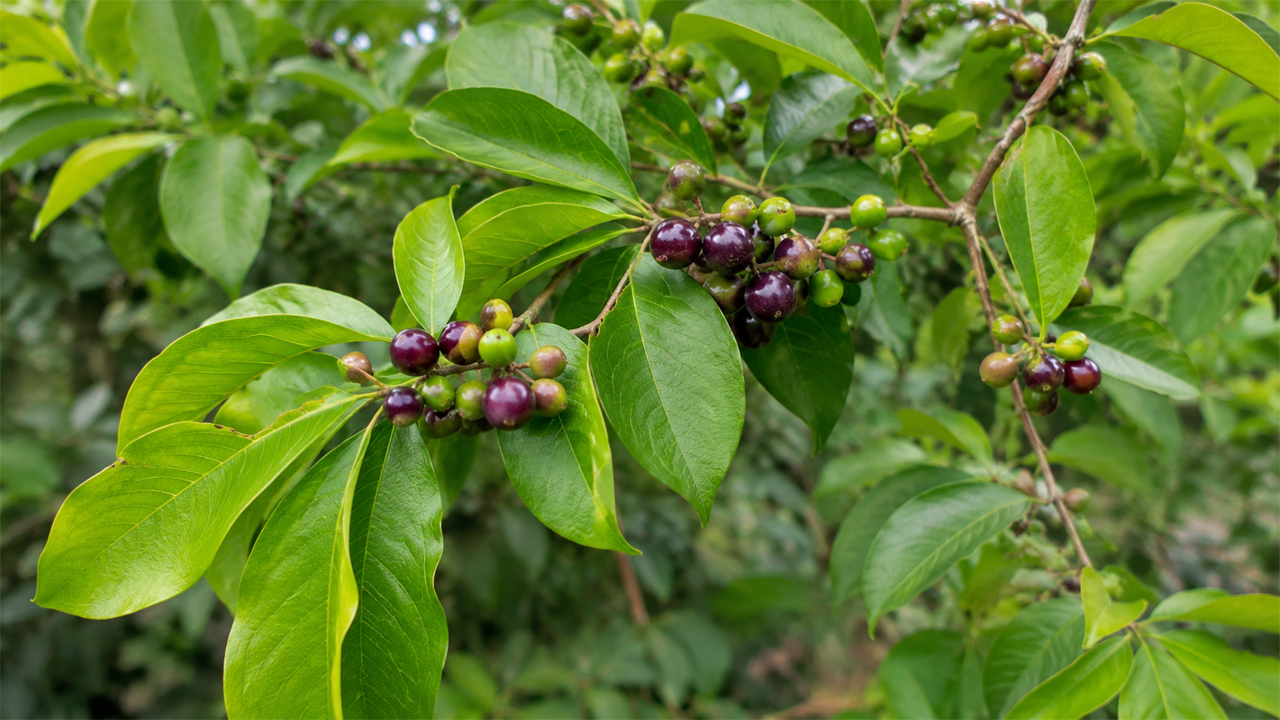
Mystroxylon is an attractive evergreen plant genus belonging to the Celastraceae family. Its natural appearance, attractive green foliage and woody growth make it an interesting choice for gardeners who appreciate unusual trees and shrubs. One of its best-known species, Mystroxylon aethiopicum, occurs naturally in parts of Africa and Madagascar.
Growing Mystroxylon successfully requires suitable soil, adequate moisture, appropriate sunlight and favourable environmental conditions. Although it is not as commonly cultivated as many ornamental garden plants, it can become an attractive addition to a suitable landscape. Understanding its natural growing environment is particularly important when establishing a young plant and encouraging healthy long-term development.
Understanding the Natural Growth of Mystroxylon
Mystroxylon plants generally develop as evergreen shrubs or trees, depending on the species and surrounding environmental conditions. Their leathery green leaves and naturally branching structure contribute to their ornamental appeal.
In its natural habitat, Mystroxylon aethiopicum can occur in woodland, forest margins and other environments with varying levels of sunlight and moisture. Established plants may tolerate some environmental variation, although young specimens benefit from consistent growing conditions.
Since detailed cultivation information is limited, gardeners should adjust their care practices according to the species, local climate and individual plant response rather than following a rigid maintenance schedule.
Choosing the Best Location for Planting Mystroxylon
Selecting an appropriate planting location is essential for successful establishment. Choose an area where the plant receives sufficient natural light while remaining protected from extreme weather and strong, drying winds.
A location with morning sunlight and partial afternoon shade can provide favourable conditions for young plants, particularly in regions with intense summer heat. Established specimens may tolerate greater sunlight exposure when adequate soil moisture is available.
Allow sufficient space around the planting area for branches and roots to develop naturally. Avoid locations immediately beside buildings, underground pipes or other structures that could restrict future growth.
Good air circulation around the foliage can also help prevent excessive moisture accumulation.
Preparing the Ideal Soil for Healthy Root Development
Mystroxylon generally benefits from well-drained soil that contains sufficient organic matter. A loose, fertile soil structure allows oxygen and moisture to reach the developing roots without creating waterlogged conditions.
Before planting, loosen the surrounding soil and incorporate a moderate amount of well-decomposed compost if the existing soil lacks organic material. Heavy clay soils may require improved drainage or a raised planting position.
Avoid placing excessive fertiliser or fresh manure directly around the roots. These materials can damage young root systems and interfere with establishment.
A balanced soil environment that retains moderate moisture while allowing excess water to drain provides a practical starting point for growing Mystroxylon.
How to Plant Mystroxylon Successfully
The best planting period is generally during mild weather when extreme heat and cold are less likely to affect newly established plants. In warmer regions, the beginning of the rainy season may provide favourable conditions.
Dig a planting hole approximately twice the width of the root ball but no deeper than its original height. Carefully remove the plant from its nursery container without unnecessarily disturbing the roots.
Position the plant so that the root collar remains at ground level. Fill the surrounding space with soil and gently firm it to remove large air pockets.
Water thoroughly after planting to settle the soil around the roots. Applying organic mulch around the planting area can help conserve moisture and reduce competition from weeds.
Providing the Right Amount of Sunlight
Sunlight plays an important role in foliage development and overall plant health. Mystroxylon may grow under partial shade or brighter conditions, depending on the species and its previous growing environment.
Young plants should be gradually introduced to stronger sunlight rather than immediately exposed to intense afternoon heat. Sudden changes in light intensity can cause leaf scorching and unnecessary stress.
Plants receiving insufficient light may develop weak or elongated growth. Observe the foliage regularly and adjust the growing location when necessary.
For container-grown specimens, a bright outdoor position with filtered sunlight can be a useful starting point.
Watering Mystroxylon for Consistent Growth
Regular watering is particularly important during the early stages of establishment. Young plants need sufficient moisture to support root development and maintain healthy foliage.
Water deeply when the upper layer of soil begins to dry. The frequency of watering should depend on rainfall, temperature, soil drainage and the size of the plant.
Avoid keeping the soil continuously saturated, as excessive moisture can reduce oxygen availability around the roots and increase the risk of root problems.
Established plants may require less frequent watering, although prolonged dry periods can still cause stress. Maintaining moderate soil moisture without overwatering is generally the most practical approach.
Fertilising Mystroxylon for Strong Development
Mystroxylon does not necessarily require frequent fertiliser applications when growing in fertile garden soil. Organic compost applied around the root zone can gradually improve soil structure and nutrient availability.
If the plant shows signs of nutrient deficiency, a balanced, slow-release fertiliser suitable for woody ornamental plants may be considered during active growth.
Always follow the recommended application rate and avoid excessive nitrogen, which may encourage weak, overly soft growth.
Healthy foliage, steady branch development and normal seasonal growth are useful indicators of adequate nutrition. Fertiliser should support natural development rather than force rapid growth.
Pruning and Maintaining an Attractive Shape
Regular inspection and occasional pruning can help maintain the natural appearance of Mystroxylon. Remove dead, damaged or diseased branches using clean, sharp pruning tools.
Light pruning may also help improve air circulation and manage branches that cross or rub against one another. However, excessive cutting should be avoided, particularly while the plant is young or experiencing environmental stress.
Allow the plant to develop its natural branching structure wherever possible. Mature specimens may require professional pruning if large branches become difficult to manage safely.
Growing Mystroxylon in Containers
Young Mystroxylon plants may be maintained in containers when suitable garden space is unavailable. Select a sturdy pot with adequate drainage holes and fill it with a well-draining growing medium suitable for woody plants.
Container-grown specimens generally require closer attention to watering because their soil can dry more quickly than garden soil.
Repot the plant when its roots become overcrowded or drainage begins to decline. Larger-growing specimens may eventually require permanent outdoor planting to support unrestricted root development.
Protecting Mystroxylon from Pests and Diseases
Inspect the leaves, stems and branches regularly for unusual discolouration, damaged foliage or signs of insect activity. Common garden pests such as scale insects and mealybugs may affect woody ornamental plants.
Maintaining suitable watering practices, good drainage and adequate air circulation can reduce environmental stress and help support plant health.
Remove affected plant material when appropriate and identify the underlying problem before applying any treatment. Avoid unnecessary chemical applications, especially when symptoms may result from unsuitable growing conditions rather than pests.
Seasonal Care and Long-Term Maintenance
Mystroxylon care should change according to seasonal conditions. During warmer months, monitor soil moisture and protect young plants from excessive heat. During cooler periods, reduce watering when growth slows and protect sensitive specimens from severe frost.
Refresh organic mulch when necessary, keeping it away from direct contact with the trunk. Regularly remove competing weeds and observe the plant for changes in foliage or branch development.
With appropriate planting conditions, balanced watering and thoughtful maintenance, Mystroxylon can develop into an attractive evergreen landscape specimen. Providing care that reflects its natural growing requirements is the most effective way to encourage strong roots, healthy foliage and sustainable long-term growth.
