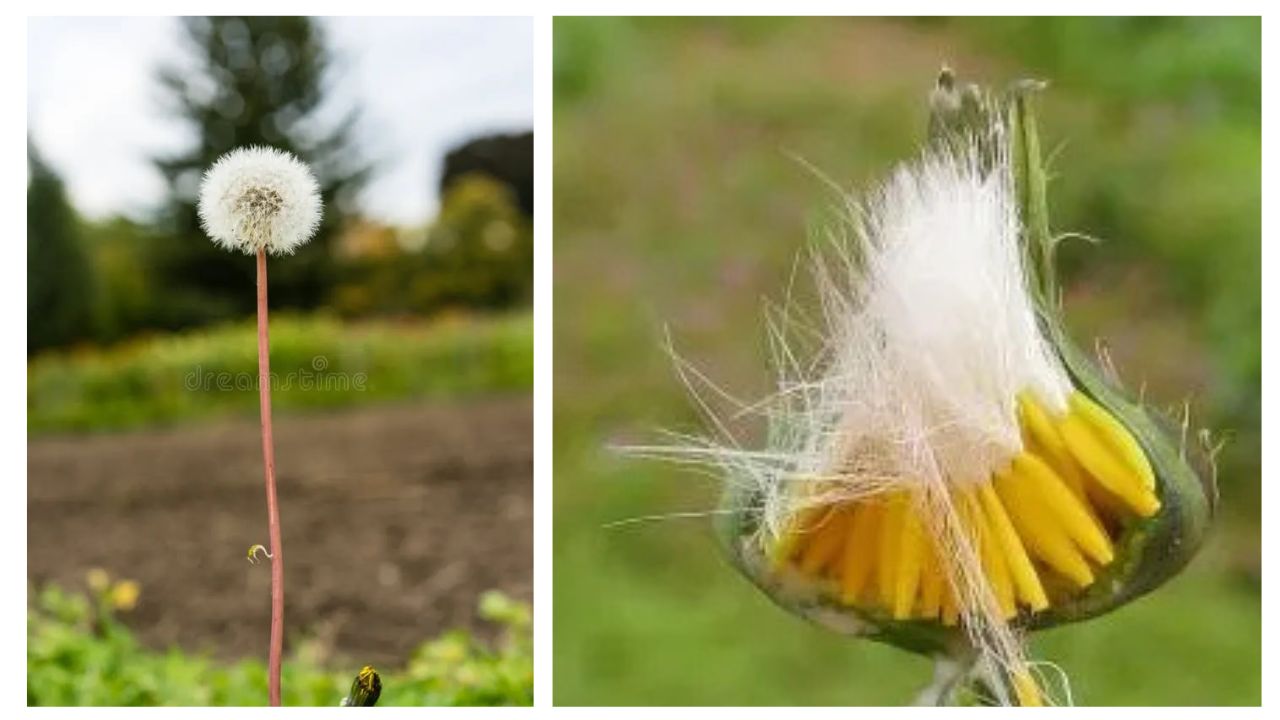
Cichorieae is a diverse group within the daisy family, Asteraceae, containing many familiar leafy plants, herbs, and wild edible species. Members of this group can differ considerably in appearance and growth habits, but many share similar preferences for sunlight, moderately fertile soil, good drainage, and regular moisture. Depending on the species, plants may be grown for tender leaves, roots, flowers, or seeds.
Before planting, it is important to identify the exact Cichorieae species you want to cultivate because mature size, hardiness, harvest timing, and preferred growing conditions can vary. Some species behave as annuals while others are biennial or perennial. Understanding the plant’s natural life cycle makes it much easier to provide suitable care and harvest at the right stage.
Choosing the Right Growing Location
Most Cichorieae plants grow well in an open location where they receive plenty of sunlight. A position offering around six hours or more of direct sunlight each day generally supports strong leaf development and healthy growth. In warmer climates, some plants can benefit from light afternoon shade, particularly when temperatures become very high.
Good air circulation is also useful because crowded, constantly damp foliage can encourage fungal problems. Avoid locations where water remains around the roots after rainfall or irrigation. A slightly raised bed or well-drained garden area can be particularly helpful if your soil tends to become waterlogged.
Preparing Soil for Healthy Growth
Cichorieae generally performs best in loose, fertile soil that drains efficiently while retaining enough moisture for steady growth. Before planting, loosen the soil to a depth of approximately 20 to 30 centimeters and remove stones, weeds, and compacted material.
Adding mature compost can improve soil structure and provide a gradual supply of nutrients. Extremely heavy clay soil may need organic matter and improved drainage, while very sandy soil can benefit from compost that helps it retain moisture. Avoid excessive nitrogen fertilization because it can encourage soft, overly leafy growth rather than balanced development.
A soil pH that is close to neutral is suitable for many members of this group, although individual species can tolerate somewhat different conditions. If your plant has specific soil requirements, adjust the growing medium accordingly.
Starting Cichorieae from Seeds
Seed propagation is one of the simplest ways to establish many Cichorieae plants. Use fresh, healthy seeds and sow them in prepared garden soil or containers filled with a quality growing medium. Small seeds should generally be covered only lightly because deep planting can make emergence difficult.
Keep the soil consistently moist but never saturated during germination. A gentle watering method helps prevent seeds from being displaced. Depending on the species and environmental conditions, seedlings may appear within several days to a few weeks.
When seedlings develop several true leaves, thin them so that the strongest plants have sufficient room to develop. If seeds are started indoors, gradually acclimate young plants to outdoor conditions before transplanting them permanently.
Propagation Through Division
Some perennial Cichorieae species can also be propagated by dividing established plants. Division is best performed when the plant is not experiencing severe heat or drought stress. Carefully lift the mature plant and separate the root or crown into healthy sections, ensuring each division has viable roots and growing points.
Replant the divisions immediately at an appropriate depth and water them thoroughly. Keep the soil moderately moist while the new divisions establish. Division can be particularly useful when you want to reproduce a mature plant while maintaining its established characteristics.
Watering Cichorieae Plants Properly
Consistent watering is important during germination, transplanting, and periods of active growth. Young plants should not be allowed to dry out completely because their developing roots are still shallow. Once plants become established, many species can tolerate short periods of reduced moisture, depending on their natural habitat.
Rather than watering lightly every day, provide enough water to moisten the root zone thoroughly and then allow the upper layer of soil to dry slightly before watering again. The exact schedule depends on temperature, rainfall, soil type, and container size.
Morning watering is generally useful because foliage has time to dry during the day. Directing water toward the soil rather than repeatedly wetting the leaves can also help maintain healthier plants.
Providing Suitable Temperature and Sunlight
Temperature requirements vary throughout the Cichorieae group. Many cool-season types produce their best leafy growth when temperatures are mild. Excessive heat can cause some plants to become stressed or bolt, particularly when they are grown primarily for tender leaves.
If growing during hot weather, provide adequate soil moisture and consider afternoon shade when necessary. In cooler seasons, full sun can help maintain vigorous growth. Container-grown plants can be moved to locations that provide more suitable conditions as the weather changes.
Feeding and General Plant Care
Cichorieae usually does not require complicated feeding programs when planted in fertile soil. A moderate application of compost before planting can provide much of the nutrition needed during the growing season. If plants show signs of poor growth, a balanced fertilizer can be applied according to the needs of the specific species.
Regular weeding is especially important while plants are young. Weeds compete for water, nutrients, sunlight, and root space. A thin layer of organic mulch around established plants can suppress weeds while helping the soil retain moisture.
Avoid placing mulch directly against the crown or stem because persistent moisture in that area can contribute to rot.
Managing Weeds, Pests, and Diseases
Healthy Cichorieae plants are generally easier to maintain when grown with adequate spacing and good air circulation. Inspect plants regularly for aphids, caterpillars, slugs, snails, and other common garden pests. Removing pests by hand or using appropriate garden-control methods can prevent small problems from becoming widespread.
Yellowing leaves, weak growth, or damaged roots can sometimes indicate excessive moisture or poor drainage rather than a nutrient deficiency. Fungal diseases are also more likely when foliage stays wet for long periods or plants are overcrowded.
Remove badly damaged or diseased plant material and avoid placing infected debris into compost unless your composting system reaches temperatures sufficient to destroy pathogens.
Encouraging Strong and Productive Growth
Regular observation is one of the best ways to maintain healthy plants. Remove damaged leaves as needed and keep competing weeds under control. If the particular species is grown for edible greens, harvesting young leaves regularly can encourage continued production.
Some Cichorieae plants naturally produce flower stalks as they mature. If your goal is leafy growth, harvesting before extensive bolting may provide more tender foliage. If your goal is flowers or seeds, allow the plant to complete its flowering cycle.
Container cultivation is also possible for many smaller species. Choose a container with adequate drainage holes and enough depth for the plant’s root system. Larger perennial types may eventually need to be moved into the garden or a larger container.
Harvesting Cichorieae at the Right Time
Harvesting depends largely on which part of the plant you intend to use. Leafy species are often harvested when leaves are young and tender. Individual outer leaves can be picked while allowing the central growing point to remain intact, which can extend the productive period.
For plants harvested as whole greens, cut them above the crown rather than damaging the roots unnecessarily. Harvesting in the cooler part of the day can help leaves remain crisp and reduce moisture loss.
If roots are the desired harvest, allow the plant to reach the appropriate maturity for its species before carefully loosening the surrounding soil and lifting the root. Root crops should be handled gently to avoid unnecessary bruising or breakage.
Collecting Flowers and Seeds
Plants grown for flowers should generally be allowed to mature naturally. Pick flowers according to their intended use and the characteristics of the particular species. If collecting seed, allow flower heads to mature fully before harvesting.
Mature seed heads may become dry and release seeds naturally, so monitor them closely. Collect them on a dry day and allow harvested material to finish drying in a well-ventilated location. Store completely dry seeds in a cool, dark, dry place in a suitable airtight container.
Labeling stored seeds with the species name and collection date can make future planting much easier.
Seasonal Care and Long-Term Maintenance
Seasonal management depends on whether your Cichorieae species is annual, biennial, or perennial. Annual plants generally complete their life cycle within one growing season, while biennials may produce leaves during the first year and flower or seed during the second. Perennial species can return for several seasons when their roots and crowns remain healthy.
At the end of the growing season, remove dead material and clear away weeds. In colder regions, a suitable organic mulch can help protect perennial roots from extreme temperature changes. In warmer regions, maintaining adequate moisture during periods of intense heat may be more important.
Growing Cichorieae Successfully
Growing Cichorieae does not require complicated equipment or constant attention. The most important factors are choosing the correct species, providing suitable sunlight, preparing well-drained soil, maintaining consistent moisture, and giving plants enough space to develop.
Starting from fresh seed is an accessible propagation method, while division can provide an additional option for suitable perennial species. Regular inspection, timely weed control, and careful harvesting will help plants remain productive throughout their growing period.
With the right conditions and a little patience, Cichorieae can become a useful and attractive addition to a home garden. Paying attention to the specific characteristics of the species you choose will ultimately produce the best results and help you enjoy healthier plants from propagation through harvest.
