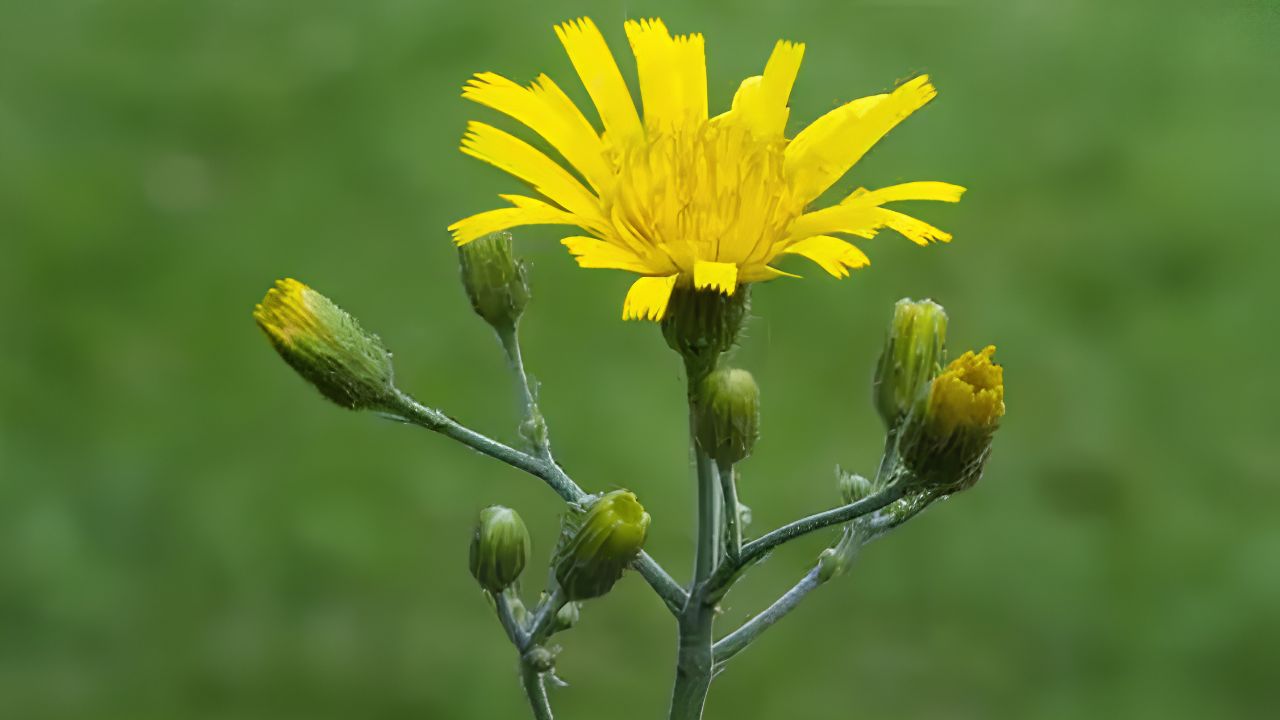
Hawkweed is a group of hardy herbaceous plants belonging to the genus Hieracium and related genera. Depending on the species, hawkweed can produce attractive yellow, orange, or reddish flowers and form low-growing or upright clusters of leaves. Some varieties are grown for ornamental interest, while others are valued as wild plants and may have traditional uses.
Before planting hawkweed, it is important to identify the exact species you have. Hawkweeds can vary considerably in growth habit, hardiness, and usefulness. Some species can spread aggressively through seeds and underground structures, so gardeners should avoid planting potentially invasive varieties where they can escape into natural areas.
Once you know the variety, growing hawkweed is generally straightforward. These plants are adaptable, tolerate less-than-perfect soil, and can establish successfully with moderate watering and plenty of sunlight.
Choosing the Right Location
The best location for hawkweed depends on the species, but most types perform well in a sunny or partly sunny position. A site receiving around six hours of direct sunlight each day is usually suitable for strong growth and reliable flowering.
Choose an area with good air circulation and soil that does not remain constantly wet. Although hawkweed can tolerate different conditions, prolonged waterlogging can weaken the roots and encourage fungal problems.
If you are growing hawkweed in a container, select a pot with drainage holes. A container is also a useful option when you want to control the plant’s spread. Place it somewhere bright where the plant can receive several hours of sunlight.
Preparing the Soil for Hawkweed
Hawkweed is not particularly demanding when it comes to soil. It can grow in moderately poor soils, but providing a loose, well-draining growing medium will help establish healthier roots and foliage.
Before planting, loosen the soil to a depth of about 8 to 12 inches. Remove large stones, weeds, and old roots that could interfere with establishment. If the soil is heavy clay, incorporate some organic matter to improve drainage and structure.
Avoid heavily fertilizing the planting area. Excessively rich soil may encourage lush foliage at the expense of balanced growth and can make some varieties more vigorous than desired.
Starting Hawkweed from Seed
Growing hawkweed from seed is one of the simplest ways to establish plants. Seeds are generally small, so prepare the planting area carefully before sowing.
Scatter the seeds lightly over the surface of moist soil and press them gently into the growing medium. Avoid burying them deeply because small seeds often need good access to light and moisture for successful germination.
Keep the soil lightly moist while the seeds are establishing. Depending on the species and growing conditions, germination may take several weeks. Once seedlings appear, provide plenty of light and allow adequate spacing between plants.
If you are starting seeds indoors, use small trays or pots filled with a well-draining seed-starting mixture. Gradually acclimate young plants to outdoor conditions before transplanting them into the garden.
Planting Young Hawkweed Plants
Young hawkweed plants can be transplanted once they have developed a healthy root system and outdoor conditions are suitable. Dig a hole slightly larger than the root ball and place the plant at approximately the same depth at which it was previously growing.
Gently fill the hole with soil and water thoroughly to settle the roots. Leave enough space between plants for the mature size of the particular variety.
Avoid overcrowding. Good spacing improves airflow around the foliage and makes routine maintenance easier. It also helps prevent weaker plants from competing excessively for sunlight, water, and nutrients.
Watering Hawkweed Correctly
Hawkweed generally prefers consistent but moderate moisture while it is becoming established. Newly planted seeds and seedlings should not be allowed to dry out completely, especially during warm weather.
Once plants are established, they can often tolerate periods of relatively dry soil. Water when the upper portion of the soil becomes dry rather than following a rigid daily schedule.
Deep watering is usually better than frequent shallow watering. Apply water slowly around the base of the plant so moisture can reach the root zone. Avoid keeping the leaves constantly wet, particularly in humid weather.
During rainy periods, reduce supplemental watering. Overwatering is one of the easiest ways to create unhealthy growing conditions for a plant that naturally handles relatively lean environments.
Providing the Right Sunlight
Sunlight plays an important role in keeping hawkweed compact, vigorous, and capable of producing flowers. Most varieties perform best in full sun, although some can tolerate partial shade.
Plants grown in insufficient light may become stretched, produce fewer flowers, or develop weaker stems. If your hawkweed is growing indoors or in a container, place it near a bright window or move the container outdoors when conditions allow.
In very hot climates, a location receiving morning sun and some afternoon protection may help prevent excessive stress. Watch the foliage and soil moisture to determine whether the plant needs additional protection during periods of extreme heat.
Feeding and Fertilizing Hawkweed
Hawkweed usually does not require heavy feeding. If the soil contains a reasonable amount of organic matter, additional fertilizer may not be necessary.
If plants appear unusually weak or growth is poor, a light application of a balanced fertilizer during active growth can provide additional nutrients. Follow the product directions carefully and avoid applying excessive amounts.
Too much fertilizer can encourage rapid, soft growth and may increase the plant’s ability to spread. For hawkweed, moderate fertility is generally preferable to trying to maximize growth.
Mulching and General Maintenance
A thin layer of organic mulch around established plants can help conserve moisture and reduce competition from weeds. Keep mulch slightly away from the crowns and stems to maintain good airflow and reduce the risk of rot.
Remove competing weeds while plants are young. Once established, hawkweed may be capable of competing effectively on its own, depending on the variety.
If flowers are being grown for ornamental purposes, removing spent blooms can improve the appearance of the planting area. It may also reduce unwanted seed production, which is particularly important for varieties that spread readily.
Managing Pests and Plant Problems
Hawkweed is generally a hardy plant, but it can still experience occasional pest and disease problems. Aphids and other small sap-feeding insects may appear on tender growth, while excessive moisture can contribute to fungal issues.
Inspect plants regularly, especially during periods of rapid growth. Look underneath leaves and around new shoots for insects, discoloration, or unusual spots.
Good spacing, proper watering, and adequate sunlight are among the best preventive measures. Avoid repeatedly watering the foliage and remove badly damaged plant material when necessary.
Controlling Hawkweed Spread
One of the most important aspects of growing hawkweed is managing its spread. Certain hawkweed species can spread quickly through seeds and vegetative growth and may become difficult to control once established.
Before planting, research the specific species and check whether it is considered invasive in your area. Avoid allowing unwanted plants to spread beyond your garden.
If you want to maintain a controlled planting, growing hawkweed in containers can be a practical solution. Deadheading flowers before they produce mature seed can also reduce natural reseeding.
Never deliberately introduce a potentially invasive species into nearby wild habitats, roadsides, grasslands, or protected natural areas.
When and How to Harvest Hawkweed
Harvesting depends on the reason you are growing hawkweed and the species involved. If you are growing it primarily for flowers, stems can generally be cut when blooms are fresh and attractive.
Use clean, sharp garden scissors or pruners and make cuts above a healthy set of leaves. Harvesting in the cooler part of the day can help reduce stress on freshly cut stems.
If you intend to collect seeds, allow mature flower heads to develop fully. However, only collect seeds if you are certain that the species is appropriate to grow and will not create an invasive problem in your area.
Hawkweed should not automatically be considered an edible plant simply because it is a wild herb. Different species have different characteristics, and correct identification is essential before consuming any plant.
Growing Hawkweed in Containers
Container growing gives gardeners greater control over hawkweed’s growth. Choose a pot with drainage holes and fill it with a well-draining potting mixture.
Place the container in a sunny position and water when the upper layer of soil begins to dry. Because containers dry faster than garden beds, plants may need more frequent watering during hot weather.
Repotting is usually only necessary when the roots become crowded or the plant has outgrown its container. When repotting, choose a container only moderately larger than the existing one and avoid creating excessively wet soil conditions.
Seasonal Hawkweed Care
During spring, focus on establishing new plants, removing competing weeds, and providing consistent moisture. As temperatures rise, monitor soil moisture and make sure plants receive adequate sunlight without becoming stressed by extreme heat.
During summer, established plants may require less water than young seedlings. Remove unwanted flower heads if you want to prevent reseeding.
In autumn, allow desirable plants to finish their natural growth cycle while removing unhealthy or unwanted material. In colder climates, established plants may become dormant during winter and return when temperatures rise.
The exact seasonal schedule will vary according to species and local climate, so observing the plant’s growth pattern is more useful than following a fixed calendar.
Common Mistakes to Avoid
One common mistake is watering hawkweed too frequently. Although young plants need moisture, established hawkweed generally performs better when the soil is allowed to drain between waterings.
Another mistake is planting without identifying the species. Because hawkweed includes several different plants with different growth behaviors, knowing exactly what you are growing is essential.
Overfertilizing, overcrowding, and allowing unwanted plants to produce large quantities of seed can also create unnecessary problems. Good sunlight, sensible watering, moderate soil fertility, and regular observation are usually enough to maintain healthy plants.
Final Tips for Successful Hawkweed Growing
Growing hawkweed from scratch can be relatively easy when the plant is matched with the right environment. Start with correctly identified seeds or young plants, choose a sunny location, provide well-draining soil, and maintain moderate moisture during establishment.
Once the plants become established, reduce unnecessary watering and fertilizing. Pay particular attention to seed production and spreading, especially if your variety has aggressive growth habits.
With thoughtful planting and regular maintenance, hawkweed can become an interesting addition to an appropriate garden setting. The most successful approach is to work with the plant’s natural adaptability rather than trying to force it into conditions that are excessively rich, wet, or shaded.
