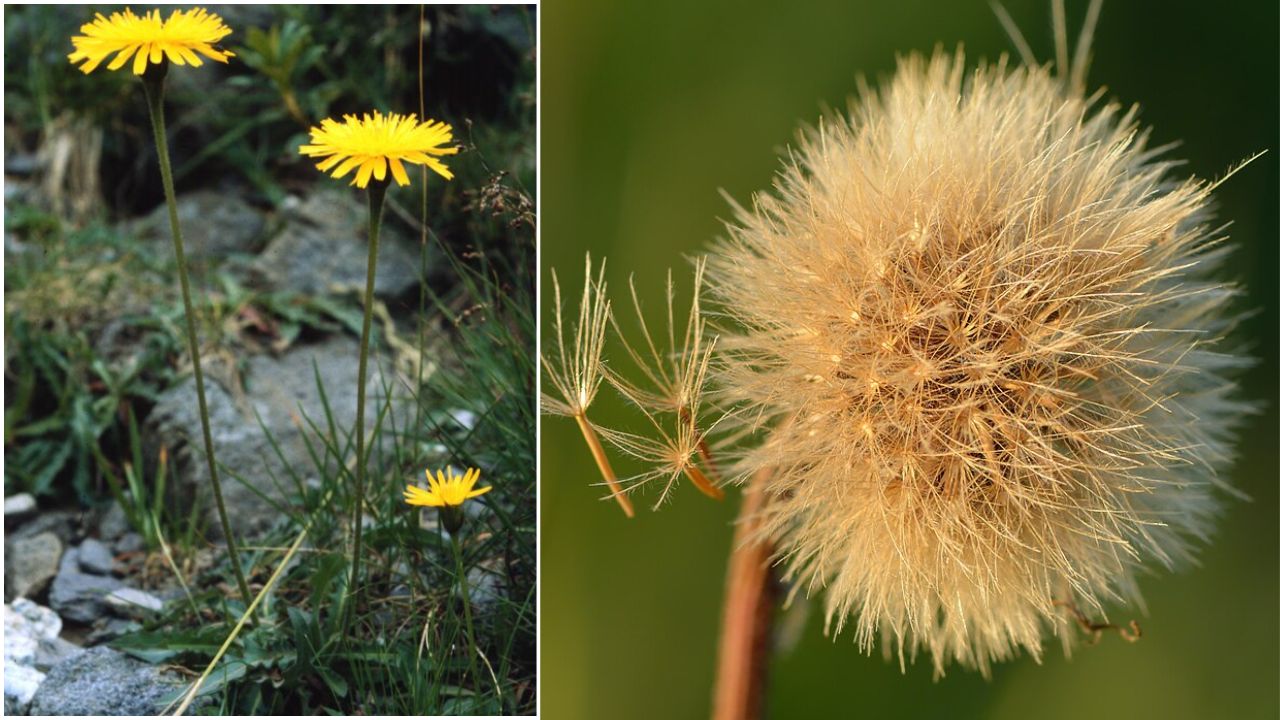
Leontodon is a group of herbaceous plants commonly recognized for their bright yellow, dandelion-like flowers. Depending on the species, these plants can be annual, biennial, or perennial and are often valued for their simple appearance and ability to grow in open, sunny conditions. Growing Leontodon at home can be rewarding because it generally does not require complicated care once it becomes established.
Before planting, it is useful to identify the particular Leontodon species you want to grow. Different species can vary in size, flowering period, and preferred growing conditions. Most appreciate plenty of sunlight, reasonably fertile soil, and good drainage. With the right location and basic maintenance, Leontodon can develop healthy foliage and produce attractive yellow flowers.
Choosing the Right Location for Leontodon
The location you choose has a major effect on how well Leontodon grows. A sunny garden bed is usually ideal because these plants perform best when they receive several hours of direct sunlight each day. A position with around six hours of sunlight is a good starting point, although the exact requirement can vary between species.
Choose an area where water does not remain around the roots after rain or irrigation. Poor drainage can create stressful conditions and may encourage root problems. Leontodon can tolerate relatively open growing conditions, so it does not necessarily need to be planted beneath trees or in heavily shaded areas.
If you are growing it in a container, place the pot near a bright window, balcony, patio, or another location that receives abundant natural light. Rotate the container occasionally if growth becomes noticeably uneven.
Preparing the Soil for Healthy Growth
Leontodon is generally adaptable to different soil conditions, but good drainage is one of the most important requirements. A loose, crumbly soil that allows excess water to drain while retaining enough moisture for the roots is ideal.
Before planting, loosen the soil to a depth of several inches. Remove large stones, weeds, and compacted material. If the soil is heavy, incorporating mature organic matter can improve its structure and drainage. Compost can also provide a moderate supply of nutrients that supports early growth.
Avoid creating extremely rich soil simply to encourage rapid growth. Excessive fertility can sometimes result in abundant leafy growth without producing the balanced flowering habit you want. A reasonably fertile, well-drained growing medium is usually sufficient.
How to Plant Leontodon Seeds
Growing Leontodon from seed is one of the simplest propagation methods. Sow the seeds in prepared soil during a suitable growing period for your local climate. Scatter them lightly over the surface and cover them with only a thin layer of fine soil if necessary.
The seeds need moisture to begin germinating, so keep the soil consistently lightly moist after sowing. Avoid flooding the planting area because saturated soil can interfere with germination and damage young roots.
Once seedlings appear, allow them enough space to develop. If they are growing too close together, thin the weaker seedlings carefully and leave the strongest plants. Good spacing improves air circulation and reduces competition for water, light, and nutrients.
For container growing, use a pot with drainage holes and a quality, free-draining potting mix. Sow several seeds if you want to improve the chance of successful germination, then thin the seedlings after they become established.
Propagating Leontodon Successfully
Seed propagation is usually the most practical way to produce new Leontodon plants. Allowing mature flowers to develop seeds can also provide an opportunity for natural reseeding in suitable garden conditions.
If your particular species forms suitable crowns or established perennial growth, division may sometimes be possible. Carefully separate healthy sections while ensuring each division retains adequate roots, then replant them promptly. However, division is not appropriate for every Leontodon species, so seed propagation is generally the safer and more straightforward approach.
When collecting seeds, allow the flower heads to mature fully before gathering them. Store dry seeds in a cool, dry place until you are ready to sow them. Labeling collected seed with the species and collection date can help you keep track of your plants.
Watering Leontodon the Right Way
Young Leontodon plants need regular moisture while their root systems are developing. Water when the upper layer of soil begins to dry, providing enough moisture to reach the root zone without leaving the soil waterlogged.
Once established, many Leontodon plants can tolerate short periods of relatively dry conditions, particularly when grown in the ground. However, prolonged drought can reduce growth and flowering. During hot weather, monitor the soil more frequently and water when necessary.
Container-grown plants usually require more attention because pots dry out faster than garden beds. Check the soil regularly rather than following a rigid watering schedule. Water thoroughly, then allow excess water to drain from the container.
Providing the Right Amount of Sunlight
Sunlight is essential for strong Leontodon growth and good flower production. A location receiving full sun is generally the best choice. Adequate light encourages compact foliage and supports the energy requirements of flowering.
Plants grown in excessive shade may become thin, weak, or less productive. If a container-grown plant is stretching toward a light source, move it to a brighter position gradually so it can adapt.
In extremely hot climates, some protection from intense afternoon heat may be beneficial, particularly for young plants. Morning sunlight combined with some afternoon protection can help prevent excessive stress while still providing sufficient light.
Feeding Leontodon for Strong Growth
Leontodon usually does not require heavy feeding. If the soil contains reasonable organic matter, the plant can often grow successfully without frequent fertilizer applications.
A light application of balanced fertilizer during active growth can be considered if plants appear weak or the soil is particularly poor. Compost or well-aged organic matter can also be used to improve soil fertility gradually.
Avoid excessive fertilizer, especially high-nitrogen products. Too much nitrogen can encourage soft leafy growth and may reduce the balanced development of flowers. Healthy soil, sufficient sunlight, and appropriate watering are more important than frequent feeding.
Caring for Leontodon Through the Growing Season
Regular observation is the best way to maintain healthy Leontodon plants. Remove competing weeds around young plants so they do not have to compete for moisture and nutrients. Keep the surrounding area reasonably open to encourage air circulation.
Deadheading spent flowers can improve the plant’s appearance and may encourage continued flowering in some species. However, if you want the plant to produce seeds or naturally reseed, leave selected flower heads in place until they mature.
Trim damaged or unhealthy foliage when necessary, but avoid excessive pruning. Allowing healthy leaves to remain on the plant helps it produce energy for continued growth and flowering.
Managing Common Pests and Problems
Leontodon is generally fairly easy to maintain, but common garden pests can occasionally cause problems. Aphids, caterpillars, and other small insects may feed on young shoots or leaves.
Inspect plants regularly, especially the undersides of leaves and new growth. Minor infestations can often be managed by removing affected parts or gently washing pests away with water. Maintaining good growing conditions also helps plants tolerate minor pest pressure.
Excess moisture is another potential problem. If the soil stays wet for long periods, roots may become stressed. Improving drainage and avoiding unnecessary watering can help prevent these issues.
Encouraging Leontodon to Flower
The most important factors for flowering are adequate sunlight, appropriate moisture, and healthy overall growth. Place the plant where it receives plenty of light and avoid excessive fertilizer.
When the plant begins producing flower buds, maintain consistent watering without saturating the soil. Sudden periods of severe drought followed by heavy watering can place unnecessary stress on the plant.
Removing faded flowers can keep the plant looking tidy and may encourage additional blooms depending on the species. If seed production is your goal, allow some flowers to mature naturally.
Growing Leontodon in Containers
Leontodon can be grown in containers when the pot provides sufficient room for the roots and has effective drainage. Choose a container that is large enough for the mature plant rather than using an extremely small pot.
Use a free-draining potting mix and position the container in a sunny location. Because containers lose moisture more quickly than garden soil, check moisture levels regularly during warm weather.
Repotting may be necessary if the roots become crowded or growth slows because the container has become too small. When repotting, handle the root system gently and water the plant after it has been moved.
Seasonal Care and Long-Term Maintenance
Care requirements change throughout the year. During active growth, concentrate on sunlight, watering, weed control, and occasional feeding if needed. During flowering, monitor moisture carefully and remove spent blooms when appropriate.
At the end of the growing season, allow healthy seed heads to mature if you want to collect seed or encourage natural reseeding. Remove clearly dead or diseased plant material and tidy the growing area.
For perennial species, avoid cutting back healthy growth too aggressively before the plant has completed its seasonal cycle. The exact approach should depend on the species and the climate where it is grown.
Harvesting Seeds from Mature Flowers
If you want to propagate Leontodon in future seasons, collecting mature seeds is a simple option. Allow the flower heads to fully mature and dry before collecting them. Harvest them during dry weather when possible.
Separate the seeds from unwanted plant material and allow them to dry completely before storage. Keep them in a labeled, airtight container in a cool and dry location. Properly stored seed can be useful for future planting, although germination rates naturally vary with species, age, and storage conditions.
Final Tips for Growing Leontodon Successfully
Growing Leontodon at home is relatively straightforward when its basic needs are met. Start with healthy seed, choose a sunny and well-drained location, and provide consistent moisture while young plants establish themselves. Once established, avoid excessive watering and unnecessary fertilization.
Good sunlight is especially important for strong growth and attractive flowering. Regularly inspect the plants, control competing weeds, and remove damaged growth when necessary. With simple, consistent care, Leontodon can become a low-maintenance addition to a garden or container collection, rewarding you with healthy foliage and cheerful yellow blooms during its flowering season.
