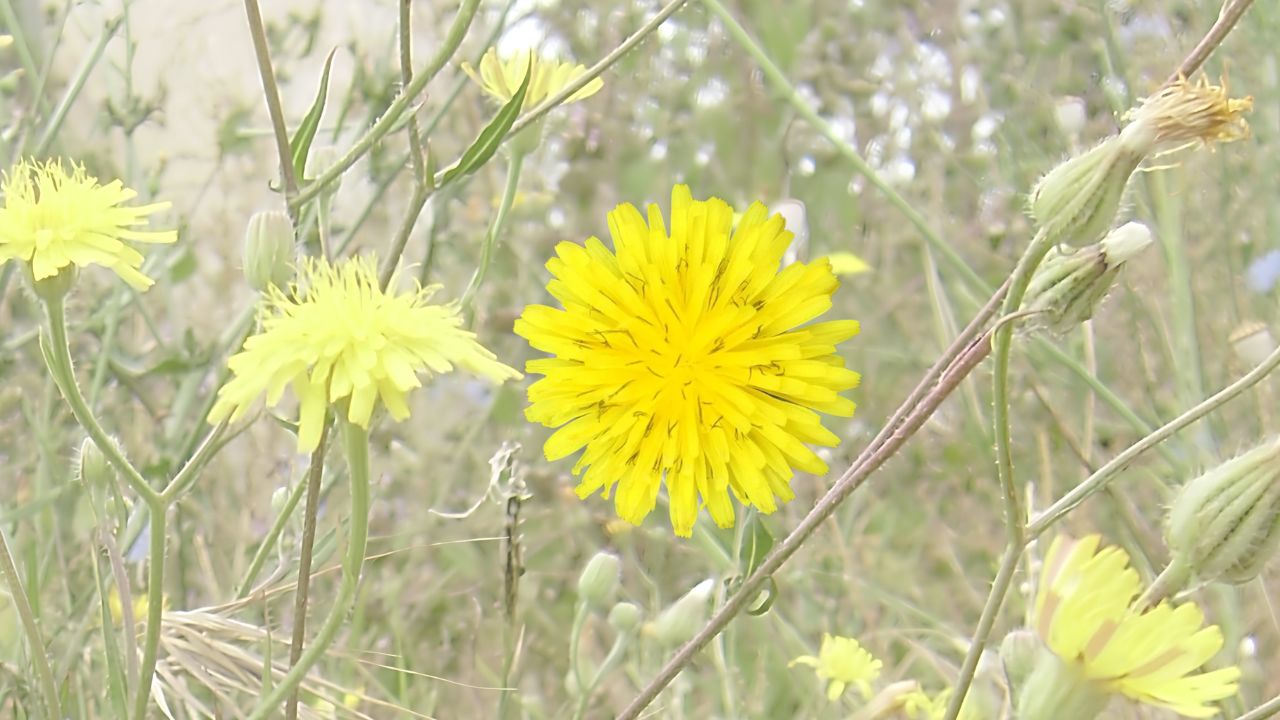
Crepis is a diverse group of plants commonly known as hawksbeard, with species ranging from attractive wildflowers to edible leafy greens. Depending on the species, Crepis can be grown for its tender young leaves, ornamental value, or as part of a naturalized garden. Many types are adaptable and relatively easy to establish, making them suitable for gardeners who want a low-maintenance plant with a useful harvest.
Before planting, it is important to identify the particular Crepis species you intend to grow because growth habits, leaf quality, flowering time, and preferred conditions can vary. Most Crepis plants perform well in moderate climates and appreciate well-drained soil, adequate sunlight, and consistent but not excessive moisture.
Choosing the Right Location
Selecting a suitable planting site is one of the most important steps toward healthy Crepis growth. Most species prefer a location receiving several hours of sunlight each day. Full sun encourages compact growth and strong stems, while light afternoon shade can be beneficial in regions with very hot summers.
Choose an area with good air circulation and avoid places where water remains after rainfall. Poor drainage can weaken the roots and increase the risk of fungal problems. Crepis can grow in garden beds, borders, containers, and naturalized areas as long as the growing medium provides enough room for the roots to develop.
Preparing the Soil
Crepis generally adapts to a range of soil types, but fertile, loose, well-drained soil produces the best growth. Before planting, loosen the soil to a depth of around 8 to 12 inches and remove large stones, weeds, and compacted material.
Adding mature compost or well-rotted organic matter can improve both fertility and soil structure. If the soil is heavy clay, incorporating organic matter and improving drainage can help prevent excessive moisture around the roots. Extremely poor soil may result in slow growth and smaller leaves, while excessively rich soil can encourage soft, weak growth.
A slightly acidic to neutral soil is suitable for many Crepis species. Good drainage is generally more important than achieving a precise soil pH.
Starting Crepis From Seed
Seeds are one of the easiest ways to establish Crepis. Choose fresh, healthy seed and sow it in prepared soil during a season when temperatures are mild. Scatter the seeds thinly over the surface and cover them with only a light layer of soil, since many small seeds germinate better when they are close to the surface.
Keep the seedbed evenly moist without making it waterlogged. Depending on the species and growing conditions, germination may take anywhere from several days to a few weeks. Once seedlings emerge, provide plenty of light and allow them enough space to develop without severe competition.
If starting seeds indoors, use small containers filled with a clean, well-draining seed-starting mix. Transplant young plants carefully after they have developed several true leaves and outdoor conditions are suitable.
Spacing and Transplanting
Proper spacing helps Crepis plants receive sufficient light and air circulation. Crowded plants tend to compete for nutrients and moisture and may develop thinner growth. Space plants according to the mature size of the species, generally leaving enough room for leaves to spread naturally.
When transplanting, handle seedlings by their leaves rather than pulling on delicate stems. Place each plant at approximately the same depth at which it was previously growing. Water immediately after transplanting to settle the soil around the roots.
A short period of slower growth after transplanting is normal. Once the roots become established, the plants should begin producing fresh foliage more consistently.
Watering Crepis Properly
Crepis benefits from regular moisture during establishment, but it does not usually require constantly wet soil. Water newly planted seedlings whenever the upper layer of soil begins to dry. Once plants are established, allow the soil to dry slightly between waterings while avoiding prolonged drought.
During hot or windy weather, plants grown in containers may need water more frequently because containers lose moisture faster than garden beds. Morning watering is generally a good choice because it gives excess moisture time to evaporate from the foliage during the day.
Applying a thin layer of organic mulch around established plants can help conserve moisture and reduce competition from weeds. Keep mulch slightly away from the crown of the plant to avoid creating overly damp conditions.
Providing Adequate Sunlight
Light plays an important role in producing strong, healthy Crepis growth. Most varieties grow best in full sun or partial shade, with several hours of direct sunlight each day.
In cooler climates, a sunny position can encourage faster leaf production and flowering. In areas where summer temperatures become intense, some afternoon shade may reduce stress and help prevent plants from drying out too quickly.
If growing Crepis in containers, rotate the containers occasionally so all sides of the plant receive balanced light. Plants receiving insufficient light may become elongated and less vigorous.
Feeding and Fertilizing
Crepis is generally not a heavy feeder, especially when grown in reasonably fertile soil. Compost incorporated before planting may provide enough nutrients for much of the growing season.
If plants appear pale or growth becomes unusually slow, a mild balanced fertilizer can be applied according to the product’s instructions. Avoid excessive nitrogen because it can produce rapid, soft foliage while reducing overall plant strength.
For plants grown primarily for leafy harvest, maintaining healthy soil fertility is more useful than frequent heavy feeding. Adding compost between growing seasons can gradually improve soil quality without creating an excessive nutrient buildup.
Maintaining Healthy Crepis Plants
Regular maintenance keeps Crepis vigorous and attractive. Remove competing weeds when they are small, especially around young plants. Weeds can quickly consume available moisture and nutrients and may crowd seedlings.
Inspect the foliage occasionally for signs of insect damage, discoloration, or disease. Good spacing and air circulation can reduce many common foliage problems. Remove badly damaged leaves and clear fallen plant material from around the base when necessary.
Some Crepis species can produce abundant flowers and seeds. If you want to encourage continued vegetative growth, remove flower stalks before or shortly after flowering. If your goal is to collect seed or allow the plant to naturalize, leave selected flowers until the seeds mature.
Managing Pests and Diseases
Healthy Crepis plants are usually fairly resilient, but pests such as aphids, caterpillars, and other leaf-feeding insects can occasionally cause damage. Check the undersides of leaves regularly, especially during periods of rapid growth.
Small pest populations can often be managed by removing affected leaves or gently washing insects from the plant with water. Maintaining healthy growing conditions is one of the best ways to reduce serious pest problems.
Excessive moisture and poor air circulation can contribute to fungal diseases. Water the soil rather than repeatedly wetting the foliage, provide sufficient spacing, and avoid planting Crepis in areas where water remains stagnant.
Harvesting Crepis Leaves
If you are growing an edible species of Crepis, harvest young leaves for the best texture and flavor. Tender leaves are generally more pleasant than older foliage, which can become tougher or more bitter as the plant matures.
Use clean scissors or a sharp knife to remove individual leaves while leaving the central growing point intact. Harvesting selectively allows the plant to continue producing fresh growth rather than removing the entire plant at once.
Pick leaves during the cooler part of the day when possible. After harvesting, gently rinse them and use them fresh or store them briefly under suitable cool conditions. Only consume Crepis plants when the species has been correctly identified as edible and has been grown in a safe, uncontaminated location.
Harvesting Flowers and Seeds
For species valued for their flowers, harvesting depends on your purpose. Flower heads can be removed as they fade to keep the plant looking tidy and potentially encourage additional flowering.
If you want to save seeds, allow selected flower heads to mature fully on the plant. As the flowers dry, seeds become easier to collect. Gather mature seed heads on a dry day and place them in a paper container until completely dry.
Separate the seeds from the dried material and store them in a cool, dry place in a clearly labeled container. Good storage conditions help preserve seed quality for the next planting season.
Growing Crepis in Containers
Crepis can also be grown successfully in containers when garden space is limited. Select a pot with drainage holes and enough depth to support the plant’s root system. Use a quality potting mixture that drains well while retaining moderate moisture.
Container plants usually require closer attention to watering because their soil dries more quickly. Check the moisture level regularly and water thoroughly when the upper portion of the mix begins to dry.
Place the container where the plant receives adequate sunlight and good airflow. Repotting may be necessary if the roots become crowded or the plant begins to outgrow its container.
Seasonal Care and Long-Term Growth
Care requirements change throughout the growing season. During early growth, concentrate on consistent moisture, weed control, and adequate sunlight. As plants mature, reduce unnecessary watering and monitor flowering or seed production according to your goals.
In cooler regions, some Crepis species may slow down or die back naturally during colder weather. Remove dead material when appropriate and protect the root area if the species is not well suited to severe cold.
In mild climates, plants may continue growing for much longer periods. Regular harvesting of young foliage can encourage fresh growth in suitable species.
Common Growing Problems
Several problems can occur when Crepis is grown under unsuitable conditions. Leggy plants are often caused by insufficient light, while yellowing leaves may result from excessive moisture, poor drainage, nutrient problems, or natural aging.
Slow germination can occur when seeds are buried too deeply, kept too wet, or exposed to unsuitable temperatures. Uneven watering can also stress young plants and reduce establishment.
The best approach is to examine the growing environment before adding fertilizer or other treatments. Correcting light, drainage, watering, or spacing problems often produces a greater improvement than simply adding more nutrients.
Enjoying a Healthy Crepis Harvest
Growing Crepis successfully is largely about providing the right balance of sunlight, moisture, soil quality, and space. Once established, many species require relatively little attention and can reward the gardener with attractive foliage, flowers, or edible young greens depending on the variety.
Start with correctly identified seed, prepare a well-drained planting area, maintain consistent moisture during establishment, and harvest thoughtfully. With regular observation and simple maintenance, Crepis can become an easy and productive addition to a home garden. Most importantly, identify the exact species before consuming any part of the plant, since not every Crepis species is grown for food.
