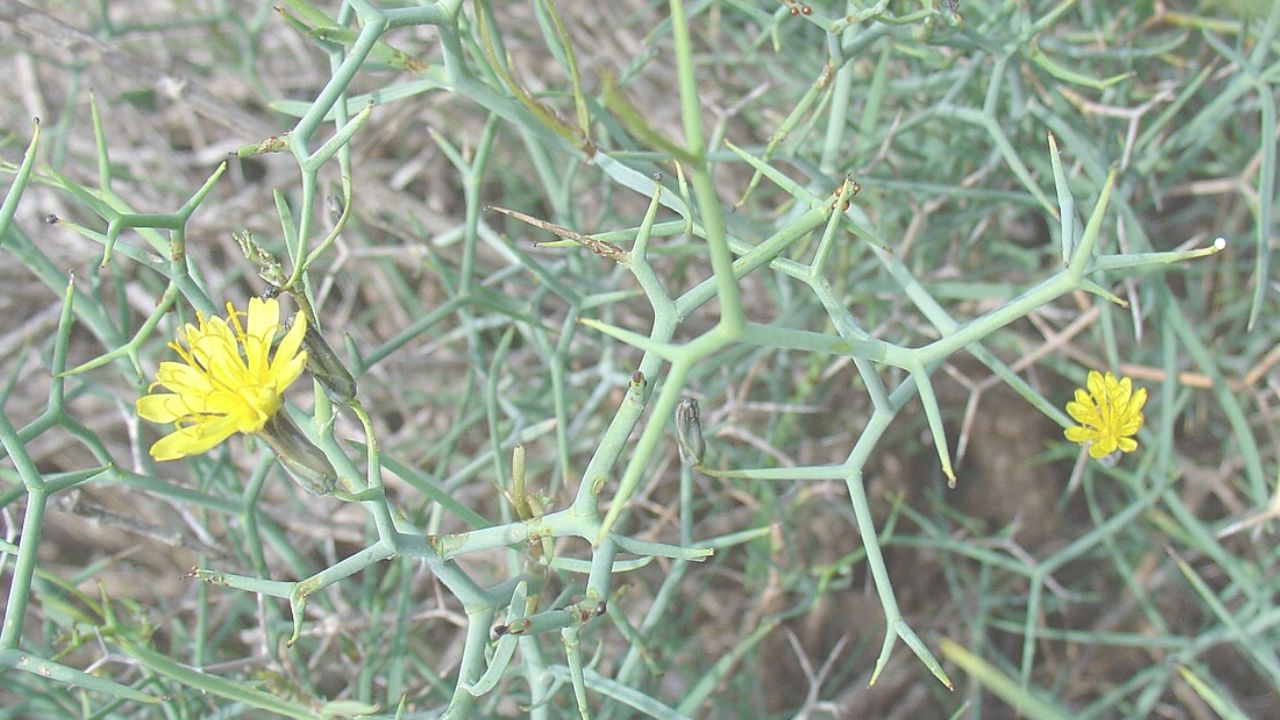
Launaea is a hardy group of herbaceous plants belonging to the daisy family, Asteraceae. Several Launaea species are valued for their edible young leaves, traditional uses, attractive yellow flowers, or ability to thrive in dry and disturbed environments. Depending on the species, the plant may grow as a low rosette close to the ground or develop upright flowering stems. Its natural toughness makes it an interesting choice for gardeners who want a relatively low-maintenance plant that can tolerate challenging conditions.
Successful Launaea cultivation begins with understanding its natural environment. Many species are adapted to warm regions, open landscapes, and soils that do not remain wet for long periods. They generally perform best when given plenty of sunlight, good drainage, moderate watering, and enough space for air circulation. Once established, the plants usually require less attention than many moisture-loving garden crops.
Choosing the Right Location
The planting location has a major influence on Launaea growth. Choose an open area that receives several hours of direct sunlight each day. Full sun is usually ideal because strong light encourages compact growth, healthy leaves, and better flowering. A location receiving around six to eight hours of sunlight is particularly suitable for most sun-loving Launaea types.
Avoid planting in deep shade or areas where buildings, dense vegetation, or other plants block sunlight for most of the day. Insufficient light can lead to weak, elongated growth and fewer flowers. If you are growing Launaea in a container, place it somewhere bright and sunny, such as a balcony, terrace, patio, or sunny garden corner.
Good air movement is also useful. Although Launaea can tolerate tough conditions, crowded plants growing in constantly humid surroundings may experience more fungal problems. Giving each plant sufficient room helps foliage dry naturally after watering or rainfall.
Preparing the Soil
Launaea generally grows best in soil that drains efficiently. Heavy clay soil that holds water for long periods should be improved before planting. Persistent moisture around the roots can reduce oxygen availability and increase the risk of root problems.
A practical soil mixture can contain ordinary garden soil combined with mature compost and a coarse material such as sand or another drainage-improving amendment. The exact mixture can vary according to the existing soil, but the main goal is a loose growing medium that allows excess water to move away from the roots.
The soil does not need to be exceptionally rich. In fact, excessive fertility can sometimes encourage soft, overly leafy growth rather than balanced development. A moderate amount of organic matter is generally enough to support healthy plants while maintaining good soil structure.
Before planting, remove large stones, weeds, and compacted material. If growing in a container, always use a pot with drainage holes at the bottom. Never allow the container to sit permanently in a saucer filled with water.
Planting Launaea from Seed
Seeds are one of the simplest ways to establish Launaea. Start with fresh, healthy seed and sow it in a prepared seed tray, small pots, or directly into the garden when temperatures are suitable. Spread the seeds lightly over the soil surface and cover them with only a thin layer of fine growing medium.
Keep the soil slightly moist while the seeds are establishing, but avoid saturating it. Excessive watering can create unfavorable conditions for germinating seeds and young roots. Place seed trays somewhere warm and bright where they receive indirect or filtered light initially if the conditions are particularly hot.
Once seedlings develop several healthy leaves, they can be gradually moved into stronger sunlight. If seedlings are being transplanted, handle them carefully around the root area and water them lightly after planting. Allow enough space between plants so mature foliage can develop without excessive competition.
Watering Launaea Correctly
Watering is one of the most important aspects of Launaea care. Although young plants need regular moisture while their roots are developing, established plants often tolerate relatively dry conditions.
Water newly planted seedlings whenever the upper layer of soil begins to dry. During very warm weather, young plants may need more frequent attention. As the root system becomes established, gradually reduce watering and allow the soil to dry somewhat between applications.
Instead of giving small amounts of water every day, deep watering followed by a period of drying is often more appropriate. This encourages roots to explore deeper areas of the soil. However, the plant should not be allowed to remain severely wilted for prolonged periods.
During rainy weather, additional watering may not be necessary at all. Always consider the actual moisture level of the soil rather than following a rigid schedule. The most common watering mistake is providing too much moisture when the plant would be healthier with better drainage and a short dry period.
Climate and Temperature Requirements
Launaea generally prefers warm growing conditions, although tolerance varies among species. A warm climate with plenty of sunlight is usually favorable for active growth. Plants established in suitable conditions can often handle periods of heat better than many delicate garden plants.
Young seedlings are more vulnerable to temperature extremes than mature plants. Protect newly germinated seedlings from sudden cold, strong winds, and intense environmental stress. In regions with cool winters, container-grown plants can be moved to a sheltered location when necessary.
High temperatures are usually easier to manage when plants receive adequate sunlight, have well-drained soil, and are watered appropriately. Avoid keeping the roots continuously wet simply because the weather is hot. Good drainage remains important even during summer.
Feeding and Fertilizing Launaea
Launaea usually does not require heavy feeding. If the soil contains reasonable organic matter, the plants can often grow successfully with limited additional fertilizer. Applying a moderate amount of mature compost before planting can provide nutrients while improving soil structure.
If growth appears unusually weak or the leaves show signs of nutrient deficiency, a balanced fertilizer can be applied according to the product’s directions. Avoid excessive nitrogen because it can encourage rapid, soft foliage growth and may not be necessary for a naturally hardy plant.
Container-grown plants may require occasional feeding because nutrients are gradually depleted from the limited volume of soil. Even in containers, however, moderate feeding is preferable to frequent heavy applications.
Managing Weeds and Maintaining Healthy Plants
Young Launaea plants can initially struggle with weeds because competing vegetation may grow faster and consume available moisture and nutrients. Keep the area around young plants relatively clear. Gentle hand weeding is usually sufficient.
A light organic mulch can help reduce weed growth and slow moisture loss, but keep mulch slightly away from the plant’s central stem or crown. Thick, constantly wet mulch pressed against the plant can encourage unwanted moisture around the base.
Remove damaged or dead leaves when necessary and maintain good spacing. If plants become overcrowded, thinning them can improve air circulation and reduce competition for sunlight and nutrients.
Propagating Launaea for More Plants
Seed propagation is generally the most straightforward approach for increasing Launaea plants. Allow healthy plants to flower and produce mature seed when you want to collect your own planting material. Seed heads should be allowed to develop fully before collection.
Harvest mature seeds during dry weather and store them in a cool, dry location until the next planting period. Label stored seeds with the plant name and collection date to make future planting easier.
Because Launaea species differ in their growth habits and reproductive characteristics, propagation methods can vary. For most home gardeners, however, starting plants from seed provides a simple and practical way to establish a new crop.
Protecting Launaea from Common Problems
Launaea is generally resilient, but poor growing conditions can still create problems. Overwatering and poor drainage are among the biggest concerns because they can weaken roots and encourage disease. Improving drainage is usually more effective than simply treating symptoms.
Pests may occasionally feed on young leaves or tender growth. Inspect plants regularly, particularly during periods of rapid growth. Look underneath leaves and around new shoots for signs of insect activity. Removing heavily affected plant material and maintaining healthy growing conditions can help keep minor problems under control.
Good sunlight, appropriate spacing, clean growing conditions, and sensible watering are the foundation of prevention. Avoid unnecessary chemical treatments, especially when growing Launaea for culinary purposes.
Harvesting Launaea Leaves and Flowers
If you are growing an edible Launaea species, young leaves are generally the most tender stage for harvesting. Harvest only plants that have been correctly identified as an edible species, because not every Launaea species should automatically be assumed to be suitable for consumption.
Use clean scissors or a sharp knife to remove suitable leaves without severely damaging the central growing point. Regular but moderate harvesting can encourage continued production in plants that respond well to leaf picking.
Flowers can also be appreciated ornamentally, while mature plants may be allowed to produce seed for future propagation. If your goal is seed collection, leave some healthy flowers undisturbed until the seed heads mature.
Growing Launaea Successfully in Containers
Launaea can be grown in containers when garden space is limited. Choose a pot large enough to accommodate the expected root system and make sure it has several drainage holes. A loose, well-draining potting mixture is preferable to dense garden soil.
Place the container in a sunny position and monitor soil moisture more frequently during hot weather because containers dry faster than garden beds. At the same time, avoid watering automatically every day if the soil is still damp.
Container growing also makes it easier to move plants during unusually cold weather or severe environmental conditions. With sufficient light, proper drainage, and moderate feeding, Launaea can remain an attractive and manageable container plant.
Final Tips for Healthy Launaea Growth
Growing Launaea successfully is mainly about creating conditions that match its naturally hardy character. Give it plenty of sunlight, loose and well-drained soil, moderate nutrients, and careful watering. Young plants need more consistent attention, while established specimens can usually tolerate short dry periods with little difficulty.
The key is to avoid extremes. Do not leave the roots permanently wet, but do not allow young plants to become severely dehydrated either. Provide enough room for healthy development, remove competing weeds, and observe the plants regularly for changes in growth.
With the right soil, suitable climate, sensible watering, and adequate sunlight, Launaea can become a dependable addition to a home garden. Its relatively low-maintenance nature makes it especially appealing to gardeners interested in resilient plants that can perform well under warm and moderately dry conditions.
