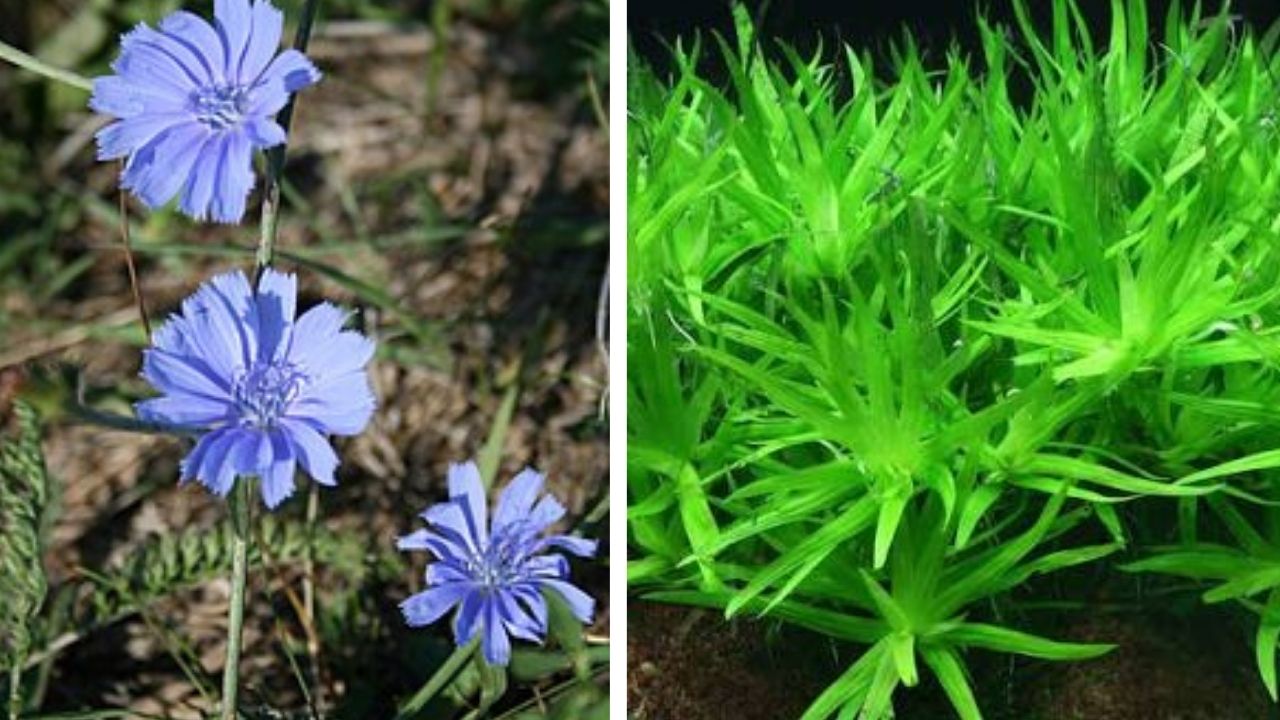
Heteracia is an attractive flowering plant that can add character and seasonal color to a garden when grown under suitable conditions. Like many ornamental plants, its overall performance depends on getting the basics right from the beginning, especially soil, sunlight, moisture, temperature, and feeding. A healthy Heteracia plant should produce vigorous foliage, strong stems, and regular flowering when its growing requirements are consistently met.
Before planting, choose a location that provides adequate light and enough room for the plant to develop without excessive competition from nearby vegetation. Good air circulation is also valuable because crowded, continuously damp conditions can encourage fungal problems. Understanding the plant’s natural growth pattern makes routine care much easier and helps you avoid unnecessary watering, feeding, or pruning.
Choosing the Best Location for Heteracia
Light is one of the most important factors affecting Heteracia growth and flowering. A bright position with several hours of sunlight each day generally encourages stronger growth and better flower production. In particularly hot climates, intense afternoon sunlight can sometimes stress plants, so a location with morning sun and light afternoon protection may be preferable.
Avoid planting Heteracia in a completely shaded area unless the species is specifically adapted to low light. Insufficient sunlight can lead to weak, stretched growth and fewer flowers. At the same time, newly planted specimens may need gradual exposure to strong sunlight if they were previously grown under sheltered conditions.
Good air movement around the plant is equally important. Leave enough space between Heteracia and neighboring plants so leaves can dry reasonably quickly after rain or watering. This simple step can reduce the likelihood of persistent moisture-related problems.
Preparing Soil for Healthy Growth
Heteracia performs best when planted in fertile soil that drains efficiently. Waterlogged soil can deprive roots of oxygen and may eventually cause root deterioration, while extremely poor soil can limit foliage development and flowering. Before planting, loosen the soil and remove large stones, weeds, and compacted material.
Adding mature compost or well-decomposed organic matter can improve soil structure while providing a gradual supply of nutrients. If the existing soil is heavy clay, incorporating suitable organic material and improving drainage can make the planting area more suitable. Sandy soil may benefit from compost because organic matter helps it retain moisture and nutrients more effectively.
The goal is not simply to create nutrient-rich soil but to establish a balanced growing medium that holds enough moisture for the roots without remaining saturated. A well-prepared planting site gives Heteracia a much stronger start and reduces maintenance later in the season.
Planting Heteracia Correctly
Plant Heteracia after the danger of severe frost has passed if you live in a cold climate. In warmer regions, planting can usually be timed according to the species and local growing season. Select healthy plants with firm stems, healthy foliage, and no obvious signs of pests or disease.
Dig a hole slightly wider than the root system and deep enough to position the plant at approximately the same depth at which it was previously growing. Avoid burying the stem too deeply, as excessive moisture around the crown can create problems.
After placing the plant, fill the hole with prepared soil and gently firm it around the roots. Water thoroughly to settle the soil and eliminate large air pockets. If several plants are being grown together, provide adequate spacing so mature plants have sufficient access to sunlight and air.
Watering Heteracia Without Overdoing It
Consistent but sensible watering is essential during the establishment period. Newly planted Heteracia generally needs more frequent attention because its root system has not yet spread into the surrounding soil. Water deeply rather than providing frequent, shallow sprinkles.
Once established, allow the upper layer of soil to dry slightly between waterings, depending on weather conditions and soil type. During hot or dry periods, plants may require additional moisture, while rainy weather may eliminate the need for supplemental watering.
Water around the base of the plant instead of repeatedly wetting the foliage. Morning watering is often preferable because any moisture that reaches the leaves has more opportunity to dry during the day. Avoid keeping the soil constantly saturated, as excessive moisture can be just as damaging as drought.
Feeding Heteracia for Vigorous Growth
Nutrients support foliage development, root growth, and flower production. Heteracia does not necessarily require heavy fertilization, but plants growing in poor soil can benefit from regular feeding during active growth.
A balanced fertilizer applied according to the product directions can provide the nutrients needed for healthy development. Excessive nitrogen should be avoided because it may encourage abundant leafy growth at the expense of flowers. Compost or other well-decomposed organic matter can also be incorporated into the soil periodically to maintain fertility.
Feed most actively during the plant’s main growing period and reduce or stop routine fertilization when growth naturally slows. Always water appropriately after applying granular fertilizer if the product instructions recommend it, and avoid placing concentrated fertilizer directly against stems or roots.
Pruning and General Maintenance
Regular maintenance helps Heteracia remain attractive and productive. Remove dead, damaged, or diseased leaves as soon as they are noticed. Spent flowers can also be removed when appropriate, particularly if you want the plant to concentrate its energy on producing additional blooms rather than seed.
Use clean, sharp pruning tools when cutting stems. Avoid excessive pruning unless the particular Heteracia species responds well to it. Removing too much healthy growth at once can temporarily weaken the plant.
Weeding around the base is another important task. Competing weeds consume water and nutrients while also reducing air circulation. A thin layer of organic mulch can help suppress weeds, conserve soil moisture, and moderate temperature fluctuations. Keep mulch slightly away from the main stem to prevent excessive moisture buildup around the plant’s base.
How to Propagate Heteracia
Propagation methods can vary depending on the exact Heteracia species, but seeds and vegetative techniques are common approaches for many flowering plants. Seed propagation can be useful when producing a larger number of plants. Sow fresh, viable seeds in a suitable growing medium and keep the medium evenly moist without making it soggy.
Provide bright light and suitable warmth during germination. Once seedlings develop several healthy leaves and become strong enough to handle, they can be gradually acclimated before being moved into their permanent growing location.
If the plant responds well to cuttings or division, vegetative propagation can provide a faster way to produce plants with characteristics similar to the parent. Healthy material should be selected, and newly propagated plants should be kept in suitable moisture and humidity while roots become established.
Encouraging More Heteracia Flowers
Flower production is strongly influenced by light, nutrition, watering, and general plant health. The simplest way to encourage flowering is to provide sufficient sunlight without exposing the plant to conditions that cause severe heat stress.
Avoid excessive nitrogen fertilization, particularly when the plant is mature enough to flower. A balanced feeding program is usually more helpful than repeatedly applying high-nitrogen fertilizer. Consistent moisture is also important because severe drought followed by heavy watering can place unnecessary stress on the plant.
Removing faded flowers can encourage a tidier appearance and, depending on the species, may support continued blooming. Keep the plant free from serious pest pressure and remove damaged growth promptly. Healthy plants naturally have a better capacity to produce flowers.
Managing Common Pests and Problems
Heteracia may occasionally experience problems caused by common garden pests such as aphids, mites, or other sap-feeding insects. Regularly inspect the undersides of leaves, young shoots, and flower stems because early detection makes control much easier.
Minor infestations can sometimes be managed by washing pests from the plant with a gentle stream of water. Maintaining good air circulation, avoiding unnecessary moisture on foliage, and removing severely affected plant material can also improve overall plant health.
Yellowing leaves do not always indicate disease. They may result from overwatering, poor drainage, insufficient nutrients, inadequate light, or natural aging. Examine the entire growing environment before changing the care routine. Correcting the underlying cause is more effective than treating symptoms alone.
Seasonal Care for Heteracia
Heteracia care should change with the seasons. During active growth, concentrate on sunlight, watering, feeding, weed control, and flower maintenance. Hot weather may increase water requirements, while prolonged rain may mean that additional watering should be reduced.
In cooler periods, growth may slow considerably. Avoid excessive fertilizer when the plant is not actively growing, and make sure the root zone does not remain unnecessarily wet. In regions where cold temperatures threaten the plant, protection may be necessary depending on its tolerance.
Container-grown Heteracia requires particularly close attention because pots dry faster than garden soil. Ensure containers have drainage holes and never allow the pot to remain standing in water for long periods.
Creating the Right Long-Term Care Routine
Successful Heteracia cultivation does not depend on complicated techniques. A consistent routine is more valuable than occasional intensive care. Check soil moisture regularly, observe foliage for changes, remove unwanted growth, and monitor flowering throughout the growing season.
Provide suitable light, well-drained fertile soil, moderate moisture, and appropriate feeding. Prune only when necessary, maintain good air circulation, and give newly propagated plants extra attention while their roots develop.
With these conditions in place, Heteracia can establish a healthy growing habit and provide attractive seasonal interest. The key is to respond to the plant rather than following a rigid watering or feeding schedule. Weather, soil, container size, plant age, and local climate can all change its needs. By paying attention to these factors and making small adjustments when necessary, gardeners can maintain vigorous plants and encourage dependable flowering season after season.
