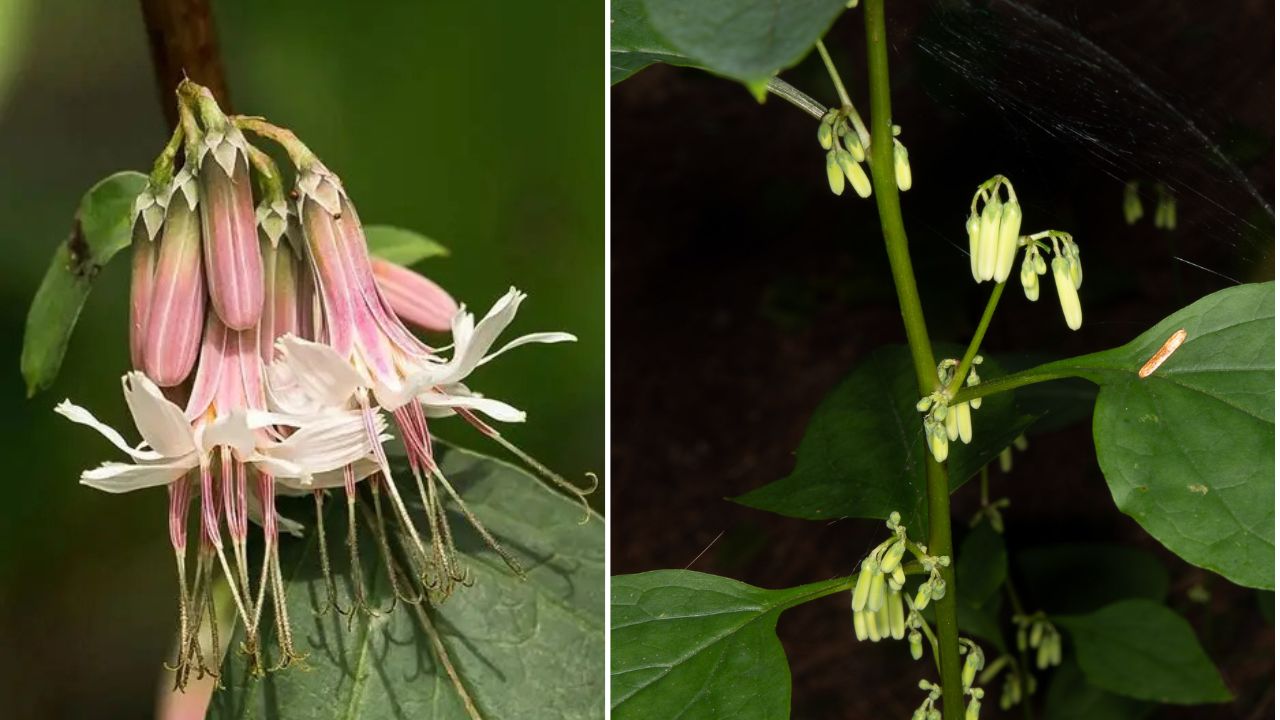
Prenanthes is a fascinating group of herbaceous plants belonging to the daisy family, Asteraceae. Depending on the species, Prenanthes can be found growing naturally in woodland edges, forest clearings, rocky slopes, meadows, and other temperate habitats. Many species are valued for their delicate foliage, branching stems, and small flowers that can add a natural, understated character to a garden.
Growing Prenanthes successfully begins with understanding its natural environment. Most species prefer conditions that resemble their native habitat rather than extremely hot, dry, or heavily cultivated garden beds. The right balance of moisture, soil quality, light, and air circulation will encourage strong growth while reducing stress. Because different Prenanthes species can have somewhat different requirements, identifying the particular species you are growing is useful when planning its care.
Choosing the Right Location
The location you select has a major influence on Prenanthes growth. Many species perform well in partial shade, especially where they receive gentle morning sunlight followed by protection from intense afternoon heat. Woodland-type species can tolerate filtered light beneath trees, while some varieties grow better in brighter locations with several hours of direct sunlight.
Choose an area with good air movement and enough space for the plant to develop naturally. Avoid planting Prenanthes in places where water regularly collects after rainfall. Although the plant appreciates consistent moisture, permanently saturated soil can restrict oxygen around the roots and increase the risk of root problems.
A location that receives morning sun and afternoon shade is often a useful starting point in warmer climates. In cooler regions, Prenanthes may tolerate more sunlight as long as the soil does not dry out excessively.
Preparing the Soil for Healthy Growth
Prenanthes generally benefits from fertile, moisture-retentive soil that still drains efficiently. A loose loam containing plenty of organic matter provides a good foundation for root development. Before planting, loosen the soil to a depth of approximately 8 to 12 inches and remove large stones, weeds, and compacted material.
Adding mature compost or well-decomposed organic matter can improve both soil structure and fertility. If the existing soil is very sandy, organic matter can help it retain moisture. If the soil is heavy clay, incorporating organic material can improve its structure and drainage.
The ideal soil should remain evenly moist without becoming muddy. Avoid using excessive amounts of fertilizer or fresh manure, as overly rich conditions can encourage weak, rapid growth rather than balanced development.
Starting Prenanthes from Seed
Growing Prenanthes from seed is one of the most natural propagation methods, although germination can sometimes be slow or inconsistent. Fresh, viable seeds generally provide the best results. Sow the seeds in a prepared seed tray or directly into a suitable garden bed when conditions are favorable.
Prenanthes seeds are usually small, so avoid burying them deeply. Scatter them over the surface of moist, fine-textured growing medium and press them gently into place. A very thin covering of soil or growing medium may be used if necessary.
Keep the seedbed consistently moist but never waterlogged. Place containers somewhere bright but protected from harsh direct sunlight. Germination time can vary depending on species, seed freshness, temperature, and other environmental conditions.
Young seedlings should be handled carefully because their early roots and stems can be delicate. Once they develop several true leaves and become large enough to handle, they can gradually be moved into their permanent growing location.
Propagating Prenanthes by Division
Division can be useful for mature Prenanthes plants when the species develops a suitable clump or crown. This method produces plants more quickly than starting from seed and allows an established plant to be multiplied.
Choose a healthy, well-established plant and divide it during a period when active growth is not under severe environmental stress. Carefully lift the plant from the soil while trying to preserve as much of the root system as possible.
Separate the crown into healthy sections, making sure each division has sufficient roots and growing points. Replant the divisions immediately at approximately the same depth at which they were previously growing. Water thoroughly after planting and keep the soil consistently moist while the divisions become established.
Not every Prenanthes species responds equally well to division, so this technique is best suited to species that naturally form clumps or multiple crowns.
Watering Prenanthes Correctly
Consistent watering is important during establishment and periods of dry weather. Newly planted Prenanthes should not be allowed to dry out completely because young roots are particularly sensitive to moisture stress.
Instead of providing frequent shallow watering, water deeply enough to moisten the root zone. Allow the upper surface of the soil to dry slightly between waterings while maintaining moisture deeper in the soil.
Established plants may require less frequent irrigation, particularly when grown in naturally moist soil or partially shaded conditions. During hot weather, check the soil regularly and increase watering when necessary. Mulching around the plant can help reduce evaporation and maintain more stable soil moisture.
Providing the Right Amount of Sunlight
Light requirements vary among Prenanthes species, but partial shade is a reliable choice for many woodland-associated types. Too much intense afternoon sunlight can cause foliage to wilt, particularly when soil moisture is limited.
On the other hand, excessively deep shade can result in weak, stretched growth and reduced flowering. The goal is to provide enough light for healthy photosynthesis while protecting the plant from prolonged heat and drought.
If growing Prenanthes in containers, placement can be adjusted easily according to seasonal conditions. Move the container to a brighter location during cooler periods and provide additional afternoon protection when summer temperatures become intense.
Feeding and Fertilizing Prenanthes
Prenanthes usually does not require heavy feeding when planted in fertile soil. Excessive fertilizer can produce soft, overly vigorous growth and may reduce the natural appearance of the plant.
A moderate application of compost around the base during the growing season can provide gentle nutrition while improving soil structure. If a fertilizer is needed, choose a balanced, mild formulation and follow the recommended application rate.
Avoid applying fertilizer directly against stems or foliage. Water after feeding to help nutrients move into the soil and prevent concentrated fertilizer from damaging roots.
Mulching and General Plant Care
A thin layer of organic mulch can be beneficial for Prenanthes. Materials such as shredded leaves, compost, or fine bark can help conserve moisture, moderate soil temperature, and gradually contribute organic matter as they decompose.
Keep mulch slightly away from the main stems to improve air circulation and reduce the chance of excessive moisture around the crown. Remove weeds regularly, especially while plants are young, because competing vegetation can quickly consume available moisture and nutrients.
Pruning is generally limited to removing damaged, diseased, or unwanted growth. Allowing healthy stems to remain can support flowering and maintain the plant’s natural form.
Managing Pests and Plant Problems
Healthy Prenanthes plants are generally easier to maintain than stressed plants. Poor drainage, prolonged drought, overcrowding, and excessive humidity can create conditions that encourage disease or pest problems.
Inspect the foliage regularly for signs of chewing insects, discoloration, distorted growth, or unusual spots. Early detection makes problems easier to manage. Improving air circulation, removing badly affected plant material, and maintaining appropriate watering practices are often useful first steps.
Avoid keeping foliage constantly wet, particularly in areas with limited airflow. Watering near the base of the plant rather than repeatedly wetting the leaves can help maintain healthier conditions.
When and How to Harvest Prenanthes
Harvesting depends heavily on the particular Prenanthes species and the intended use. Some species are primarily grown as ornamental or ecological plants, while others may have traditional uses. Do not consume or prepare any wild plant unless its identity and safety have been positively confirmed.
For plants being harvested for seeds, allow flower heads to mature fully before collecting them. Mature seeds can often be gathered once the flower heads become dry and begin releasing their contents. Collect them during dry weather and store them in a cool, dry location.
If harvesting foliage for an approved purpose, select clean, healthy leaves from vigorous plants and avoid removing too much growth at once. Leaving sufficient foliage allows the plant to continue photosynthesizing and recovering after harvesting.
Preparing Prenanthes for Winter
Winter care depends on the species and local climate. In areas where Prenanthes naturally experiences cold winters, established plants may survive seasonal dormancy without extensive protection.
After flowering and seed development, damaged or completely dead growth can be removed if desired. A light layer of organic mulch can help protect the root zone from dramatic temperature changes, particularly for younger plants.
Container-grown Prenanthes may be more vulnerable to freezing because their roots are exposed to colder temperatures than plants growing in the ground. Containers can be placed in a sheltered location during severe weather while still allowing the plant to experience its normal seasonal cycle.
Growing Prenanthes Successfully Over Time
The key to growing Prenanthes is to work with its natural preferences rather than forcing it into unsuitable conditions. Good soil preparation, appropriate light, steady moisture, and gentle feeding provide the foundation for healthy growth.
Patience is particularly important when starting the plant from seed. Germination may take time, and young plants can develop gradually before becoming established. Once settled into a suitable environment, Prenanthes can become a low-maintenance addition to a naturalistic garden.
Whether grown for its delicate flowers, attractive foliage, ecological value, or simple interest in native and unusual plants, Prenanthes rewards growers who pay attention to its growing environment. By maintaining balanced moisture, fertile but well-drained soil, suitable light, and careful seasonal care, you can encourage strong, healthy plants and enjoy their natural beauty throughout the growing season.
