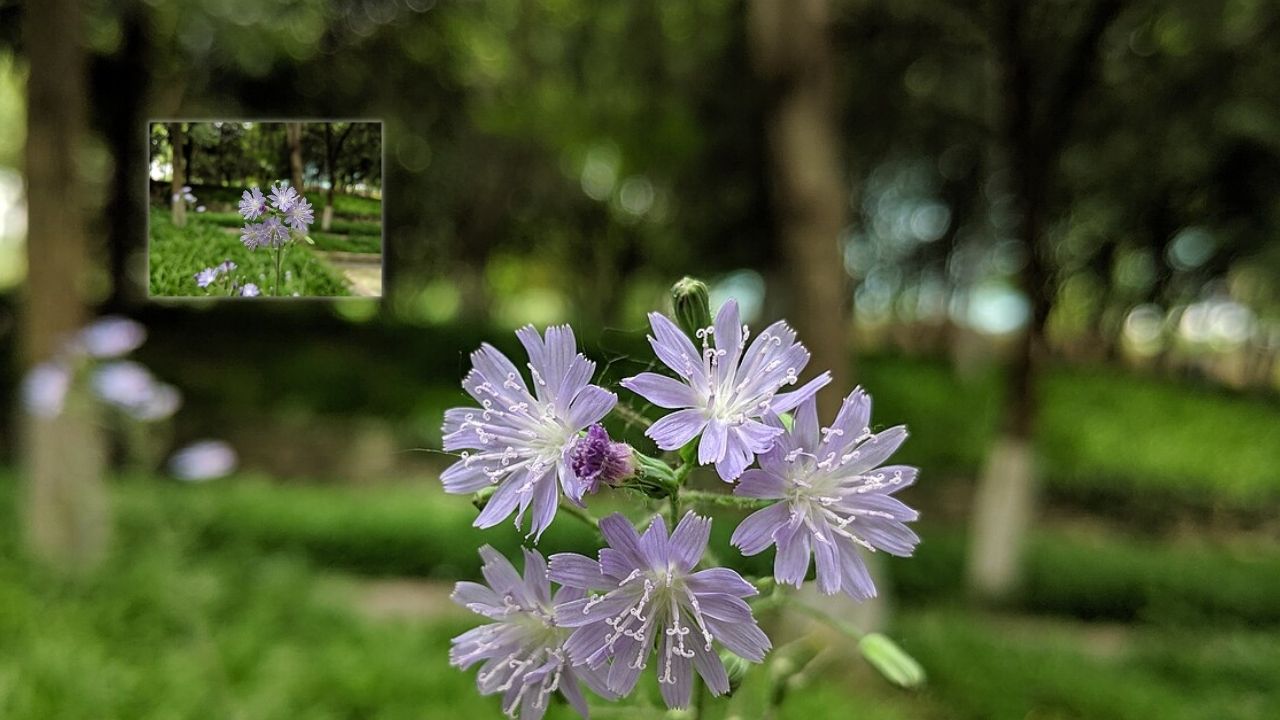
Paraprenanthes is a lesser-known flowering plant that belongs to the daisy family, Asteraceae. It is closely associated with the diverse group of plants commonly known as lettuce-like herbs, and different species can vary considerably in their growth habits, leaf shape, flowering characteristics, and preferred environments. Because it is not as commonly cultivated as vegetables or ornamental garden plants, growing Paraprenanthes can be an interesting project for gardeners who enjoy unusual species.
Successful cultivation begins with understanding the plant’s natural growing conditions. Paraprenanthes generally performs best when its basic requirements are met consistently rather than when it is heavily fertilized or frequently disturbed. Good drainage, suitable light, moderate moisture, and a loose growing medium provide the foundation for healthy plants. Before planting, identify the particular Paraprenanthes species you have because its mature size and environmental preferences may differ.
Choosing the Right Location for Paraprenanthes
Selecting a suitable planting location is one of the most important steps. Paraprenanthes should be grown where it receives adequate natural light while also having protection from extreme environmental conditions. A location with bright light and good air circulation can encourage compact, healthy growth and reduce problems caused by excessive humidity.
In cooler climates, a sunny position may be ideal for maintaining vigorous growth. In regions with very intense summer heat, however, some afternoon protection can be beneficial. If you are growing the plant in a container, its position can be adjusted as weather conditions change. Avoid areas where water regularly collects after rain because constantly saturated soil can damage the roots.
Preparing the Soil for Healthy Growth
Paraprenanthes benefits from soil that is loose, fertile, and well drained. Heavy clay can hold too much water around the roots, while extremely sandy soil may allow moisture and nutrients to disappear too quickly. A balanced growing medium containing organic matter can provide both drainage and moisture retention.
Before planting, loosen the soil several inches deep and remove large stones, weeds, and compacted material. Incorporating mature compost or other well-decomposed organic matter can improve soil structure and provide a gradual supply of nutrients. The ideal soil should remain moderately moist without becoming muddy.
If growing Paraprenanthes in a container, choose a pot with drainage holes. A quality potting mixture combined with organic material and a drainage-supporting component can create a suitable root environment. Avoid using garden soil alone in containers because it can become compacted and restrict drainage.
Starting Paraprenanthes From Seed
Growing Paraprenanthes from seed can be rewarding, although germination may require patience. Use fresh, healthy seeds and sow them in a clean seed-starting medium. Scatter the seeds over the surface or cover them only lightly, depending on the characteristics of the species and seed.
Keep the growing medium evenly moist but never waterlogged. A gentle misting method is useful because strong streams of water can displace small seeds. Place the seed tray in a bright location with suitable temperatures and provide good ventilation.
Germination time can vary, so avoid assuming that seeds have failed simply because they do not emerge immediately. Once seedlings appear, give them sufficient light to prevent weak, stretched growth. When the young plants develop several true leaves and have a stronger root system, they can gradually be moved into individual containers or their permanent growing area.
Planting Young Paraprenanthes Plants
When transplanting young Paraprenanthes plants, handle their roots carefully. Dig a hole slightly wider than the existing root system and position the plant at approximately the same depth at which it was previously growing. Fill around the roots with prepared soil and gently firm the surface.
Water thoroughly after planting to help settle the soil around the roots. During the first few weeks, pay particular attention to moisture because newly transplanted plants are more vulnerable to drying out. At the same time, avoid excessive watering, especially if the soil drains slowly.
Give individual plants enough space to develop naturally. Crowding can reduce air circulation and encourage competition for moisture and nutrients. The appropriate spacing depends on the species and its expected mature size.
Watering Paraprenanthes Correctly
Proper watering is essential, particularly while plants are becoming established. Rather than watering according to a rigid schedule, check the condition of the soil. When the upper portion begins to dry, provide a thorough watering and allow excess moisture to drain away.
Young plants generally need more consistent moisture than established specimens. During periods of hot or dry weather, monitor containers and shallow soils more frequently because they can dry out quickly. During cool or rainy periods, watering may need to be reduced considerably.
The goal is consistent but moderate moisture. Repeated cycles of severe drying followed by excessive watering can place unnecessary stress on the plant. Watering near the base rather than constantly wetting the foliage can also help maintain healthier conditions.
Providing the Right Amount of Sunlight
Light requirements depend partly on the Paraprenanthes species being grown, but bright natural light is generally important for strong development. Insufficient light may result in elongated stems, smaller leaves, and reduced flowering.
A location receiving several hours of sunlight can work well when temperatures are moderate. If the plant begins showing signs of heat stress during very hot weather, moving container-grown specimens to a position with some afternoon shade may help.
Plants grown indoors or in protected environments should be placed close to a bright window when natural light is adequate. Rotate containers occasionally so growth remains relatively even rather than leaning strongly toward one direction.
Feeding and Fertilizing Paraprenanthes
Paraprenanthes usually does not require excessive fertilization. If the soil contains sufficient organic matter, plants can often grow well with limited supplemental feeding. Too much fertilizer may encourage soft vegetative growth without providing a corresponding benefit to overall plant health.
A balanced, diluted fertilizer can be applied during active growth when plants appear to need additional nutrition. Compost or another well-decomposed organic amendment can also be used to maintain soil quality over time.
Always follow the recommended application rate of any fertilizer being used. Feeding should support healthy growth rather than force rapid development. Plants with pale foliage, weak growth, or poor vigor may benefit from improved soil conditions as much as from additional nutrients.
Managing Weeds, Pests, and Plant Problems
Regular observation makes Paraprenanthes easier to maintain. Weeds should be removed while they are small because they compete with the plant for water, light, and nutrients. A thin layer of organic mulch around the plant can help suppress weeds and reduce moisture loss, but keep mulch slightly away from the stem.
Watch for common garden pests such as aphids, caterpillars, and other insects that may feed on tender foliage. Inspect the undersides of leaves regularly so problems can be identified early. Damaged or diseased foliage should be removed when appropriate, and overcrowding should be avoided to maintain air circulation.
Root problems are more likely when soil remains excessively wet. If leaves repeatedly wilt despite wet soil, examine drainage rather than simply adding more water. Improving the growing environment is often more effective than treating symptoms alone.
Pruning and General Plant Care
Paraprenanthes generally benefits from simple maintenance rather than aggressive pruning. Remove dead, damaged, or unhealthy growth to keep the plant tidy and encourage better airflow. If stems become excessively tall or weak, appropriate trimming may help maintain a more manageable shape, depending on the species.
During flowering, spent blooms can be removed if you want to maintain a neat appearance or encourage continued flowering. However, leaving some flowers to mature can be useful if you intend to collect seeds for future plants.
Keep the surrounding area clean and avoid allowing fallen diseased leaves to accumulate around the base. Good garden hygiene can reduce the chance of recurring problems.
How to Multiply Paraprenanthes
Propagation by seed is the most practical method for many Paraprenanthes species. Allow mature flowers to develop fully and produce viable seed before collecting them. Harvest seeds when they are mature and dry, then store them in a cool, dry location until planting.
Some species may potentially be multiplied through division or other vegetative techniques if they produce suitable crowns or clumping growth. Division should be carried out carefully, with each section retaining healthy roots and growing points. Because Paraprenanthes species differ, not every plant will respond equally well to vegetative propagation.
Young propagated plants should receive gentle care while they establish their root systems. Stable moisture, appropriate light, and protection from severe weather can improve their chances of successful establishment.
Harvesting Seeds and Preparing for the Next Season
If your goal is to continue growing Paraprenanthes, saving seed from healthy plants can provide a simple way to maintain your collection. Allow selected flowers to mature naturally rather than removing every spent bloom. Mature seed heads can be collected once they have dried sufficiently.
Handle the seed heads carefully and separate the seeds from plant debris. Store clean, dry seeds in an appropriate airtight container in a cool, dry place. Labeling the container with the species and collection date makes future planting easier.
At the end of the growing season, remove unhealthy plant material and prepare the growing area for the following season. In climates where the plant can survive winter outdoors, protect the root area when necessary and avoid excessive winter moisture.
Creating the Best Long-Term Growing Routine
The simplest way to grow Paraprenanthes successfully is to establish a consistent routine based on the plant’s actual condition. Check soil moisture regularly, provide suitable light, maintain good drainage, and inspect foliage for signs of stress or pests. Avoid making frequent drastic changes to the growing environment.
Patience is particularly important when starting plants from seed or experimenting with propagation. Because Paraprenanthes is less familiar to many home gardeners, observing how your particular species responds to local conditions can teach you more than relying on a fixed schedule.
With the right balance of moisture, light, soil quality, nutrition, and general care, Paraprenanthes can become an interesting addition to a diverse garden. Whether you are growing it from seed, maintaining established plants, or multiplying your healthiest specimens, careful observation and steady maintenance are the keys to achieving reliable results.
