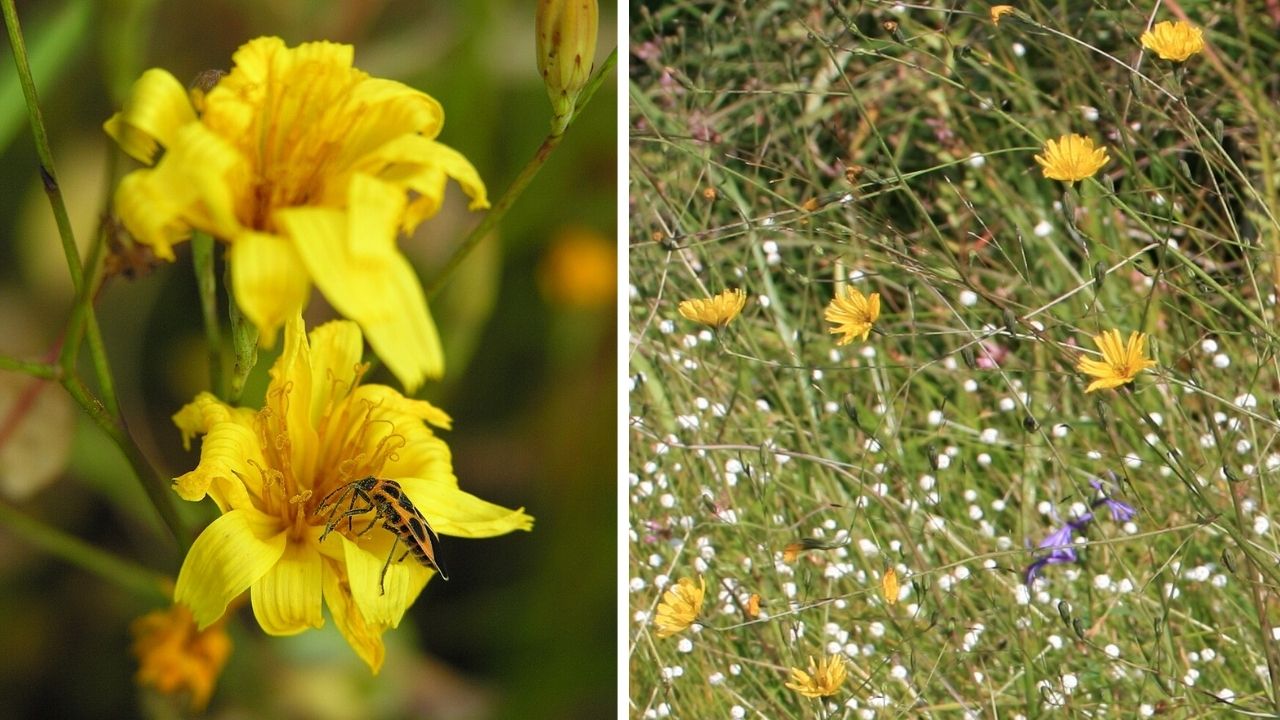
Hololeion is a fascinating group of herbaceous plants appreciated for its attractive foliage, upright growth, and distinctive flowers. Depending on the species and growing environment, Hololeion can bring a natural, meadow-like appearance to gardens while also fitting well into informal borders and wildlife-friendly planting areas. Successful cultivation begins with understanding the plant’s natural preferences, particularly its soil, moisture, light, and temperature requirements.
Although Hololeion is not usually considered a demanding plant, it performs best when its basic growing conditions are maintained consistently. Good drainage, adequate sunlight, moderate moisture, and fertile soil provide a strong foundation for healthy development. Gardeners who recreate these conditions are more likely to see vigorous foliage, stronger stems, and better flowering.
Choosing the Right Location for Hololeion
Selecting a suitable planting location is one of the most important steps in growing Hololeion successfully. A position with plenty of sunlight is generally ideal because good light encourages compact growth and supports healthy flowering. In cooler climates, the plant can tolerate a sunny position throughout much of the day, while in hotter regions, some protection from intense afternoon heat may help prevent excessive stress.
Choose an area with enough space for the plant to develop naturally without being crowded by larger plants. Good air circulation is also valuable because dense, stagnant growth can encourage fungal problems, particularly when leaves remain wet for long periods.
Before planting, observe the area after rainfall or watering. If water remains on the surface for extended periods, improve drainage before introducing Hololeion. Raised beds or slightly elevated planting areas can be particularly useful where garden soil is naturally heavy or poorly drained.
Preparing the Best Soil for Hololeion
Hololeion grows best in soil that is fertile, reasonably loose, and well drained. A balanced garden soil containing organic matter provides both nutrients and moisture retention without becoming excessively wet. Sandy loam or loamy soil is often a good choice because it allows roots to access oxygen while still holding enough moisture for steady growth.
If the existing soil is compacted, loosen it thoroughly before planting. Incorporating mature compost or well-decomposed organic matter can improve soil structure and provide a gradual supply of nutrients. Avoid adding excessive fresh manure because it can be too strong for young roots and may encourage unbalanced vegetative growth.
Soil preparation should extend several inches below the expected root zone. Breaking up compacted areas gives young roots an easier path for establishment and reduces the likelihood of water collecting around them.
How to Plant Hololeion Successfully
Hololeion can be established from seed or, depending on the species and available plant material, by dividing established plants. When growing from seed, prepare a fine, loose seedbed and sow the seeds shallowly. Seeds generally need appropriate moisture and suitable temperatures to germinate, so avoid burying them deeply.
Keep the growing medium consistently moist but never saturated during germination. Once seedlings emerge, provide sufficient light so they develop sturdy stems rather than becoming thin and stretched.
For nursery-grown plants or divisions, dig a hole slightly wider than the root system. Place the plant at approximately the same depth at which it was previously growing. Fill around the roots with prepared soil and gently firm it to remove large air pockets. Water thoroughly after planting to settle the soil around the roots.
If planting multiple Hololeion plants, leave enough space between them for mature growth and airflow. Overcrowding can reduce light penetration and create unnecessarily humid conditions around the foliage.
Providing the Right Amount of Sunlight
Light has a major influence on Hololeion’s overall appearance and flowering performance. A location receiving several hours of direct sunlight each day is generally preferable. Strong natural light helps the plant maintain healthy foliage and supports normal flower development.
If the plant receives too little light, growth may become weak or elongated. Flowering can also be reduced. On the other hand, plants exposed to extreme heat combined with intense sunlight may require protection, particularly when young or recently transplanted.
In warm climates, morning sun with light afternoon shade can provide a useful balance. In milder regions, full sun may be suitable for most of the growing season.
Watering Hololeion Correctly
Consistent watering is important while Hololeion is establishing itself. Newly planted specimens should not be allowed to dry out completely, as developing roots need reliable access to moisture. Water deeply enough to moisten the root zone rather than giving frequent, shallow amounts.
Once established, watering can usually be adjusted according to rainfall, soil type, and weather conditions. The surface of the soil can be allowed to dry slightly between waterings, provided the plant does not show signs of prolonged drought stress.
During hot or windy weather, plants may require additional water. Conversely, rainfall may eliminate the need for supplemental irrigation. Always check soil moisture before watering rather than following a rigid schedule.
Watering early in the day is generally preferable because leaves have more time to dry naturally. Directing water toward the soil rather than repeatedly wetting the foliage can also help maintain healthier plants.
Feeding and Fertilizing for Healthy Growth
Hololeion usually benefits from moderate nutrition rather than excessive fertilization. If the soil has been enriched with compost before planting, additional feeding may not be necessary immediately.
During active growth, a balanced fertilizer can be applied according to the product’s directions when plants appear to need additional nutrients. Excessive nitrogen should be avoided because it can encourage soft, leafy growth at the expense of flowers and overall plant strength.
Organic matter added as a light surface mulch can gradually improve soil quality. Compost also helps maintain moisture and supports beneficial soil organisms. The goal should be steady, balanced growth rather than forcing the plant to grow as quickly as possible.
Maintaining Healthy Hololeion Plants
Regular maintenance keeps Hololeion attractive and reduces common growing problems. Remove damaged, yellowing, or dead foliage when necessary, particularly if it has been affected by disease. Keeping the surrounding planting area reasonably clean also reduces hiding places for pests and improves airflow.
If stems become weak or crowded, inspect the plant’s growing conditions. Insufficient sunlight, excessive fertilizer, or overly rich and wet soil can sometimes contribute to weak growth.
A light layer of organic mulch around the plant can help stabilize soil moisture and suppress competing weeds. Keep mulch slightly away from the base of the stems to prevent prolonged moisture against the plant crown.
Propagating Hololeion from Seed
Growing Hololeion from seed can be an economical and rewarding way to produce new plants. Collect mature seeds when they have fully developed and are naturally ready for dispersal. Store seeds in a cool, dry location if they will not be sown immediately.
Prepare a suitable seed-starting medium and sow the seeds shallowly. Maintain even moisture and provide adequate light after germination. Seedlings should be handled carefully because their young roots can be easily disturbed.
Once seedlings have developed several healthy leaves and their root systems are sufficiently established, they can gradually be moved into larger containers or their permanent garden locations. Hardening young plants before outdoor planting helps them adjust to direct sunlight, wind, and changing temperatures.
Propagating Hololeion by Division
Division can be useful for established clumps when the particular Hololeion species produces suitable multiple growth points or crowns. The plant can be carefully lifted during an appropriate period of active or early growth, depending on local conditions.
Separate healthy sections while ensuring that each division has sufficient roots and viable shoots. Replant the divisions promptly at their original depth and water them thoroughly.
Avoid dividing plants during periods of extreme heat or drought because newly separated sections can struggle to establish. After division, maintain consistent moisture while new roots develop.
Managing Common Pests and Problems
Healthy Hololeion plants are generally better able to tolerate minor pest pressure, but gardeners should still inspect foliage regularly. Aphids and other small sap-feeding insects may occasionally gather around young shoots or tender leaves. A strong stream of water can sometimes dislodge small populations.
Persistent moisture, poor airflow, and overcrowding can increase the risk of fungal leaf problems. Improve ventilation, avoid unnecessary overhead watering, and remove severely affected plant material when appropriate.
Yellow leaves can have several causes, including excessive watering, poor drainage, nutrient imbalance, or natural aging. Instead of immediately adding fertilizer, examine the soil moisture and growing conditions first. Correcting the underlying issue is usually more effective than treating the visible symptom alone.
Seasonal Care for Hololeion
Hololeion’s care requirements change throughout the year. During spring, focus on establishing new plants, refreshing soil with organic matter, and monitoring emerging growth. This is also a useful time to divide suitable established plants.
Summer care centers on moisture management, weed control, and protection from extreme heat where necessary. Regular observation helps identify water stress or pest problems before they become serious.
In autumn, remove unhealthy plant material and allow healthy plants to complete their natural growth cycle. Depending on the species and climate, some stems may be left in place through winter to provide structure and shelter for small garden wildlife.
Winter care is generally focused on protecting vulnerable plants from prolonged freezing, excessive wetness, or severe exposure. Avoid keeping the soil unnecessarily saturated during cold periods.
Harvesting and Long-Term Maintenance
Hololeion is primarily grown for ornamental, ecological, or botanical interest rather than as a conventional garden crop. If plant material is collected for identification, propagation, or study, choose healthy sections and avoid removing excessive foliage from young plants.
Long-term maintenance is relatively straightforward when the plant is established in an appropriate location. Periodic division can prevent mature clumps from becoming overcrowded, while occasional soil improvement maintains growing conditions.
Observe the plant over several seasons to understand how it responds to local weather, sunlight, and soil moisture. Small adjustments to watering, spacing, and soil preparation can make a substantial difference to long-term performance.
Final Tips for Growing Healthy Hololeion
Growing Hololeion successfully comes down to providing the right foundation and avoiding extremes. Start with fertile, well-drained soil, choose a location with suitable sunlight, and provide consistent moisture while plants establish. Once mature, allow the soil to dry slightly between waterings and avoid excessive fertilizer or unnecessary disturbance.
Propagation from seed can produce new plants, while division may provide a faster method when suitable established clumps are available. Regular inspection, good airflow, sensible watering, and seasonal maintenance will help keep plants vigorous.
With thoughtful planting and simple ongoing care, Hololeion can become a durable and attractive addition to a suitable garden environment. The most successful approach is to work with the plant’s natural growing preferences rather than forcing rapid growth, creating conditions where healthy roots, foliage, and flowers can develop naturally.
