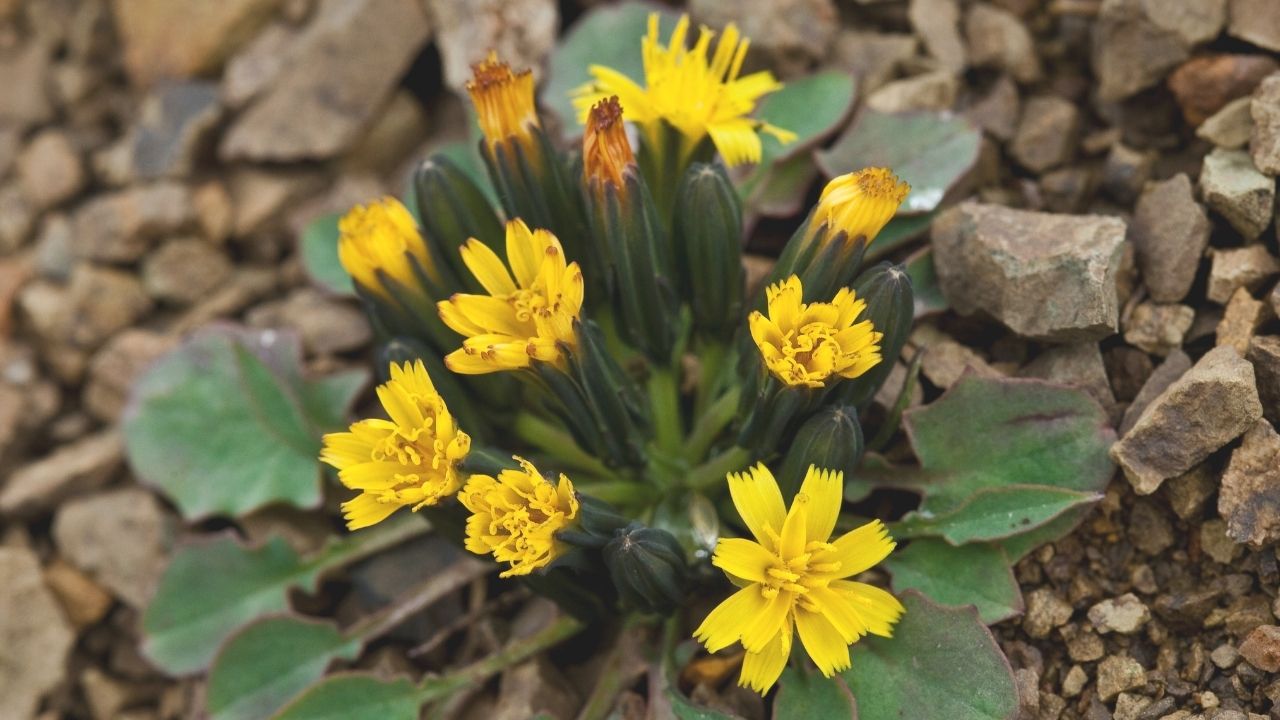
Askellia is a lesser-known plant that can be an interesting addition to a home garden when its natural growing requirements are understood. Like many plants that are not commonly cultivated, successful growth depends more on providing suitable conditions than on following a complicated maintenance routine. Before planting Askellia, it is useful to learn about its preferred environment, growth habit, soil requirements, moisture needs, and seasonal behavior.
Because Askellia may be unfamiliar to many home gardeners, avoid treating it exactly like common vegetables or ornamental plants. Start with a small planting area or container so you can observe how it responds to your local climate. Once established, consistent care, appropriate watering, and good drainage can help maintain healthy growth throughout the growing season.
Choosing the Right Location for Askellia
The planting location plays an important role in the overall health of Askellia. Choose an area that receives plenty of natural light and has good air circulation. A location with adequate sunlight generally encourages stronger growth, while crowded or shaded conditions can lead to weak, stretched plants.
If you are growing Askellia in a container, place it somewhere where it can receive sufficient daylight without being exposed to unnecessarily harsh conditions. Morning sunlight is particularly useful because it provides bright light while being less intense than the hottest afternoon sun. In warmer climates, some protection from extreme afternoon heat may help prevent unnecessary stress.
Good air movement is also valuable. Avoid placing plants directly against walls or in tightly enclosed corners where moisture can remain around the foliage for long periods.
Preparing the Best Soil for Askellia
Askellia should be planted in soil that drains efficiently while still retaining enough moisture to support healthy roots. Heavy, compacted soil can restrict root development and may allow water to remain around the root zone for too long. Poor drainage is one of the most common problems affecting plants that are sensitive to consistently wet conditions.
A loose garden soil containing organic matter is a practical starting point. Compost or well-decomposed organic material can improve soil structure and help create a more favorable environment for roots. If the soil is naturally heavy, incorporating suitable organic material can improve drainage and aeration.
For container growing, use a quality potting mixture rather than ordinary garden soil alone. The container should always have drainage holes underneath. Before planting, check that excess water can escape freely rather than collecting at the bottom.
Planting Askellia Successfully
Plant Askellia when environmental conditions are suitable for active growth. The exact planting season can vary according to the local climate, so avoid planting during periods of extreme heat, severe cold, or persistent heavy rainfall unless the plant is naturally adapted to those conditions.
Prepare the soil before planting by removing large stones, weeds, and compacted material. Create a planting hole large enough to accommodate the root system without bending or compressing it. Position the plant at approximately the same depth at which it was previously growing.
After planting, gently firm the soil around the roots and water the area thoroughly. The first watering helps settle the soil and removes large air pockets around the roots. Avoid repeatedly flooding the planting area afterward.
Providing the Right Amount of Sunlight
Light is essential for healthy plant development because it supports photosynthesis and overall energy production. Askellia should receive adequate sunlight according to its natural growing requirements. A bright location with several hours of direct or filtered sunlight is generally more suitable than a deeply shaded area.
Watch the plant after moving it into a new location. If growth becomes unusually thin, weak, or stretched, insufficient light may be contributing to the problem. On the other hand, if leaves begin showing signs of severe heat stress, the plant may benefit from protection during the hottest part of the day.
Gradual adjustment is useful when moving a container-grown plant from a low-light environment into stronger sunlight. Sudden exposure to intense sun can cause stress, particularly when the plant has not previously experienced those conditions.
Watering Askellia the Right Way
Watering should be based on soil moisture rather than a rigid daily schedule. Before watering, check the upper portion of the soil. If it still feels noticeably moist, additional water may not be necessary. When the surface and surrounding root zone have begun to dry, water thoroughly.
The objective is to moisten the root area without leaving the plant sitting in stagnant water. During warm or dry weather, Askellia may require more frequent watering because moisture evaporates more quickly. During cool or rainy periods, watering should usually be reduced.
Container-grown plants often dry out faster than plants growing directly in the ground. Check containers regularly, particularly during hot weather. Always allow excess water to drain away.
Feeding and Fertilizing Askellia
Healthy soil can provide many of the nutrients a plant needs, but additional feeding may sometimes support continued growth. A balanced, mild fertilizer can be used during active growth when necessary. Avoid applying excessive fertilizer because more nutrients do not automatically produce healthier plants.
Too much fertilizer can damage roots and encourage soft, excessive growth. Follow the instructions of the fertilizer being used and avoid repeatedly feeding a plant that is already growing well.
Organic compost can also be incorporated into the soil as part of general soil maintenance. Rather than relying entirely on frequent fertilizer applications, maintaining good soil quality provides a more sustainable foundation for long-term growth.
Propagating Askellia at Home
Propagation methods depend on the particular Askellia species and the characteristics of the plant you are growing. If viable seeds are available, seed propagation may be the simplest approach. Use fresh, healthy planting material and provide suitable moisture, warmth, light, and drainage during germination.
If the plant can be propagated vegetatively, methods such as division or cuttings may sometimes be possible, depending on its growth habit. Propagation should always begin with healthy plant material free from visible disease or serious damage.
Seeds should not be buried excessively deep. A light covering of suitable growing medium is often preferable for small seeds. Keep the medium evenly moist rather than saturated and provide bright, indirect light while young seedlings become established.
Caring for Young Askellia Plants
Young plants require more attention than established specimens. Their root systems are smaller, making them more vulnerable to drying out and environmental stress. Check moisture levels regularly and avoid allowing newly planted seedlings to remain completely dry for extended periods.
At the same time, excessive watering can be equally problematic. Young roots need oxygen as well as moisture, so waterlogged soil can interfere with healthy development.
Protect seedlings from aggressive weeds, strong winds, and sudden environmental changes. Once the plants become established and begin producing consistent new growth, they generally become easier to maintain.
Pruning and General Maintenance
Regular observation is often more important than heavy pruning. Remove damaged, dead, or unhealthy plant material when necessary to keep the plant tidy and encourage good air circulation. Use clean cutting tools when pruning to reduce the chance of transferring problems between plants.
Avoid removing large amounts of healthy growth without a clear reason. Excessive pruning can weaken a plant and reduce its ability to produce energy.
Keep the area around Askellia reasonably free from weeds. Weeds compete for water, nutrients, light, and growing space, particularly while the plant is young.
Managing Pests and Plant Problems
Regular inspection makes it easier to identify pest or disease problems before they become serious. Examine leaves, stems, and new growth for unusual discoloration, holes, distorted growth, sticky residue, or visible insects.
Many problems can be prevented through appropriate spacing, good air circulation, proper watering, and healthy soil. Avoid keeping foliage constantly wet, particularly when humidity is high.
If a problem appears, first identify the likely cause before applying any treatment. Yellow leaves, for example, can result from several different factors, including excessive moisture, poor nutrition, insufficient light, or natural aging. Correcting the underlying growing condition is often more useful than immediately applying a product.
Growing Askellia in Containers
Container growing allows gardeners to control soil quality and move plants when environmental conditions change. Select a container that provides enough room for root development and has adequate drainage holes.
Do not choose an unnecessarily large container for a small plant because excess soil can remain wet for a long time after watering. As the root system develops, the plant can be moved into a larger container when necessary.
Container soil should be monitored more frequently than garden soil because it can lose moisture and nutrients faster. Rotate the container occasionally if the plant receives uneven light from one direction.
Seasonal Askellia Care
Askellia care should change with the seasons. During periods of active growth, provide adequate light, moisture, and nutrients while monitoring new growth regularly. Warmer weather may increase water requirements, while cooler weather usually slows growth and reduces moisture consumption.
During rainy periods, avoid adding unnecessary water. Ensure that containers and garden beds drain properly. If temperatures become unusually high, protecting the plant from severe afternoon heat may help reduce stress.
In colder climates, container-grown plants may need additional protection when temperatures fall significantly. Understanding the natural seasonal cycle of the particular Askellia species will help determine when growth should be encouraged and when the plant should simply be maintained.
Common Mistakes to Avoid When Growing Askellia
One of the biggest mistakes is overwatering. Gardeners often assume that frequent watering automatically produces healthier plants, but constantly wet soil can create serious root problems. Another common mistake is planting in compacted soil with poor drainage.
Insufficient light can also result in weak growth, while excessive fertilizer can damage roots or produce unbalanced development. Crowding plants too closely together may reduce air circulation and increase the likelihood of foliage problems.
It is also important not to make several major changes at once. If a plant appears stressed, evaluate its light, soil moisture, drainage, temperature, and nutrition individually. Making gradual adjustments makes it easier to determine what the plant actually needs.
Maintaining Healthy Askellia Throughout the Year
Year-round care is primarily about consistency. Inspect the plant regularly, monitor soil moisture, maintain suitable light, and remove unhealthy growth when needed. Small problems are generally easier to manage when they are discovered early.
Keep the soil healthy with appropriate organic matter and avoid unnecessary disturbance of the root zone. If growing in containers, periodically inspect drainage holes and consider refreshing the growing medium when it becomes compacted or depleted.
A healthy Askellia plant should be approached as a living system rather than something that requires a fixed care schedule. Weather, soil conditions, plant age, and growing location can all influence its needs.
Final Tips for Growing Askellia Successfully
Growing Askellia at home can be a rewarding project when attention is given to its basic environmental requirements. Start with well-draining soil, provide suitable sunlight, water according to soil moisture, and avoid extremes in feeding or environmental conditions.
Propagation is best approached patiently, using healthy planting material and giving young plants stable conditions while they establish their roots. Throughout the year, regular observation is the most useful habit a gardener can develop.
Rather than trying to force rapid growth, focus on creating a stable growing environment. With suitable soil, appropriate light, careful watering, good drainage, and seasonal maintenance, Askellia can be given the conditions it needs to establish and remain healthy in a home garden.
