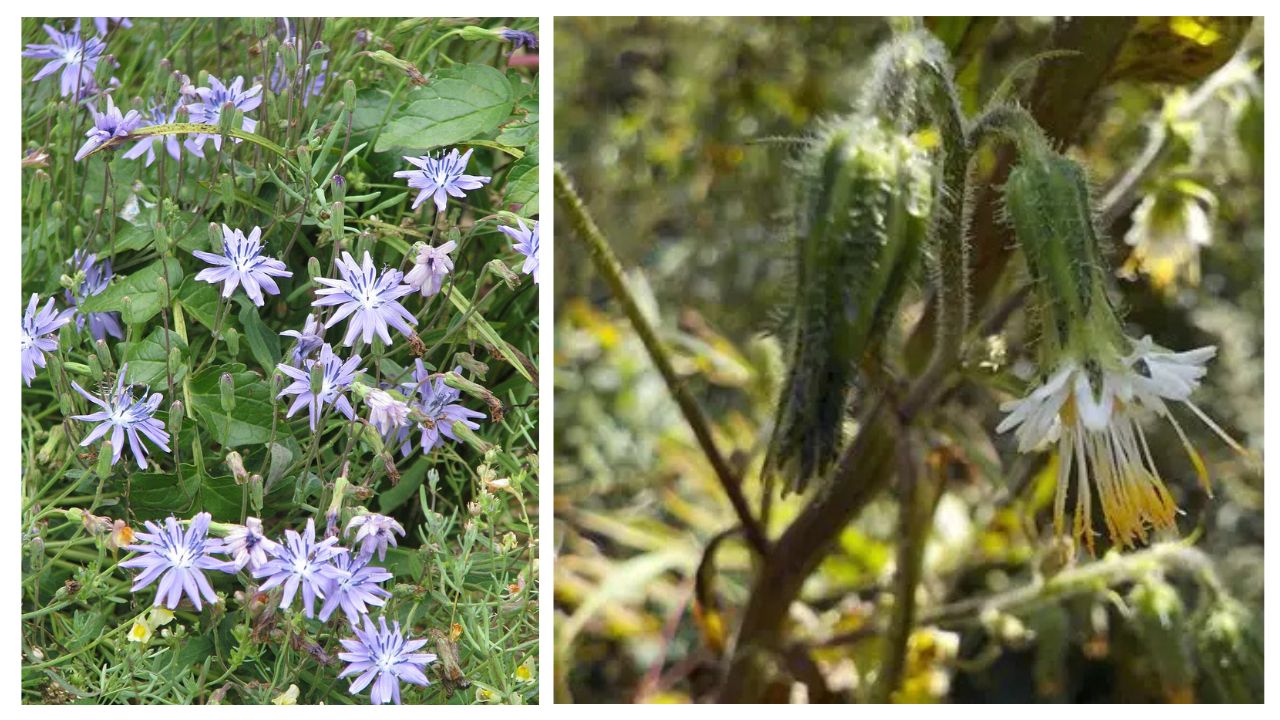
Melanoseris is a fascinating group of herbaceous plants valued for its distinctive foliage and natural appearance. Like many plants in the daisy family, its growth is strongly influenced by sunlight, soil drainage, moisture, temperature, and regular maintenance. Although Melanoseris is not commonly grown in home gardens compared with familiar leafy vegetables and ornamental plants, gardeners interested in unusual species can successfully cultivate it when its basic growing requirements are understood.
A successful Melanoseris growing routine begins with choosing an appropriate planting location and providing conditions that resemble its natural environment. Good drainage is particularly important because constantly wet soil can weaken the roots and encourage fungal problems. With suitable soil, adequate light, moderate watering, and occasional feeding, plants can establish healthy roots and produce vigorous foliage throughout the growing season.
Choosing the Right Location for Melanoseris
Select a location where the plant can receive plenty of natural light while also having good air circulation. A spot with several hours of sunlight each day is generally suitable for healthy development. In particularly hot climates, some protection from intense afternoon sunlight can help prevent excessive stress, especially when plants are young.
Melanoseris should not be planted in an area where water regularly collects after rain or irrigation. Raised beds, containers with drainage holes, or naturally well-drained garden areas can be useful options. Before planting, remove competing weeds and loosen the soil so that young roots can spread easily.
If growing Melanoseris in a container, choose a pot that is large enough to accommodate root development. The container should always have drainage holes at the bottom, because excess water needs an easy route out of the growing medium.
Preparing the Soil for Healthy Growth
Melanoseris performs best when planted in loose, fertile soil that drains efficiently. Heavy compacted soil can restrict root growth and retain too much moisture, creating unfavorable conditions around the roots. Improving the soil before planting can make a noticeable difference in establishment.
Mixing mature organic matter into ordinary garden soil can improve structure, moisture retention, and nutrient availability. Compost or well-decomposed organic material can be incorporated into the planting area before sowing or transplanting. Avoid using large amounts of fresh manure because it can be too strong for young roots.
A slightly acidic to neutral soil environment is generally a practical target for cultivation. The most important consideration, however, is balanced soil structure. The soil should hold enough moisture for the plant to grow while allowing excess water to drain away quickly.
Planting Melanoseris from Seed
Growing Melanoseris from seed is one of the most practical methods when viable seeds are available. Begin by preparing a fine, loose seed-starting medium. Seeds can be sown in small containers or directly into a prepared garden bed when environmental conditions are suitable.
Scatter the seeds lightly across the surface and cover them with only a thin layer of fine growing medium. Avoid planting them too deeply because small seeds may struggle to emerge through heavy soil. Water gently after sowing so that the seeds remain in position.
Keep the growing medium consistently but moderately moist during germination. A gentle watering method is preferable because strong streams of water can disturb newly planted seeds. Once seedlings emerge and develop several healthy leaves, they can gradually be moved into their permanent growing positions if they were started indoors or in trays.
Watering Melanoseris Correctly
Water management is one of the most important parts of Melanoseris care. Newly planted seeds and young seedlings need more consistent moisture because their developing roots can dry out quickly. However, the soil should never remain saturated for long periods.
As the plant becomes established, allow the upper layer of soil to dry slightly between waterings. Check the soil with your finger before watering rather than following a rigid daily schedule. Weather, soil type, container size, and sunlight all influence how quickly moisture disappears.
During hot or dry periods, plants may need more frequent watering. In cooler or rainy conditions, watering should be reduced. Early morning is usually a convenient time to water because it gives excess moisture on the foliage an opportunity to dry during the day.
Providing the Right Amount of Sunlight
Adequate sunlight encourages strong stems, healthy foliage, and balanced development. Place Melanoseris where it receives several hours of bright light each day. Plants grown with insufficient light may become weak or stretched as they attempt to reach a stronger light source.
In areas with very intense summer heat, morning sunlight combined with some afternoon protection can help reduce heat stress. Watch the plant carefully for signs of excessive exposure, such as drooping leaves despite adequate soil moisture or visible leaf scorching.
Container-grown plants can be moved more easily when seasonal sunlight changes. This flexibility can be especially useful in climates where summer temperatures become considerably higher than those experienced during spring.
Feeding Melanoseris for Strong Growth
Melanoseris generally benefits from fertile soil rather than constant heavy fertilization. Incorporating compost before planting provides a useful foundation of nutrients. Once plants are established, a mild balanced fertilizer can be applied when growth appears slow or the soil is relatively poor.
Avoid excessive fertilizer because rapid, soft growth is not always healthier growth. Too much nitrogen can encourage abundant foliage while creating an imbalance in overall plant development. Follow the recommended application rate of the chosen fertilizer and water afterward if appropriate.
Organic matter can also be added as a light surface mulch around established plants. Keep mulch slightly away from the base of the stems to prevent excessive moisture from accumulating directly against them.
Maintaining Healthy Melanoseris Plants
Regular maintenance helps Melanoseris remain vigorous throughout the growing period. Remove weeds whenever they appear because weeds compete for water, nutrients, light, and growing space. Young plants are particularly vulnerable to competition.
Inspect foliage regularly for discoloration, holes, unusual spots, or signs of insects. Early detection makes problems easier to manage. Good spacing and airflow can also reduce the likelihood of fungal issues, particularly in humid conditions.
If leaves become damaged or old, removing them carefully can improve the plant’s appearance and reduce the amount of decaying material around the growing area. Always use clean cutting tools when pruning or removing affected plant material.
Protecting Melanoseris from Pests and Diseases
Healthy plants are naturally better equipped to withstand minor pest pressure. Providing suitable light, drainage, nutrition, and airflow should therefore be the first priority. Avoid keeping the soil excessively wet, as poor drainage can contribute to root problems.
Common garden pests such as aphids, caterpillars, or other leaf-feeding insects may occasionally affect susceptible plants. Inspect the undersides of leaves as well as new growth because pests can remain hidden in these areas.
If an infestation is discovered, remove affected portions when practical and address the underlying growing conditions. Avoid unnecessary chemical treatments, particularly when the problem is minor. Consistent observation and good garden hygiene are often enough to prevent small issues from becoming serious.
Growing Melanoseris in Containers
Container cultivation can be useful for gardeners who want greater control over soil, moisture, and location. Choose a container with sufficient depth and drainage holes. Fill it with a quality growing mixture that drains well while retaining moderate moisture.
Container soil dries faster than garden soil, especially during hot weather, so moisture should be checked regularly. At the same time, avoid watering automatically every day if the soil is still damp.
As the plant grows, make sure neighboring plants do not crowd it. Adequate space allows better airflow and gives the roots access to available moisture and nutrients. If roots eventually become crowded, moving the plant into a larger container may help maintain healthy growth.
Seasonal Care for Melanoseris
Melanoseris care should be adjusted according to seasonal conditions. During active growth, plants generally benefit from adequate light, regular moisture, and occasional nutrition. In periods of heavy rain, reduce supplemental watering and make sure drainage remains unobstructed.
During hot weather, monitor soil moisture more frequently and provide protection from extreme afternoon heat when necessary. A layer of organic mulch can help reduce rapid moisture loss while keeping the root zone more stable.
Cooler periods may naturally slow growth. During these times, avoid excessive feeding or watering. Instead, concentrate on maintaining suitable soil conditions and protecting the plant from prolonged unfavorable weather.
Troubleshooting Common Growing Problems
Yellowing leaves can have several causes, including excessive watering, poor drainage, nutrient deficiencies, or natural aging. Check the soil before assuming that fertilizer is needed. If it remains wet for long periods, improving drainage may be more beneficial than adding nutrients.
Wilting can occur because of both underwatering and overwatering. Dry soil suggests the plant needs moisture, while wet soil combined with persistent wilting may indicate root stress. Checking the root environment is therefore essential.
Slow growth may result from insufficient light, poor soil, temperature stress, or competition from weeds. Correcting the growing conditions gradually usually produces better results than making several major changes at once.
Harvesting and Long-Term Care
The appropriate time for harvesting or collecting plant material depends on the particular Melanoseris species and how it is being cultivated. If the plant is being grown primarily for its foliage or general garden interest, harvesting should be conservative so that enough healthy leaves remain to support continued growth.
Use clean tools when removing plant material and avoid damaging the central growing points unnecessarily. After harvesting, continue providing appropriate moisture and light so the plant can recover.
For long-term cultivation, save healthy seeds only when the plant has been correctly identified and the seeds are mature. Allow seed heads to develop fully before collecting them, then store viable seeds in a cool, dry location until the next suitable planting period.
Final Tips for Growing Melanoseris Successfully
Growing Melanoseris successfully is mainly about maintaining balance. Provide fertile but well-drained soil, adequate sunlight, moderate and consistent moisture, and enough space for healthy airflow. Avoid both extremes of care, particularly excessive watering and overfertilization.
Start with healthy seeds or planting material, give young plants careful attention during establishment, and adjust watering according to weather rather than following a fixed routine. Regular inspection will help you identify pest, disease, or nutritional problems before they become severe.
With patience and the right growing environment, Melanoseris can develop into a healthy and attractive plant. Paying attention to the basic needs of the plant throughout each stage of growth is the best way to encourage strong establishment, healthy foliage, and reliable long-term performance in the garden.
