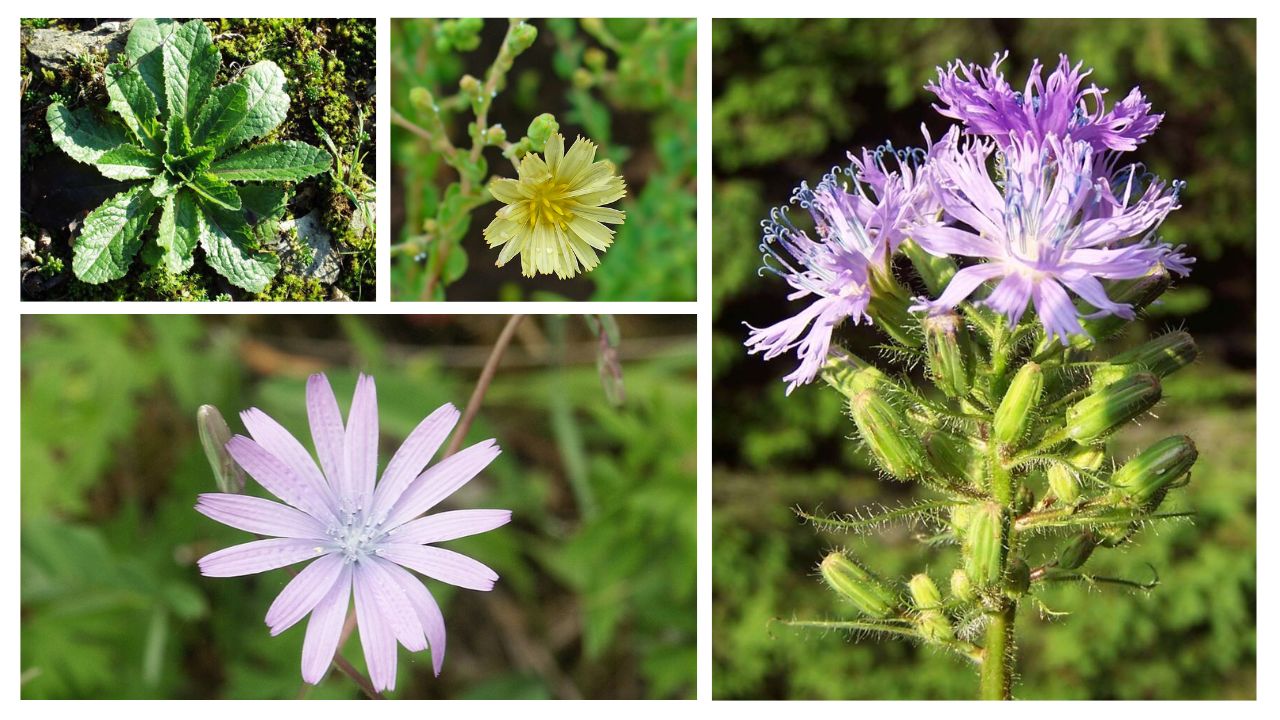
Lactucinae is a botanical group within the lettuce family, Asteraceae, and includes several herbaceous plants related to lettuce and other leafy species. Depending on the particular plant being grown, Lactucinae members can differ in size, leaf shape, flowering habit, and growing requirements. Many are naturally adapted to temperate environments and can be interesting additions to a home garden, especially for gardeners who enjoy growing unusual leafy plants.
Before planting, it is helpful to identify the exact Lactucinae species you have. Some species behave like annuals while others may complete their life cycle over a longer period. Understanding the plant’s natural habitat can make it much easier to provide suitable soil, moisture, sunlight, and seasonal care.
Choosing the Right Location
A suitable growing location is one of the most important factors for healthy Lactucinae plants. Choose an area that receives several hours of sunlight each day while also offering some protection from intense afternoon heat in warmer climates. Morning sunlight is particularly useful because it provides good light without exposing young plants to excessive heat.
A location with good air circulation is also beneficial. Avoid planting in a cramped area where leaves remain wet for long periods after watering or rainfall. Good airflow helps keep foliage healthier and reduces the likelihood of fungal problems.
If you are growing Lactucinae in containers, place them somewhere bright and convenient for monitoring. Containers can be moved when temperatures become too hot or when plants need additional sunlight.
Preparing the Best Soil
Lactucinae generally performs best in fertile, loose, well-draining soil. The growing medium should retain enough moisture to prevent plants from drying out but should never remain waterlogged. Heavy soil that holds excess water can restrict root development and increase the risk of root problems.
Before planting, loosen the soil to a depth of around 20 to 30 centimeters. Remove stones, weeds, and large pieces of debris. Mixing mature compost or well-rotted organic matter into the soil can improve both fertility and structure.
For container cultivation, use a quality potting mixture that drains freely. A combination of garden soil, compost, and a material that improves drainage can create a useful growing medium. Make sure the container has several drainage holes at the bottom.
Planting Lactucinae Successfully
Lactucinae can generally be started from seed when viable seed is available. Sow seeds in prepared soil and cover them lightly rather than planting them deeply. Small seeds often require light, moisture, and suitable temperatures to germinate successfully.
Keep the soil consistently moist during germination. A gentle watering method is preferable because strong streams of water can wash seeds away or bury them too deeply.
Once seedlings emerge, provide plenty of light and allow adequate space between plants. Crowded seedlings can become weak and stretched as they compete for light and nutrients. If several seedlings emerge close together, carefully thin them once they are established.
For transplanting, move young plants carefully while disturbing the roots as little as possible. Water them after transplanting to help settle the soil around the roots.
Providing the Right Amount of Sunlight
Light requirements can vary between individual Lactucinae species, but bright conditions are generally important for strong growth. A few hours of direct sunlight combined with bright ambient light can support healthy foliage.
In mild weather, plants can usually tolerate more direct sun. During very hot weather, however, excessive afternoon sunlight may cause leaves to wilt or become stressed. If your plants show signs of heat stress, temporary afternoon shade can help.
Insufficient light can result in weak stems, pale foliage, and slow development. If growing indoors, place containers close to a bright window where plants receive substantial natural light.
Watering Lactucinae Properly
Consistent watering is essential, particularly while seeds are germinating and young plants are becoming established. The goal is to keep the soil lightly and evenly moist without saturating it.
Check the top layer of soil regularly. If it feels slightly dry, water thoroughly until excess moisture begins to drain from the container or planting area. During cooler or rainy periods, watering frequency may need to be reduced.
Avoid watering automatically according to a strict daily schedule. Weather, soil type, container size, plant maturity, and sunlight all influence how quickly moisture disappears.
Watering at the base of the plant is often preferable to repeatedly wetting the leaves. Morning watering is especially useful because any moisture that reaches the foliage has more opportunity to dry during the day.
Feeding for Healthy Growth
Lactucinae plants can benefit from fertile soil, particularly when grown repeatedly in the same container or garden bed. Compost provides a gentle source of nutrients and can be incorporated into the soil before planting.
If additional feeding is necessary, use a balanced fertilizer at a modest rate according to the product’s instructions. Avoid excessive fertilization because too much nitrogen can encourage soft, overly vigorous foliage while creating an imbalance in plant growth.
Container-grown plants may require nutrients more frequently than plants growing in the ground because repeated watering can gradually wash nutrients from the potting medium. However, feeding should always be adjusted according to the plant’s appearance and growth rate.
Maintaining Healthy Plants
Regular maintenance helps Lactucinae remain vigorous throughout the growing season. Inspect plants every few days for yellowing leaves, damaged foliage, unusual spots, or signs of insect activity. Removing severely damaged leaves can improve the appearance of the plant and reduce potential sources of problems.
Keep weeds under control because they compete with plants for water, light, nutrients, and growing space. A thin layer of organic mulch around established plants can help suppress weeds while reducing moisture loss.
Do not place mulch directly against the plant’s crown or stem. Leaving a small gap improves airflow and helps prevent excessive moisture from collecting around the base.
Managing Pests and Diseases
Like other leafy plants, Lactucinae may occasionally experience problems caused by insects or unfavorable growing conditions. Aphids, caterpillars, slugs, and other common garden pests may feed on tender foliage.
Inspect the undersides of leaves regularly because some pests are easier to find there. Small infestations can sometimes be managed by manually removing pests or washing foliage gently with water.
Good cultural practices are equally important. Provide adequate spacing, avoid excessive watering, and maintain airflow around plants. If diseased leaves appear, remove them promptly and avoid leaving fallen plant material around the base.
Healthy plants growing in appropriate conditions are generally better able to tolerate minor pest pressure.
Growing Lactucinae in Containers
Container growing is a practical option when garden space is limited. Select a pot large enough to support the expected mature size of the particular species. A container that is too small can dry out rapidly and restrict root development.
Use fresh, well-draining growing medium and ensure the pot has drainage holes. Place the container in a bright location and monitor moisture more frequently than you would for plants growing in the ground.
Containers also make it easier to move plants when temperatures become extreme. During particularly hot periods, relocating them to a site with morning sun and afternoon protection can reduce stress.
Seasonal Care and Temperature Management
Seasonal conditions can significantly influence Lactucinae growth. Cool to moderate temperatures are often more favorable for leafy development, while excessive heat can encourage rapid flowering or cause plants to become stressed.
During hot weather, maintain consistent soil moisture and provide afternoon shade when necessary. During rainy periods, reduce supplemental watering and ensure that excess water can drain freely.
As temperatures become cooler, growth may slow naturally. Protecting containers from severe temperature fluctuations can help extend the growing period where appropriate.
Propagation and Seed Collection
Propagation from seed is generally the most practical approach for many Lactucinae plants. Allowing mature plants to flower can provide an opportunity to collect seed, provided the particular species produces viable seed and the gardener wants to continue the plant’s life cycle.
Let seed heads mature fully before collecting them. Mature seeds are generally easier to separate and store once they have dried. Collect them during dry weather and keep them in a cool, dry place in a clearly labeled container.
Because different related species can have different reproductive characteristics, identifying the species before collecting and storing seed is important.
Common Growing Problems
Several common problems can usually be traced back to unsuitable growing conditions. Yellow leaves may indicate excessive moisture, poor drainage, nutrient problems, or natural aging. Wilting can result from both underwatering and root stress caused by overly wet soil.
Long, weak growth often indicates insufficient light. Slow growth may be associated with cool temperatures, poor soil fertility, root restriction, or inconsistent watering.
Instead of immediately adding fertilizer or water when a problem appears, examine the overall growing conditions first. Checking soil moisture, drainage, sunlight, temperature, and root space can help identify the actual cause.
Harvesting and General Use
The appropriate harvesting method depends on the exact Lactucinae species being grown. If the plant is being cultivated primarily for foliage, young or mature leaves may be collected when they reach a useful size, provided the species is known to be suitable for the intended use.
Never assume that an unfamiliar Lactucinae plant is edible simply because it is related to lettuce. Botanical relatives can have very different properties, and correct identification is essential before consuming any plant material.
For ornamental or botanical cultivation, harvesting may simply involve removing damaged leaves while allowing the plant to continue growing and eventually flower.
Final Tips for Growing Lactucinae
Growing Lactucinae successfully begins with identifying the particular species and then matching its natural preferences as closely as possible. Start with fertile, well-draining soil, provide bright light, maintain steady moisture, and avoid conditions that leave the roots constantly wet.
Regular observation is more valuable than following a rigid care schedule. Check the soil before watering, watch how the plant responds to sunlight and temperature, and adjust care as the seasons change.
With suitable soil, good drainage, adequate light, and attentive maintenance, Lactucinae can become an interesting addition to a home garden. Whether grown in a garden bed or container, giving the plant stable conditions from the beginning will provide the best foundation for healthy, sustained growth.
