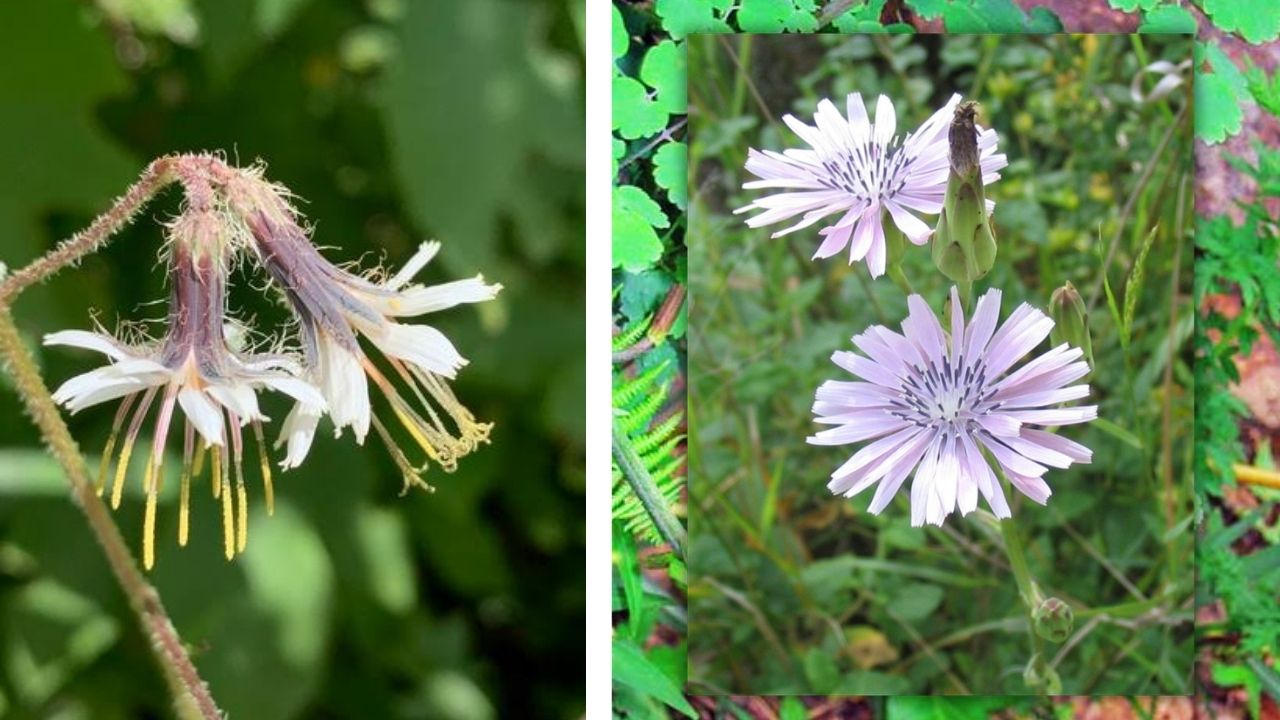
Notoseris is a fascinating group of flowering plants that can be an interesting addition to a garden when grown under suitable conditions. Like many plants in the daisy family, Notoseris species can have attractive foliage and delicate flowers, while their relatively simple growth requirements make them appealing to gardeners who enjoy growing less-common plants. Success largely depends on providing well-drained soil, adequate sunlight, sensible watering, and conditions that match the species you are growing.
Because Notoseris includes different species with somewhat different natural habitats, exact care requirements can vary. Before planting, it is useful to identify the particular species and understand whether it naturally grows in dry, cool, mountainous, or temperate environments. Once its basic needs are understood, establishing and maintaining the plant becomes much easier.
Choosing the Right Location for Notoseris
Selecting a suitable growing location is one of the most important steps. Notoseris generally benefits from a bright position with plenty of natural light. A location receiving several hours of sunlight each day can encourage compact growth and support healthy flowering. In areas with extremely hot summers, however, some protection from intense afternoon heat may help prevent stress.
Good air circulation is equally important. Avoid planting in a cramped location where leaves remain wet for long periods after watering or rainfall. A site with gentle airflow can reduce excessive humidity around the foliage and help maintain healthier plants.
Container growing can also be considered when garden conditions are unsuitable. A pot makes it easier to control soil quality, drainage, and moisture while also allowing the plant to be moved if weather conditions become unfavorable.
Preparing the Soil for Healthy Growth
Notoseris generally performs best in soil that drains efficiently. Constantly wet soil can create unfavorable conditions around the roots and may eventually lead to root problems. Before planting, loosen compacted ground and improve its structure if necessary.
A practical soil mixture can include ordinary garden soil combined with mature compost and a coarse material that improves drainage. The goal is to create a medium that retains enough moisture for the plant while allowing excess water to escape quickly.
Extremely heavy clay soil may need additional organic matter and drainage amendments. If the soil is already loose and well drained, major modification may not be necessary. Avoid adding excessive fertilizer or rich organic material simply to make the soil highly fertile, because balanced growth is usually more desirable than weak, overly soft growth.
Planting Notoseris Successfully
Planting is easiest when the weather is mild and the plant is not exposed to severe heat or freezing conditions. If growing from a nursery plant, prepare a hole slightly wider than the root system. Place the plant at approximately the same depth at which it was previously growing.
After positioning the plant, gently fill the surrounding space with soil and press lightly to eliminate large air pockets. Water thoroughly immediately after planting so that the soil settles around the roots.
Spacing depends on the particular species and its mature size. Give individual plants enough room for their foliage to spread without becoming crowded. Proper spacing improves air circulation and gives roots sufficient access to moisture and nutrients.
Watering Requirements for Notoseris
Watering should be adjusted according to the soil, weather, and growth stage rather than following a rigid daily schedule. Newly planted Notoseris usually needs more consistent moisture while its roots become established. Once established, watering can generally become less frequent if the plant is adapted to relatively dry conditions.
Check the soil before watering. If the upper layer has begun to dry, provide a thorough watering around the root zone. Avoid repeatedly giving tiny amounts of water because shallow watering can encourage a weak root system.
During periods of frequent rain, additional irrigation may not be necessary. In contrast, prolonged hot and dry weather can increase the plant’s water requirements. Container-grown plants usually dry out faster than plants growing directly in the ground, so they should be monitored more closely.
Providing the Right Amount of Sunlight
Light plays an important role in maintaining strong growth and encouraging flowering. A bright location with several hours of direct sunlight is often suitable, although the ideal exposure depends on the species and local climate.
If the plant receives too little light, it may become elongated, weak, or produce fewer flowers. On the other hand, extremely intense heat combined with strong afternoon sunlight can cause stress in climates where the species is not naturally adapted to such conditions.
Gardeners in hot regions can experiment with morning sun and lighter afternoon protection. In cooler climates, a more open sunny position may be preferable.
Feeding and Fertilizing Notoseris
Notoseris usually does not require an aggressive feeding program. If planted in reasonably fertile soil containing organic matter, the plant may grow satisfactorily without frequent fertilizer applications.
A light application of a balanced fertilizer during active growth can be useful when the soil is poor. Compost or another well-aged organic amendment can also provide gradual nutritional support.
Avoid excessive nitrogen because it can encourage abundant leafy growth at the expense of flowering. If the plant is growing vigorously and producing healthy foliage, additional fertilizer may not be necessary.
Propagating Notoseris
Propagation methods can vary according to the species, but seed propagation is one of the most useful approaches for gardeners interested in growing new plants. Fresh, viable seeds generally offer the best chance of successful germination.
Sow seeds in a clean, well-draining growing medium and cover them only lightly if the species requires light for germination. Keep the medium evenly moist without making it saturated. Place the container somewhere bright and provide suitable temperatures for germination.
Once seedlings develop several true leaves and are large enough to handle, they can be carefully transplanted into individual containers or their permanent growing locations.
Some species may also be capable of vegetative propagation, although this should not be assumed for every Notoseris. When attempting division or other methods, use healthy, established plant material and minimize root disturbance.
Managing Weeds and General Maintenance
Regular maintenance keeps Notoseris plants healthier and prevents competition for water and nutrients. Remove weeds growing close to the plant, especially during the early establishment period.
A thin layer of organic mulch can help conserve soil moisture and reduce weed growth. Keep mulch slightly away from the plant’s crown or stem to prevent excessive moisture from accumulating directly around the base.
Remove damaged or dead plant material when necessary. Cleaning the growing area also makes it easier to notice pest activity, fungal problems, or changes in plant health before they become serious.
Protecting Notoseris From Pests and Diseases
Healthy plants growing under suitable conditions are generally better able to tolerate occasional pest pressure. Aphids and other small sap-feeding insects may sometimes appear on young shoots or flower growth.
Inspect leaves and stems regularly. Early detection makes pest management much easier. Encourage beneficial insects and maintain good garden hygiene rather than relying immediately on harsh treatments.
Excessive moisture, poor drainage, and inadequate airflow can increase the likelihood of fungal problems. Watering near the soil instead of repeatedly wetting the foliage can help reduce unnecessary leaf moisture. If diseased plant material appears, remove affected portions carefully and avoid placing them in compost unless the composting system can reliably destroy pathogens.
Seasonal Care for Notoseris
Seasonal maintenance should follow changes in temperature, rainfall, and plant growth. During spring, plants entering active growth can benefit from increasing sunlight, moderate watering, and a small amount of compost if the soil needs enrichment.
Summer care should focus on preventing severe moisture stress while avoiding waterlogged conditions. During very hot weather, check soil moisture more frequently and consider temporary protection from extreme afternoon heat where appropriate.
In autumn, growth may slow as temperatures change. Reduce watering when the soil remains naturally moist and remove declining foliage as necessary. In colder regions, protect suitable species from severe freezing conditions according to their natural hardiness.
Winter care depends heavily on the species. Some Notoseris plants may tolerate cool conditions well, while others may require protection from prolonged frost. Container plants can be moved to a sheltered location when necessary.
Common Growing Problems and Their Solutions
One common problem is yellowing foliage. This can result from overwatering, poor drainage, nutrient imbalance, or environmental stress. Check the soil before adding more water or fertilizer.
Weak, stretched growth often indicates insufficient light. Moving the plant to a brighter location can help it develop more compact growth.
Poor flowering may also be related to inadequate sunlight, excessive nitrogen, immature plants, or unsuitable seasonal conditions. Providing the correct growing environment is usually more effective than simply adding more fertilizer.
If roots remain constantly wet, improving drainage should be a priority. Repot container-grown plants into a suitable well-draining medium if necessary.
Tips for Growing Notoseris in Containers
Growing Notoseris in containers gives gardeners greater control over the growing environment. Choose a pot with drainage holes and use a loose, well-draining growing medium.
The container should be large enough to accommodate the root system without being unnecessarily oversized. Extremely large pots can hold excess moisture for longer periods, increasing the risk of root problems.
Place the container where the plant receives appropriate sunlight and rotate it occasionally if growth becomes uneven. Water thoroughly when needed, allowing excess water to drain freely from the bottom.
Repot only when the plant has outgrown its container or when the growing medium has deteriorated. Avoid disturbing the roots more than necessary.
How to Encourage Strong, Healthy Growth
The best approach to growing Notoseris is to focus on balance. Provide sufficient sunlight without exposing the plant to unsuitable extreme heat, maintain moisture without creating waterlogged soil, and supply nutrients without excessive fertilization.
Observe the plant regularly rather than relying entirely on a fixed care schedule. Changes in leaf color, growth rate, soil moisture, and flowering can provide useful clues about what the plant needs.
Patience is particularly important when growing Notoseris from seed. Seedlings may require time to establish before showing vigorous growth. Once established in an appropriate environment, they can become much easier to maintain.
Final Thoughts on Growing Notoseris
Notoseris can be an enjoyable choice for gardeners who want to explore less-common flowering plants. Its care is centered on a few fundamentals: suitable soil, good drainage, adequate light, careful watering, and appropriate seasonal protection.
The most important point is to match care with the particular Notoseris species and its natural growing environment. Avoid overwatering, provide enough space and airflow, and monitor the plant throughout the growing season. With consistent attention and suitable conditions, beginners can establish healthy plants and enjoy their growth while learning more about this interesting group of plants.
