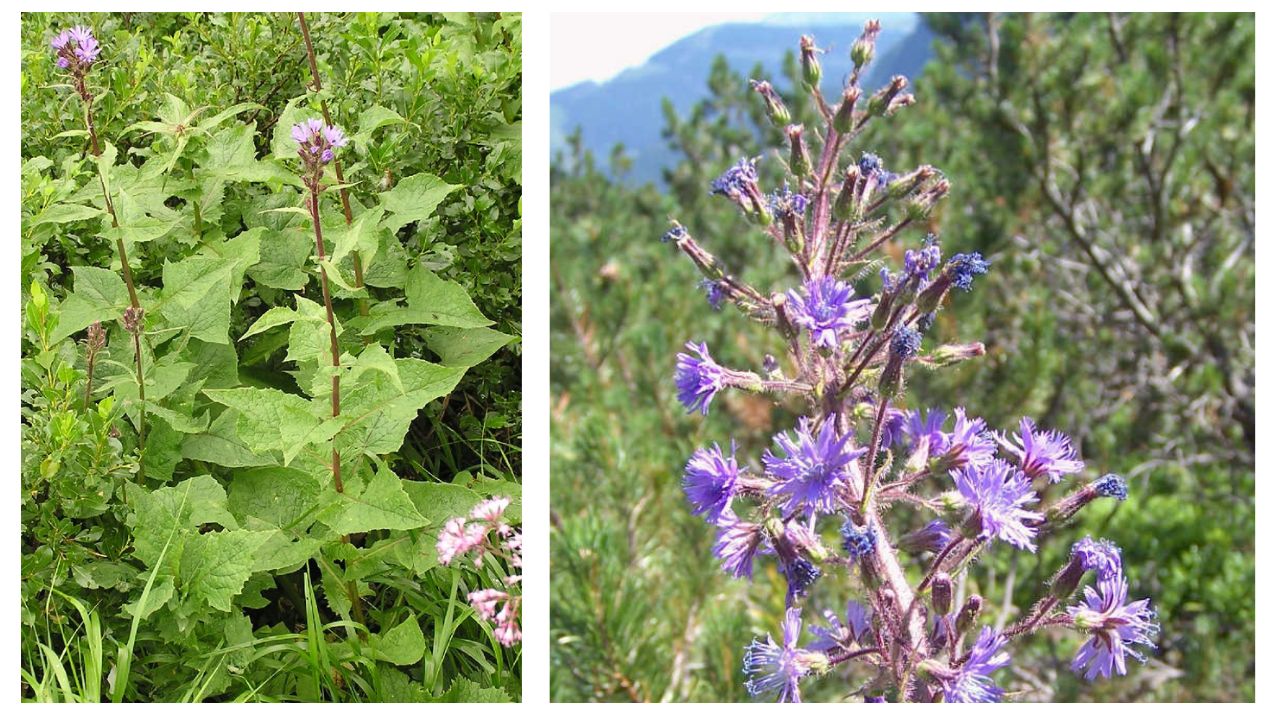
Cicerbita is a fascinating group of herbaceous plants valued for their attractive foliage, natural appearance, and, in some species, edible young leaves. Depending on the species and growing conditions, Cicerbita can behave as an annual, biennial, or perennial plant. It generally develops a leafy growth habit and may produce tall flowering stems when mature.
Growing Cicerbita successfully is not difficult when its basic requirements are understood. The most important factors are suitable soil, adequate moisture, good sunlight, and enough space for the plant to develop. Starting from seed gives gardeners an inexpensive way to establish healthy plants and observe their growth from the earliest stage.
Choosing the Right Location
Selecting a suitable planting location is one of the first steps toward healthy Cicerbita growth. Most Cicerbita plants prefer a bright position where they receive several hours of sunlight each day. Morning sunlight and some afternoon protection can be particularly useful in warmer climates because excessive heat may cause leafy growth to become stressed.
Good air circulation is also important. Avoid planting Cicerbita in a crowded location surrounded by dense vegetation or structures that restrict airflow. A site with adequate ventilation helps foliage remain healthier and reduces problems associated with prolonged dampness.
If growing Cicerbita in containers, choose a pot with drainage holes at the bottom. The container should be large enough to support the plant’s developing root system without becoming overcrowded.
Preparing the Soil for Cicerbita
Cicerbita grows best in fertile soil that drains efficiently while retaining enough moisture for steady growth. A loose, crumbly soil structure allows roots to expand easily and prevents water from remaining around the roots for extended periods.
Before planting, loosen the soil to a depth of around 20 to 30 centimeters. Remove large stones, weeds, and compacted pieces of soil. Incorporating mature compost or well-rotted organic matter can improve both fertility and soil structure.
The ideal soil should not be excessively heavy or waterlogged. If your garden soil contains a lot of clay, adding organic matter and improving drainage can make the planting area more suitable. Sandy soil can also benefit from compost because organic matter helps it retain moisture and nutrients.
Starting Cicerbita From Seed
Growing Cicerbita from seed is a straightforward method for establishing new plants. Seeds can generally be sown directly into the garden or started in trays or small containers before transplanting.
Prepare a fine seedbed and lightly moisten the soil before sowing. Scatter the seeds thinly and cover them with a very light layer of soil. Avoid burying them too deeply because young seedlings may struggle to emerge through thick soil.
Keep the planting medium consistently moist but never saturated. Germination time can vary according to species, temperature, seed freshness, and growing conditions. Once seedlings emerge, provide plenty of light so they develop strong stems and healthy leaves.
If starting seeds indoors, gradually acclimate young plants to outdoor conditions before moving them permanently into the garden. This reduces transplant stress and helps seedlings adjust to sunlight and changing temperatures.
Watering Cicerbita Correctly
Consistent watering is important during establishment and periods of active leafy growth. Young plants have relatively small root systems and can dry out quickly, particularly in warm weather.
Water when the upper layer of soil begins to feel slightly dry. Give the plants a thorough watering so moisture reaches the deeper root zone rather than applying small amounts frequently. The exact watering schedule depends on temperature, soil type, rainfall, and whether the plant is growing in a container or directly in the ground.
Avoid keeping the soil constantly saturated. Excess water can reduce oxygen around the roots and create unfavorable conditions for root problems. Container-grown plants may require more frequent watering because pots dry out faster than garden beds.
Providing the Right Amount of Sunlight
Light plays an important role in producing strong, vigorous Cicerbita plants. A bright location encourages healthy leaf development and helps plants maintain a compact, attractive form.
In mild conditions, Cicerbita can usually tolerate substantial sunlight. In very hot weather, however, intense afternoon sun may increase water loss and cause foliage to wilt. If this happens, a location with morning sun and partial afternoon shade can provide a better growing environment.
Plants grown indoors or in low-light areas may become weak and elongated. If seedlings begin stretching toward a window, move them to a brighter position or provide suitable supplemental lighting.
Feeding and Fertilizing Cicerbita
Cicerbita generally benefits from fertile soil rather than excessive fertilization. A good layer of compost incorporated before planting can provide a steady supply of nutrients while improving the soil at the same time.
During active growth, plants that appear pale or slow-growing may benefit from a balanced fertilizer applied according to the product’s instructions. Avoid applying excessive nitrogen because very rapid, soft growth can be less resilient and may not produce the desired plant shape.
Container plants may need feeding more often because repeated watering can gradually remove nutrients from the potting medium. Use a mild, balanced fertilizer rather than applying large amounts at once.
Thinning and Transplanting Young Plants
When seedlings are large enough to handle, thin crowded plants so each one has enough room to develop. Overcrowding can lead to poor airflow, competition for nutrients, and weak growth.
If several seedlings were started in trays, transplant them carefully once they have developed a healthy root system and several true leaves. Handle seedlings by their leaves rather than pulling on delicate stems.
Water newly transplanted Cicerbita immediately and keep the soil evenly moist while the roots become established. Temporary drooping after transplanting is possible, but healthy plants should gradually recover as their roots settle into the surrounding soil.
Mulching and Weed Control
Mulching around Cicerbita can make maintenance easier. A thin layer of organic mulch helps reduce moisture loss, moderate soil temperature, and limit weed competition.
Keep mulch slightly away from the plant’s central stem to maintain good airflow and prevent excessive moisture from accumulating directly around the base. Organic materials such as composted plant matter or other suitable garden mulch can work well.
Regularly remove weeds while they are small. Weeds compete with Cicerbita for water, light, and nutrients, and removing them early is much easier than dealing with an established patch later.
Protecting Plants From Pests and Problems
Healthy Cicerbita plants are generally easier to maintain when grown under good conditions. However, tender foliage can attract common garden pests such as aphids, slugs, snails, and caterpillars.
Inspect the leaves regularly, especially the undersides and newly developing growth. Early detection makes pest management much easier. Hand removal can be effective for larger visible pests, while maintaining clean growing conditions and good airflow can reduce some problems.
Yellowing leaves, wilting, or slow growth may indicate watering problems, poor drainage, inadequate nutrition, or unsuitable growing conditions. Instead of immediately adding fertilizer or water, examine the soil and overall environment first.
Pruning and General Plant Maintenance
Routine pruning is usually limited for Cicerbita. Remove damaged, yellow, or unhealthy leaves to keep the plant tidy and improve airflow. If plants become crowded, selective removal of older foliage can also help maintain a healthier appearance.
Flowering stems may develop as the plant matures. Gardeners growing Cicerbita primarily for foliage can remove flowering stems when they appear if they want to encourage continued vegetative growth. Those interested in collecting seed should allow flowers to mature instead.
Use clean, sharp garden scissors or pruners when cutting plant material. Avoid damaging the central growing point unless pruning is specifically intended.
Harvesting Cicerbita
The timing and method of harvesting depend on the Cicerbita species and how the plant is being grown. For leafy types, young and tender leaves are generally preferred when the plant is grown for culinary use.
Harvest only healthy, correctly identified plant material. Pick individual outer leaves rather than removing the entire plant when you want continued growth. Harvesting lightly and regularly can allow the plant to keep producing new foliage.
If growing Cicerbita mainly as an ornamental or wild-looking garden plant, harvesting may not be necessary. Instead, allow the plant to complete its natural growth cycle and flower.
Collecting Seeds for Future Plants
Gardeners who want to propagate Cicerbita can allow mature flowers to develop seeds. Once seed heads have fully matured and begun to dry, collect them carefully before the seeds disperse naturally.
Dry collected seeds thoroughly in a cool, dry location before storing them. Place them in a labeled container or envelope and keep them somewhere cool and dry. Proper storage can help maintain seed quality for the next growing season.
Because different Cicerbita species can vary considerably, always make sure the plant has been correctly identified before collecting or consuming any part of it.
Seasonal Cicerbita Care
Cicerbita care changes with the seasons. During the active growing period, concentrate on watering, weed control, feeding when necessary, and monitoring the foliage.
In cooler periods, growth may slow naturally. Reduce watering when the soil remains damp for longer periods, but do not allow container plants to become completely dry for extended periods.
In areas with harsh weather, provide appropriate protection based on the particular species being grown. Some Cicerbita types are naturally adapted to cooler conditions, while others may respond better to protection from extreme heat or severe cold.
Common Growing Mistakes to Avoid
One of the most common mistakes is overwatering. Cicerbita appreciates moisture but does not benefit from permanently soggy soil. Another frequent problem is planting seedlings too closely together, which can reduce airflow and encourage weak growth.
Poor light can also result in thin, stretched plants. Likewise, excessive fertilizer is unnecessary when the soil is already fertile.
Finally, avoid harvesting or consuming a Cicerbita plant unless you are certain of its identity and that the particular species is suitable for consumption. Botanical identification is especially important because unrelated wild plants can look similar.
Enjoying Healthy Cicerbita Growth
Growing Cicerbita from seed provides an enjoyable way to establish a distinctive plant while learning how soil, moisture, sunlight, and seasonal conditions influence development. Start with healthy seed, prepare fertile well-drained soil, provide suitable light, and maintain consistent but moderate moisture.
With regular observation and simple maintenance, Cicerbita can develop into a vigorous and attractive plant. Whether your goal is leafy growth, flowering interest, seed collection, or simply adding diversity to a garden, paying attention to its basic growing requirements is the key to keeping plants healthy from germination through maturity.
