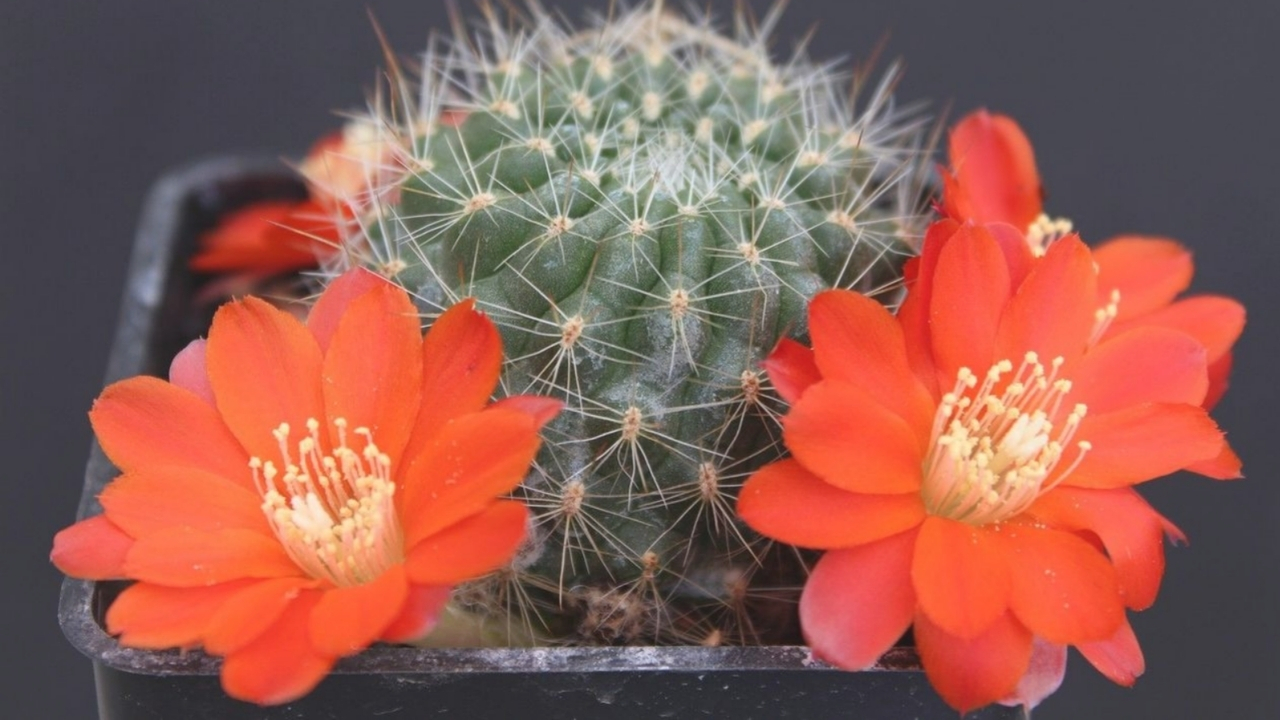
Bolivicactus is a fascinating cactus variety admired for its compact growth, textured surface, and striking appearance. Native to dry and rocky regions of South America, this cactus thrives in warm climates with plenty of sunlight and minimal moisture. Many plant lovers appreciate Bolivicactus because it combines beauty with relatively low maintenance, making it suitable for beginners as well as experienced succulent collectors.
The plant usually grows in rounded or column-like forms depending on the species and age. Its body may display ribbed patterns, soft spines, or clusters of offsets that add visual interest. During the blooming season, healthy plants can produce colorful flowers that contrast beautifully against the cactus body. These flowers often appear in shades of yellow, pink, red, or orange and can become a major highlight of the plant.
Bolivicactus adapts well to indoor containers and outdoor desert-style gardens. With proper care and attention, it can remain healthy for many years while developing a more mature and attractive structure over time.
Choosing the Right Pot and Soil
One of the most important factors in successful Bolivicactus care is using the correct soil and container. Since cacti naturally grow in dry conditions, the roots are extremely sensitive to excessive moisture. Poor drainage can quickly lead to root rot and fungal problems.
A terracotta pot is often the best choice because it allows excess moisture to evaporate more efficiently than plastic containers. The pot should always include drainage holes at the bottom to prevent water accumulation around the roots.
For soil, a fast-draining cactus mix works best. You can also create your own blend by combining regular potting soil with coarse sand, pumice, or perlite. This improves airflow and helps the roots remain dry between watering sessions.
Avoid using heavy garden soil because it tends to hold moisture for too long. A loose, gritty growing medium creates conditions similar to the plant’s natural environment and greatly improves long-term health.
Ideal Light Requirements
Bolivicactus thrives in bright light and generally prefers several hours of direct sunlight every day. Outdoor plants usually perform best in sunny locations where they receive strong morning or afternoon light. Indoors, placing the cactus near a south-facing or west-facing window can help maintain healthy growth.
Insufficient sunlight often causes stretching, weak growth, and faded coloration. The cactus may begin leaning toward the light source or develop unusually elongated sections. These signs indicate the plant needs stronger light exposure.
Although Bolivicactus enjoys sunlight, extremely intense summer heat can occasionally scorch the plant, especially if it has recently been moved from a shaded area. Gradually introducing the cactus to stronger sunlight helps prevent stress and sunburn.
If natural light indoors is limited, grow lights can provide additional support. Full-spectrum LED grow lights are especially useful during winter months or in apartments with low sunlight exposure.
Proper Watering Techniques
Watering is one of the most misunderstood aspects of cactus care. Bolivicactus stores water inside its thick stem, allowing it to survive long dry periods. Because of this natural adaptation, frequent watering is unnecessary and often harmful.
The soil should dry out completely before watering again. During the active growing season in spring and summer, watering every two to three weeks may be sufficient depending on temperature and humidity. In cooler months, watering should be reduced significantly because the plant enters a semi-dormant state.
When watering, soak the soil thoroughly until excess water drains out of the bottom of the pot. Avoid giving small amounts of water frequently, as this encourages shallow root growth and increases moisture problems.
Wrinkling or slight softness may indicate dehydration, while yellowing, mushy tissue, or black spots often suggest overwatering. Learning to observe these signs helps maintain a proper watering routine.
Temperature and Humidity Needs
Bolivicactus prefers warm temperatures and low humidity. Most varieties grow well between 65°F and 85°F during the growing season. Warm, dry air closely matches the cactus’s native habitat and supports healthy development.
During winter, cooler conditions can encourage dormancy and improve flowering potential in mature plants. However, temperatures should generally remain above 40°F to avoid cold damage. Frost exposure can severely injure the cactus and sometimes kill it entirely.
Indoor humidity is usually acceptable for Bolivicactus, especially in air-conditioned or well-ventilated rooms. High humidity combined with poor airflow may encourage fungal diseases, so proper ventilation is important.
Outdoor growers in humid climates should pay extra attention to drainage and airflow around the plant. Keeping the cactus sheltered from prolonged rain can also prevent moisture-related issues.
Fertilizing for Healthy Growth
Although Bolivicactus is not a heavy feeder, occasional fertilization can support stronger growth and flowering. A balanced cactus fertilizer diluted to half strength is usually enough during the active growing season.
Feeding once a month during spring and summer typically provides sufficient nutrients. Fertilizers with slightly higher phosphorus content may encourage better flowering performance.
Avoid fertilizing during winter dormancy because the plant is not actively growing at that time. Excess fertilizer can cause weak, unnatural growth and may damage sensitive roots.
Organic options such as compost tea or diluted worm castings can also be used carefully in small amounts. Regardless of the fertilizer type, moderation is key when caring for cacti.
How to Propagate Bolivicactus
Propagation is one of the most rewarding parts of growing Bolivicactus. Many varieties naturally produce offsets or pups around the base of the main plant, making propagation relatively simple.
To propagate using offsets, carefully remove a healthy pup with a clean knife or by gently twisting it away from the parent plant. Allow the cutting to dry for several days until a callus forms over the cut surface. This step is important because planting fresh cuttings immediately can lead to rot.
Once callused, place the offset in dry cactus soil and wait a few days before lightly watering. Roots usually begin forming within a few weeks under warm conditions.
Bolivicactus can also be grown from seeds, although this method requires more patience. Seeds should be planted in a well-draining soil mix and kept lightly moist until germination occurs. Warm temperatures and bright indirect light improve success rates.
Seed-grown plants may take several years to reach maturity, but many growers enjoy observing the entire growth process from the beginning.
Common Problems and Solutions
Like most cacti, Bolivicactus is relatively resilient when grown in proper conditions. However, certain issues can still arise if environmental needs are ignored.
Overwatering remains the most common problem. Root rot caused by excessive moisture can quickly spread through the plant. Early signs include yellowing tissue, softness, and foul odors. Removing affected sections and improving drainage may save the cactus if caught early.
Pests such as mealybugs, spider mites, and scale insects occasionally attack cacti. These pests often hide in crevices or around the roots. Regular inspection helps detect infestations before they become severe. Neem oil, insecticidal soap, or rubbing alcohol applied carefully can control many common pests.
Sunburn may appear as white or brown patches on the cactus surface. Gradual light adjustment helps prevent this issue, especially when moving plants outdoors.
Etiolation, which causes stretched growth, occurs when the cactus lacks sufficient light. Increasing sunlight exposure usually prevents further distortion, although damaged growth may remain permanently altered.
Repotting and Long-Term Maintenance
Bolivicactus does not require frequent repotting because it grows relatively slowly. Repotting every two to three years is generally enough to refresh the soil and provide additional space if needed.
The best time to repot is during spring or early summer when the plant is actively growing. Carefully remove the cactus using gloves or folded newspaper to avoid spine injuries. Inspect the roots for signs of rot or damage before placing the plant into fresh soil.
After repotting, wait several days before watering to allow any disturbed roots to heal. Immediate watering can increase the risk of infection and root rot.
Long-term maintenance mainly involves monitoring light, watering, and pest conditions. Rotating indoor plants occasionally helps maintain balanced growth and prevents leaning toward one side.
Why Bolivicactus Makes an Excellent Houseplant
Bolivicactus has become increasingly popular among indoor plant enthusiasts because of its striking appearance and easy-care nature. Its ability to tolerate occasional neglect makes it especially appealing for busy plant owners.
The plant adds texture and architectural beauty to desks, windowsills, shelves, and succulent arrangements. Smaller varieties fit well in compact apartments, while larger mature specimens can become dramatic focal points in a room or garden.
Unlike many leafy houseplants, Bolivicactus requires minimal watering and generally adapts well to indoor conditions with adequate sunlight. Its slow growth also means less frequent maintenance compared to faster-growing plants.
For collectors, the diversity of shapes, spine patterns, and flower colors creates endless interest. Each plant develops its own character over time, making cactus growing a rewarding long-term hobby.
With proper care, patience, and the right environment, Bolivicactus can thrive for decades while continuing to produce healthy growth and beautiful seasonal blooms.
