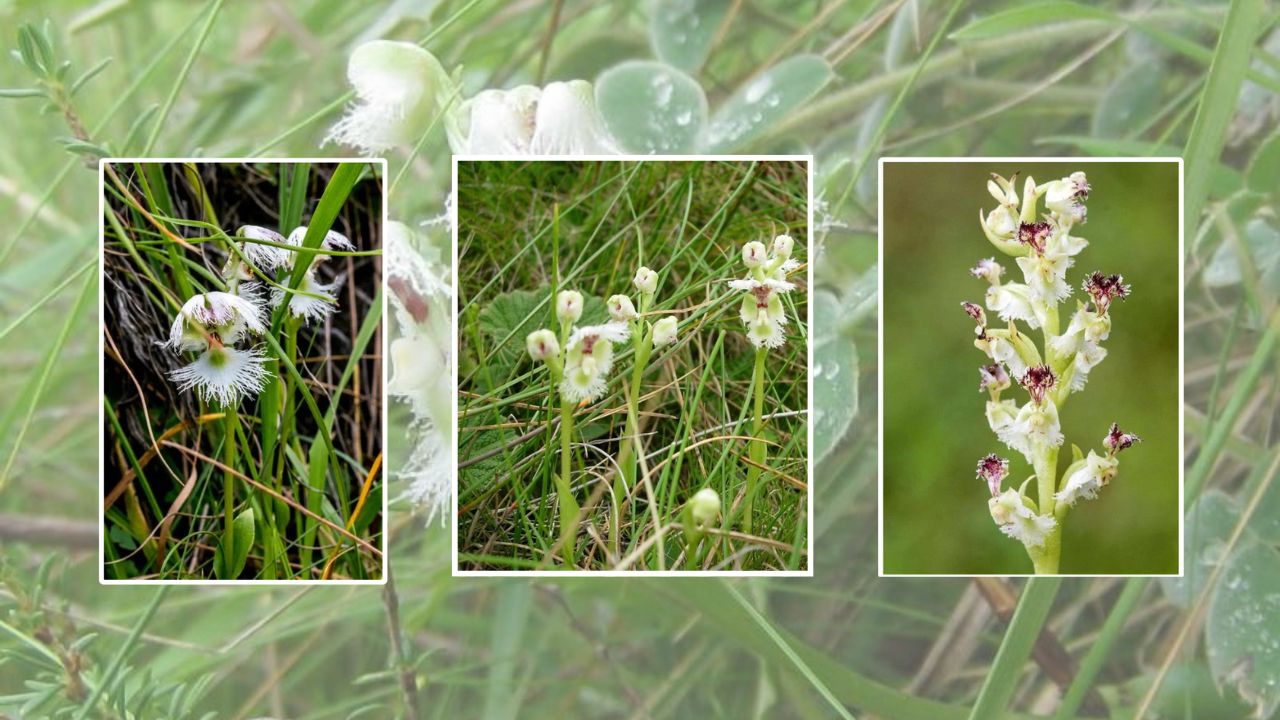
Huttonaea is a small and relatively uncommon plant genus that can be an interesting addition to a carefully maintained garden or specialized plant collection. Because Huttonaea is not as commonly cultivated as many familiar ornamental plants, successful growing depends on understanding its natural growing conditions rather than relying on a one-size-fits-all routine. Providing suitable moisture, light, air circulation, and a well-draining growing medium is especially important.
Before planting Huttonaea, it is useful to understand that uncommon plants can sometimes respond poorly to sudden changes in temperature, watering, or growing conditions. A stable environment is generally preferable to frequent adjustments. With consistent care and close observation, growers can encourage healthy foliage and steady development.
Choosing the Right Location for Huttonaea
The location you choose has a major influence on the plant’s overall health. Huttonaea should be grown in a position that provides appropriate light while protecting it from harsh environmental conditions. Bright, filtered light is generally a good starting point for plants that prefer a sheltered growing environment.
If you are growing Huttonaea indoors, place the container near a bright window where the plant receives plenty of indirect light. Avoid positioning it directly against glass where intense afternoon sunlight can cause excessive heat. A lightly shaded outdoor location can also work when temperatures and humidity are suitable.
Good air circulation is equally important. The growing area should not be completely stagnant, especially when the plant is being kept consistently moist. Gentle airflow helps the foliage remain healthy and allows excess moisture to evaporate naturally.
Preparing the Soil and Growing Medium
A suitable growing medium should provide both moisture retention and drainage. Soil that remains saturated for long periods can create conditions that encourage root problems, while extremely dry and sandy soil may not provide enough moisture for healthy growth.
A balanced mixture containing quality organic material combined with a drainage component can provide a useful foundation. The medium should remain slightly moist after watering without becoming muddy or waterlogged. Adding materials such as coarse sand, perlite, or another suitable drainage component can improve aeration.
Use a clean container with drainage holes at the bottom. These holes allow excess water to escape instead of collecting around the roots. If you are reusing an old container, clean it thoroughly before planting to reduce the possibility of carrying over pests or disease.
Planting Huttonaea
Planting Huttonaea is relatively straightforward when the growing medium and container have been prepared properly. Fill the container with the prepared medium, leaving enough space to position the plant without burying its growing point too deeply.
Place the plant carefully into the container and gently spread or position the roots. Add soil around the root system and lightly firm the surface. Avoid compacting the medium because roots need access to air as well as water.
After planting, give the medium a moderate watering so that it settles around the roots. Allow excess water to drain completely. During the first few weeks, pay particular attention to moisture levels because newly established plants can be more sensitive to both excessive dryness and excessive watering.
Understanding Light Requirements
Light plays an important role in maintaining healthy growth. Huttonaea should receive sufficient brightness to support photosynthesis, but excessive direct sunlight may be stressful depending on the growing environment.
Bright indirect light is a practical choice for indoor cultivation. If the leaves appear pale or growth becomes weak and stretched, the plant may need more light. On the other hand, scorched, faded, or unusually dry-looking foliage can indicate that the plant is receiving too much intense direct sunlight.
When moving Huttonaea from a shaded location into brighter conditions, make the transition gradually. Sudden exposure to strong sunlight can cause leaf damage. Increasing light levels slowly gives the plant time to adjust.
Watering Huttonaea Correctly
Watering is one of the most important parts of Huttonaea care. Instead of following a rigid calendar, check the growing medium regularly and water according to its condition.
When the upper portion of the medium begins to dry, water thoroughly enough to moisten the root zone. Allow excess water to drain from the container before returning it to its normal position. Do not allow the pot to sit in standing water.
The exact watering frequency will vary according to temperature, humidity, pot size, soil composition, and light exposure. During warm periods, the plant may require water more frequently, while cooler conditions generally reduce water requirements.
Consistently soggy soil should be avoided. At the same time, allowing the plant to become severely dry for extended periods can place unnecessary stress on the roots and foliage.
Maintaining Temperature and Humidity
Stable environmental conditions can help Huttonaea establish and grow more reliably. Avoid placing the plant close to heaters, air conditioners, cold drafts, or other sources of sudden temperature changes.
Moderate humidity can be beneficial, particularly when the surrounding air becomes very dry. If the plant is grown indoors, grouping plants together can sometimes create a slightly more humid local environment. However, humidity should always be combined with adequate air circulation.
Avoid keeping the foliage constantly wet. High moisture combined with poor airflow can create an environment where fungal problems become more likely.
Feeding and Fertilizing Huttonaea
Huttonaea generally benefits from a sensible nutrient program during active growth. A balanced, diluted fertilizer can be applied according to the requirements of the plant and the instructions provided with the fertilizer.
It is better to avoid excessive fertilization. Too much fertilizer can build up salts in the growing medium and potentially damage the roots. If the plant is newly transplanted, allow it time to settle before beginning a regular feeding routine.
Fertilization can also be reduced when growth naturally slows. Healthy roots, appropriate light, and proper watering are more important than heavy feeding.
Pruning and General Maintenance
Regular maintenance helps keep Huttonaea looking healthy and allows you to notice potential problems early. Remove damaged, dead, or severely deteriorated plant material using clean cutting tools.
Avoid unnecessary pruning simply to reshape the plant. Removing healthy foliage reduces the plant’s ability to produce energy. Instead, focus on removing material that is genuinely damaged or no longer useful.
Occasionally inspect the undersides of leaves and the stems for signs of pests. Early detection makes pest management considerably easier than waiting until an infestation becomes widespread.
Propagating Huttonaea
Propagation methods can depend on the particular Huttonaea species and the availability of viable plant material. Where suitable propagation material is available, growers should use healthy, disease-free portions of the plant.
Propagation generally requires a clean growing medium, appropriate moisture, suitable temperature, and indirect light. The medium should remain adequately moist but never permanently saturated.
Newly propagated plants should be protected from harsh sunlight and extreme temperature changes while they develop. Once new growth becomes established, the young plants can gradually be moved toward their normal growing conditions.
Because Huttonaea is not among the most commonly cultivated plants, propagation may require patience. Avoid disturbing developing roots unnecessarily, as repeated handling can slow establishment.
Common Huttonaea Growing Problems
Several common cultivation problems can usually be traced back to environmental conditions. Yellowing leaves may occur when roots remain excessively wet, although nutrient or light-related issues can also contribute. Wilting can result from insufficient moisture, damaged roots, excessive heat, or other environmental stress.
Brown or scorched leaf edges may indicate excessive sunlight or dry conditions. Weak, elongated growth can suggest inadequate light.
Pest problems should also be addressed early. Check the plant regularly and isolate it from other plants if a significant infestation is discovered. Improving airflow and correcting watering practices can also help create a healthier growing environment.
Repotting Huttonaea
Repotting becomes necessary when the plant has outgrown its container or the growing medium has deteriorated. Choose a new pot only slightly larger than the existing one rather than immediately moving the plant into a very large container.
A container that is excessively large can hold more moisture than the root system can use, increasing the risk of overly wet soil. Prepare fresh growing medium before carefully removing the plant from its existing container.
Handle the roots gently and avoid unnecessary damage. After repotting, water moderately and keep the plant in a stable location while it adjusts.
Seasonal Huttonaea Care
Huttonaea’s needs can change throughout the year. During periods of active growth, monitor moisture, light, and nutrients more frequently. Warmer conditions may increase water requirements, while cooler conditions generally slow growth.
During periods of reduced growth, avoid automatically maintaining the same watering and fertilizing schedule used during warmer conditions. Allow the plant’s actual moisture needs and growth rate to guide your routine.
Seasonal changes in indoor environments can also affect plants. Heating, air conditioning, shorter daylight hours, and changes in humidity can all influence growth.
Growing Huttonaea Successfully at Home
Growing Huttonaea successfully is mainly about creating a stable environment rather than following an overly complicated care routine. Start with a well-draining growing medium, an appropriate container, suitable light, and careful watering. From there, observe how the plant responds and make gradual adjustments when necessary.
Avoid extremes such as permanently wet soil, prolonged drought, intense unfiltered sunlight, or sudden environmental changes. Regular observation is one of the most useful tools for caring for an uncommon plant.
With patience and consistent attention to its growing conditions, Huttonaea can become a rewarding addition to a specialized home plant collection. The key is to understand the plant’s response to moisture, light, temperature, and airflow and to maintain a balanced environment throughout the growing cycle.
